


What are you looking for?
Explore all WEIMA solutions
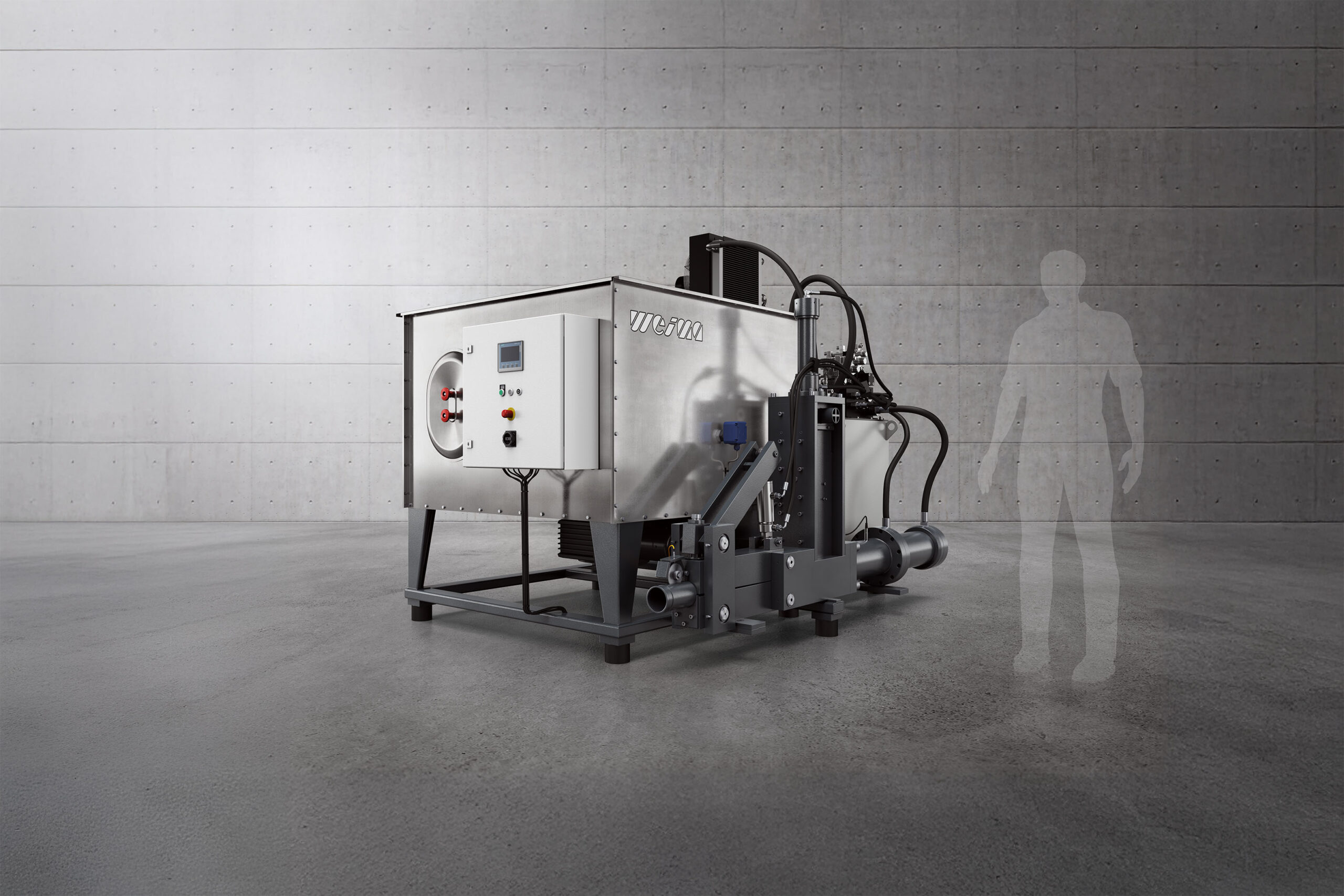
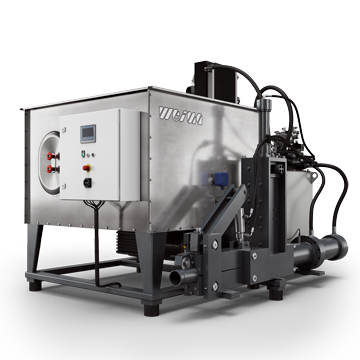
The WEIMA TH 914 / 920 S briquetting press is designed for the industrial compaction of large quantities of loose production waste. It is primarily used in woodworking businesses to process wood shavings or sawdust, but is also suitable for paper dust, plastic shavings, polystyrene, foam materials or light metal shavings. Within WEIMA’s TH Standard S series, the machine is designed for continuous operation with particularly high material throughput.
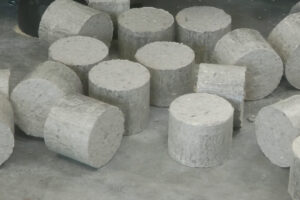
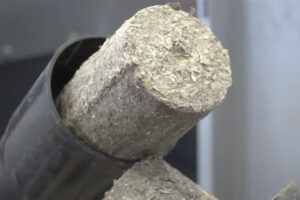
The hydraulic pressing process compacts loose waste materials into dimensionally stable briquettes, thereby significantly reducing their volume. This allows for better organisation of material flows within the plant and enables waste materials to be stored, transported or recycled for energy more efficiently. The modular design allows for flexible adaptation to different production environments, whilst the robust construction supports stable automatic operation.
Below you will find an overview of the technical details, equipment options and integration possibilities for the respective machine.
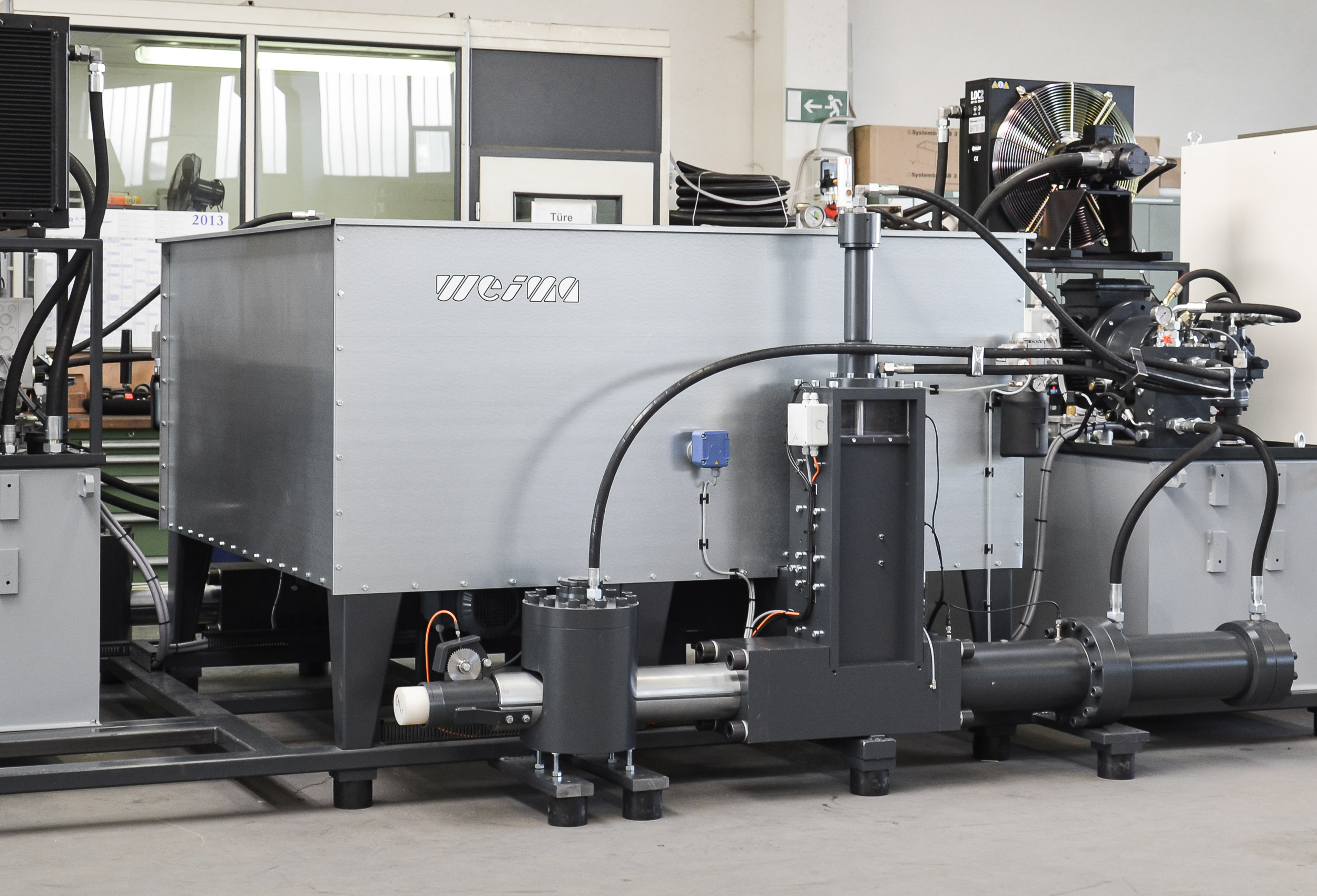
Continuous flow of material thanks to a large-capacity material hopper
A large material hopper ensures a steady supply of raw material to the briquetting press. The galvanised hopper system can be supplied in dimensions of 1,400 × 1,400 mm or 2,000 × 2,000 mm, depending on the required buffer volume. An integrated agitator and a discharge screw ensure continuous material movement and reliable feeding to the pressing mechanism. Level monitoring enables automated operation of the plant and supports stable production processes without manual intervention.

Reliable process control thanks to Siemens PLC technology
The machine control system is based on an industrial Siemens PLC with an integrated touchscreen display. All control and switching components are assembled and coordinated at WEIMA’s manufacturing facilities. The PLC precisely coordinates the material feed, pressing cycles and hydraulic system. This ensures stable plant operation and guarantees consistent briquette quality over long production cycles.
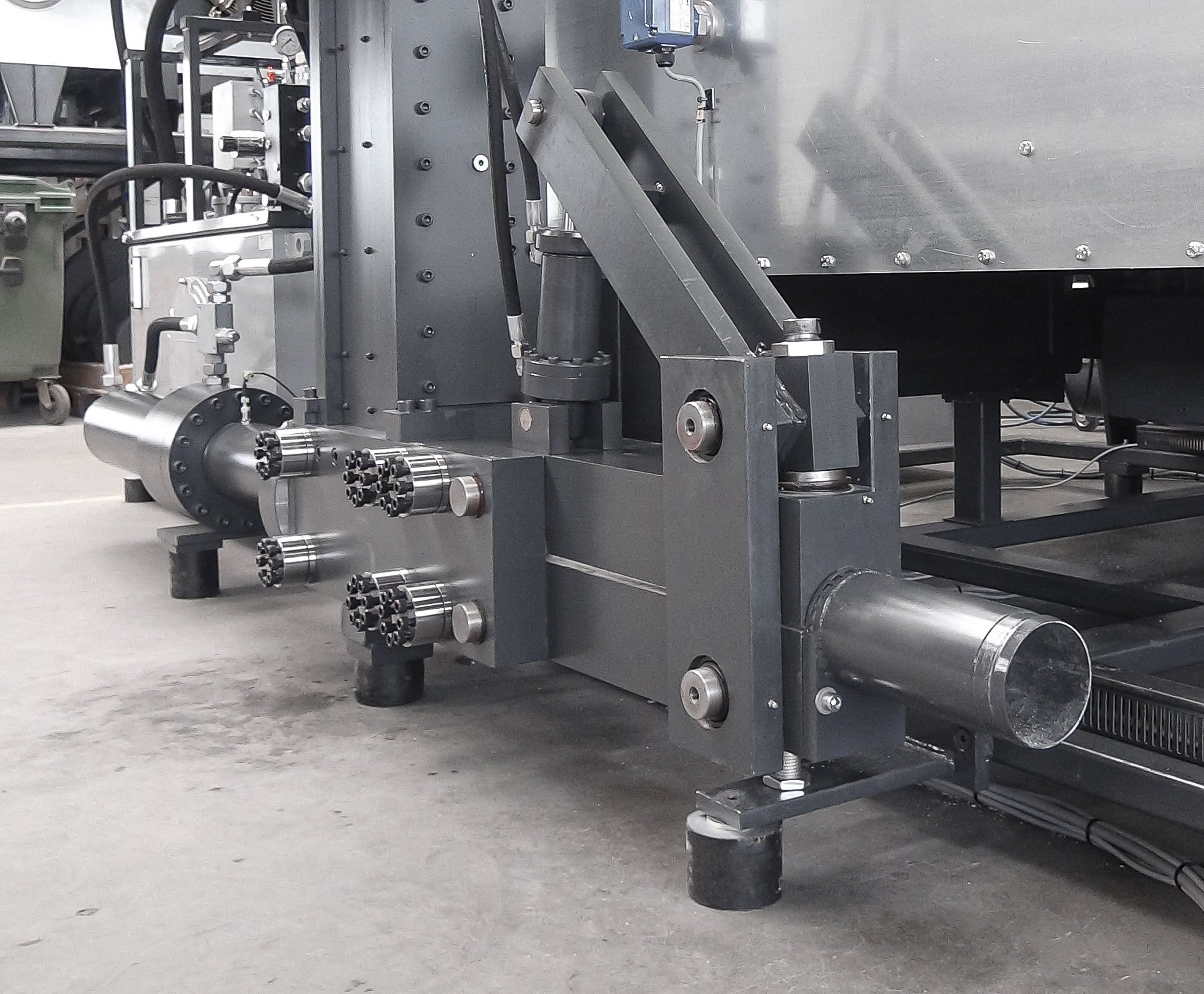
Flexible integration thanks to a modular machine system
The TH Standard S Series features a modular machine design. Components such as the material hopper, pressing unit and hydraulic tank can be positioned individually depending on the plant layout. This so-called Vario design allows the machine to be adapted to existing production environments and conveyor systems. As a result, the briquetting press can be efficiently integrated into existing material flows and flexibly expanded during subsequent plant optimisations.
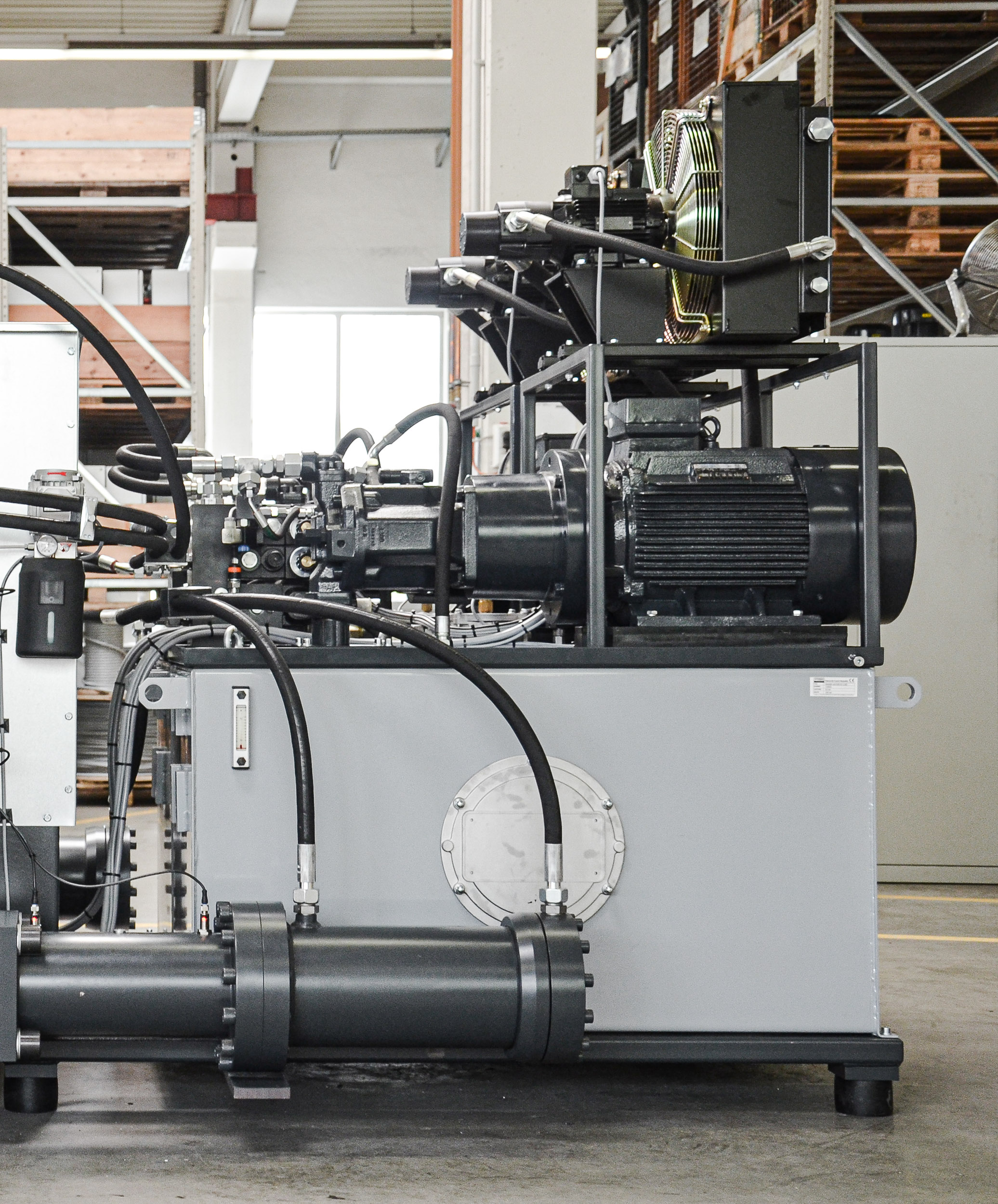
High pressing capacity thanks to a generously sized hydraulic unit
A high-performance hydraulic unit forms the central drive system of the briquetting press. The generously sized hydraulic tank slows down the heating of the hydraulic oil and enables longer operating periods with stable pressing cycles. At the same time, the system is continuously monitored for temperature. This combination enables fast pressing cycles and supports a consistently high throughput during continuous industrial operation.
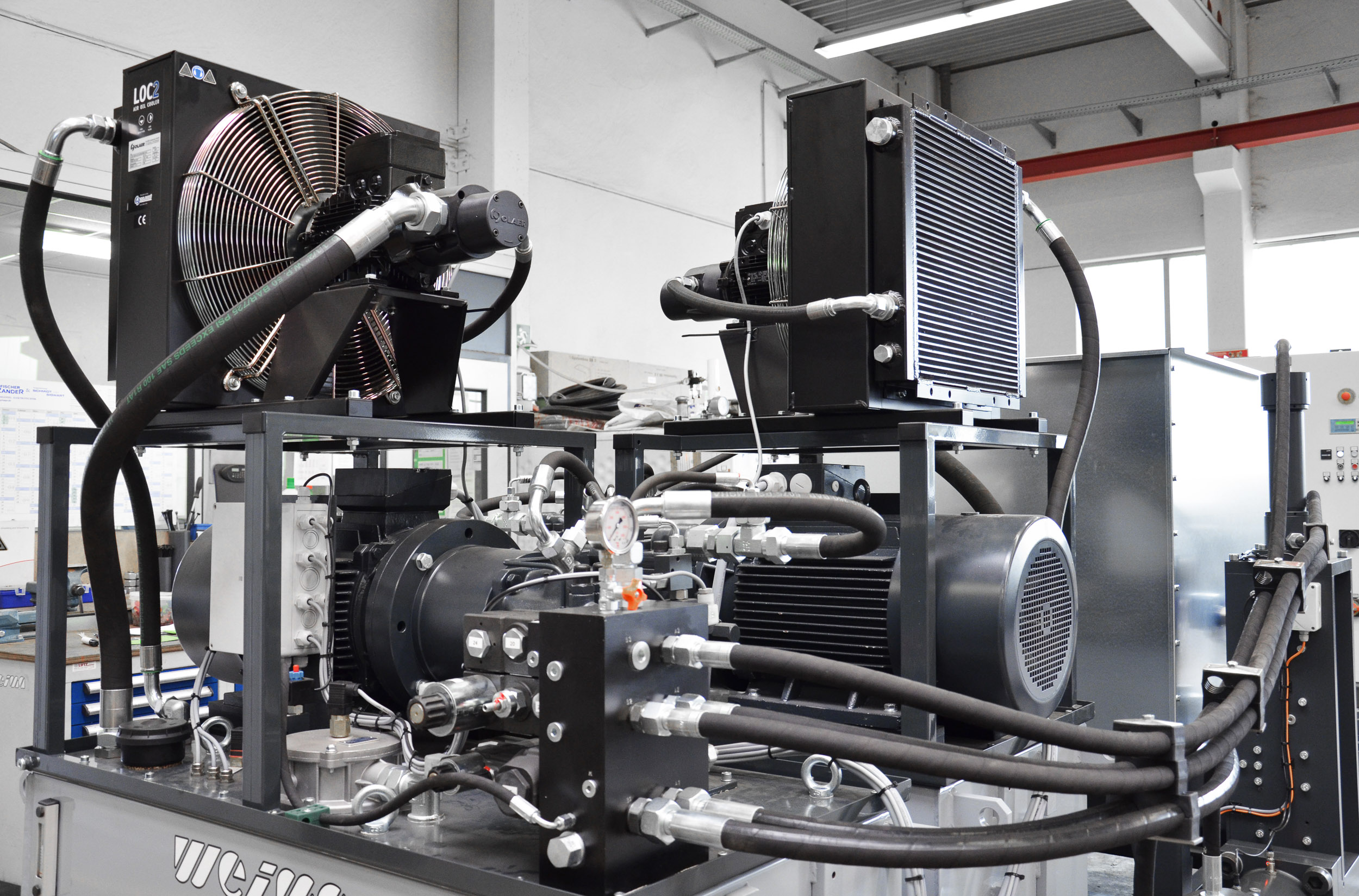
Reliable multi-shift operation thanks to integrated hydraulic oil cooling
The TH Standard S Series briquetting presses are fitted with hydraulic oil cooling as standard. The cooling system stabilises the oil temperature during operation and prevents thermal overload of the hydraulic components. This enables the system to be used in automated multi-shift operation and ensures high process stability even with a continuous feed of material.
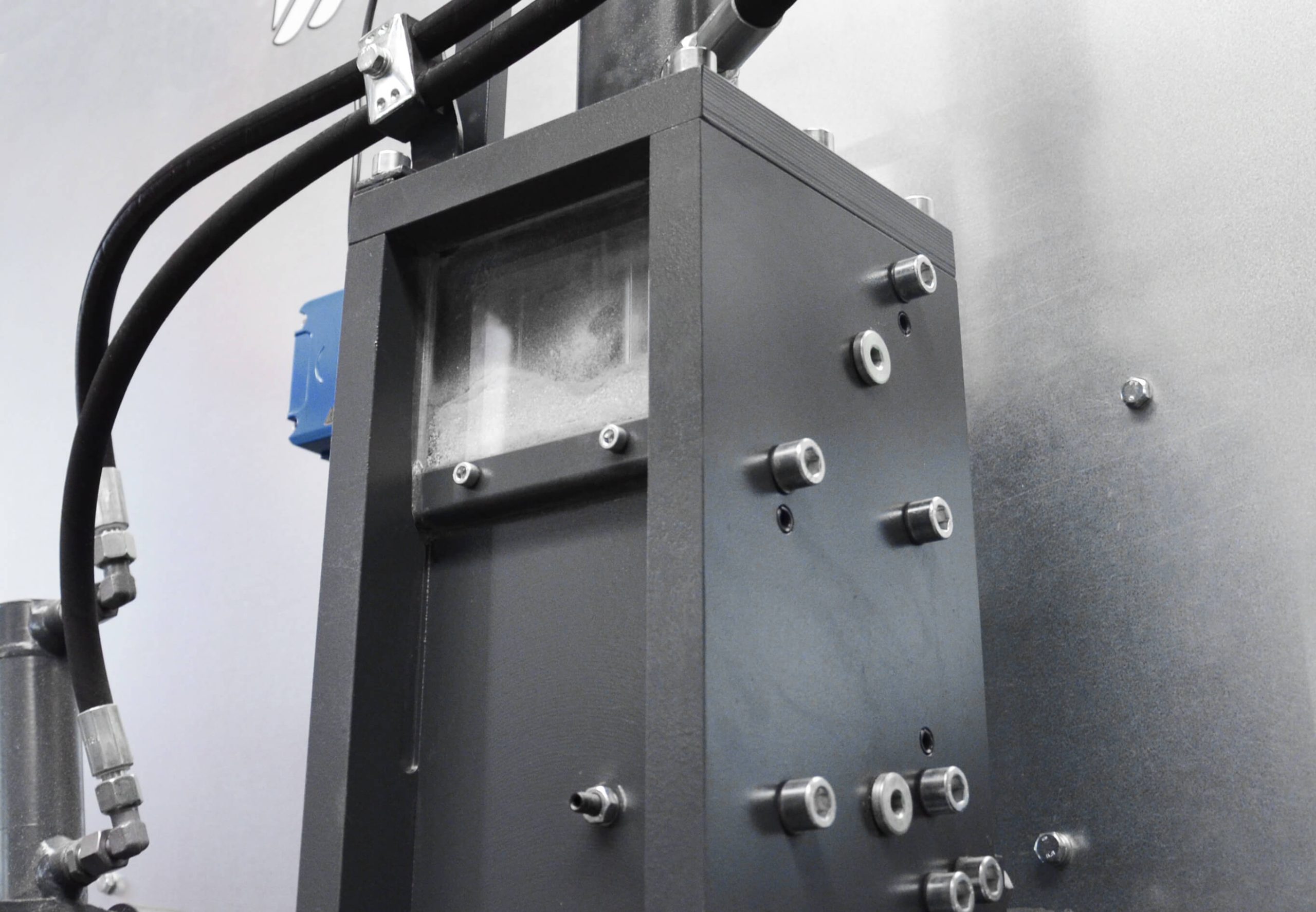
Dust-reduced briquetting thanks to a closed pressing system
The briquetting process takes place without the use of binders or additives. The enclosed pressing system also reduces dust emissions during the pressing process. This improves health and safety in the production environment and helps to keep the production halls clean. The resulting briquettes can also be easily used for energy recovery.
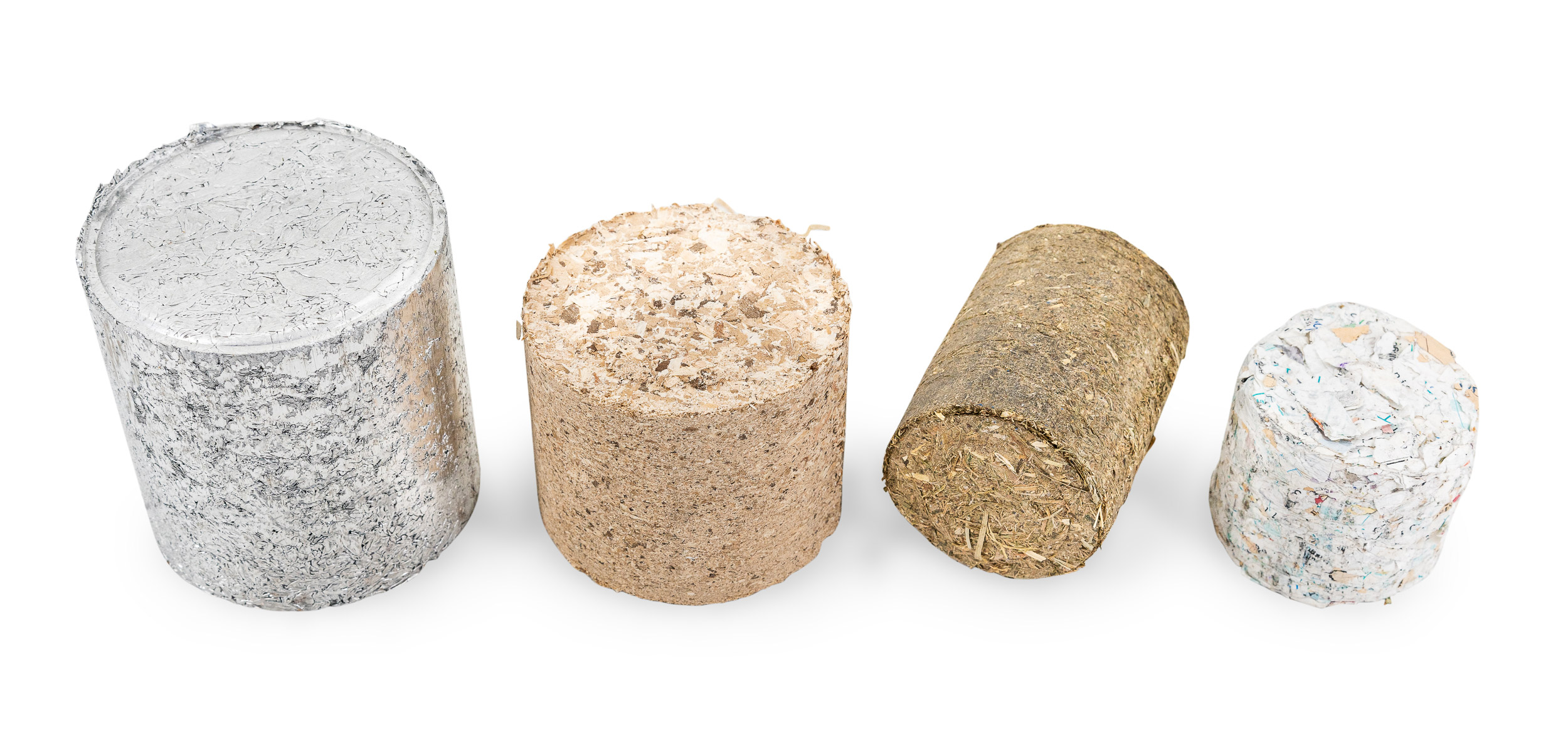
High pressing force thanks to a robust toggle mechanism
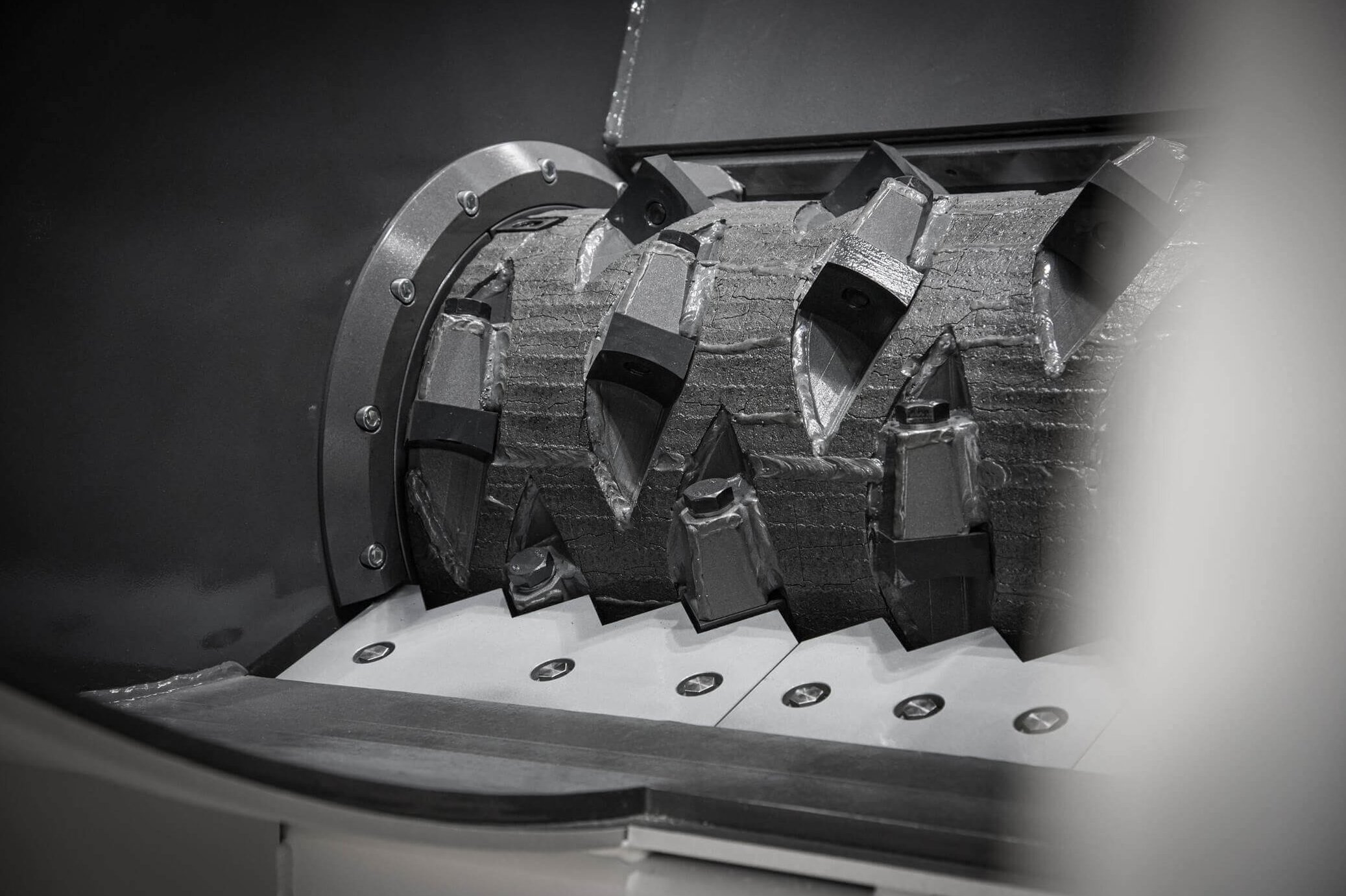
The pressing mechanism utilises a toggle lever mechanism that generates a particularly high compaction force. Compared to conventional pressing systems, pressing forces of up to 1,250 kg/cm² can be achieved. This design enables the material to be reliably compacted into dimensionally stable briquettes. At the same time, the robust mechanism reduces wear and tear and minimises maintenance requirements in industrial operation.
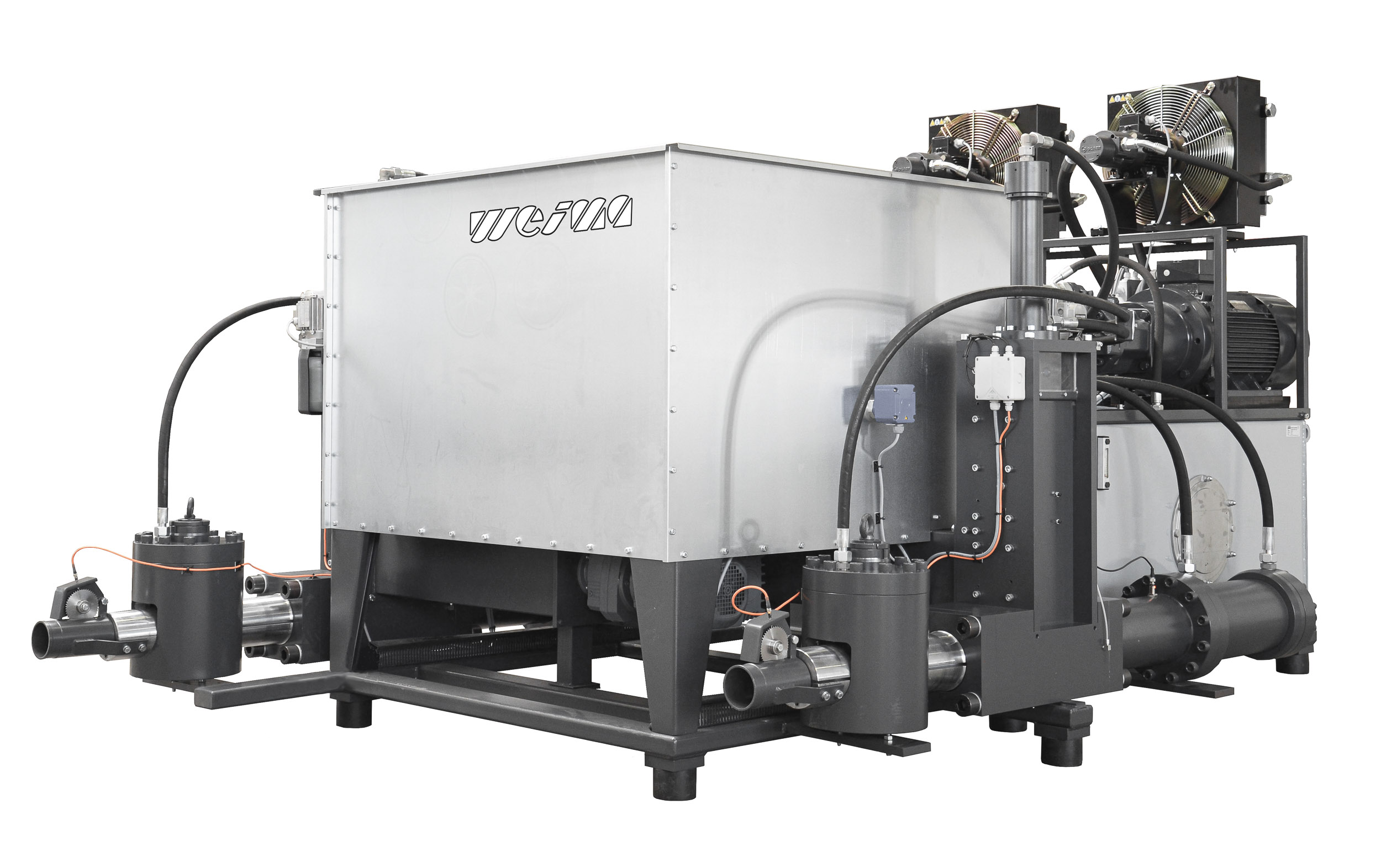
Higher throughput thanks to the optional multi-press mechanism
For applications involving particularly large volumes of material, the briquetting press can be fitted with additional screw conveyors and pressing mechanisms. Variants such as the Duo, Trio or Quattro models significantly increase the system’s overall capacity. As the material hopper remains unchanged, no additional floor space is required. This allows throughput to be increased without making any significant changes to the system’s structure.