Drainage Presses
C.200
Dewatering press for metal shavings, fine plastic particles and grinding sludge

C.200 - WEIMA Maschinenbau

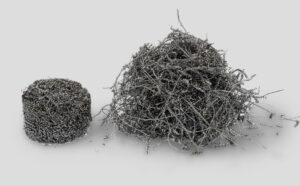
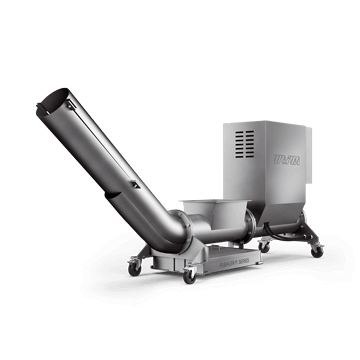
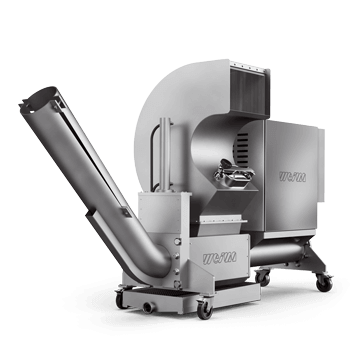
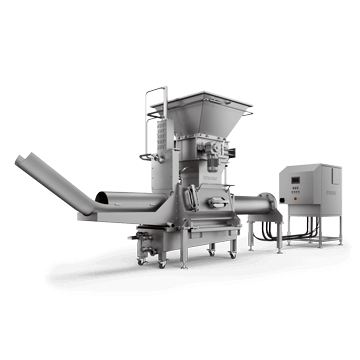
The WEIMA C.200 dewatering press is a high-performance hydraulic press designed for the efficient drying and volume reduction of metal swarf, grinding sludge and damp plastic waste. In metalworking, it compresses chips from turning, milling or drilling into compact bales with a diameter of 200 mm – entirely without a fault-prone screw conveyor. Coolants, emulsions and oils are reliably extracted and returned to the production cycle. The result is low-drip briquettes, reduced storage and disposal costs, and the sustainable recovery of recyclable materials.

In plastics recycling, too, the C.200 ensures cost-effective process optimisation: wet fine fractions and rejects from shredding and washing processes are effectively dewatered, significantly reducing the weight of the waste. The press separates liquid content from the material stream in a single efficient step, producing highly dewatered, transportable bales. This significantly reduces disposal costs and provides an environmentally friendly, cost-effective solution for recycling companies.

Technical details and application examples are presented further down this page.

C.200
Product features

Suitable for a wide range of waste materials from machining operations

Machining processes such as turning, milling, sawing or drilling produce large quantities of swarf. The C-Series presses reliably and efficiently dewater and compact all common types of metal swarf – including aluminium, steel, brass, copper and bronze. Plastic chips can also be pressed to specifically separate any adhering liquids. This transforms bulky, damp piles of chips into compact, transportable briquettes. Extracted cooling lubricants, oils, emulsions or water can be returned to the production cycle or disposed of properly.

Thanks to the conical discharge pipe

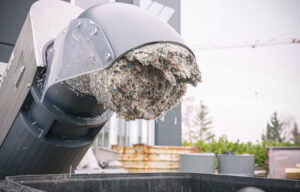
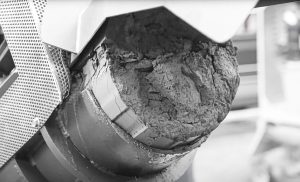
On the conical discharge pipe, two movable half-shells – closed either by disc springs or hydraulically – provide the necessary back pressure. This compresses the chips into compact briquettes with a diameter of 200 mm.

Direct positioning beneath the chip conveyor via height-adjustable machine feet

To ensure simple and straightforward integration into existing machining systems, the feed height of the compact WEIMA chip compactor can be flexibly adjusted to suit the specific conditions using adjustable machine feet.
High resistance to jamming and blockages due to the absence of a screw conveyor

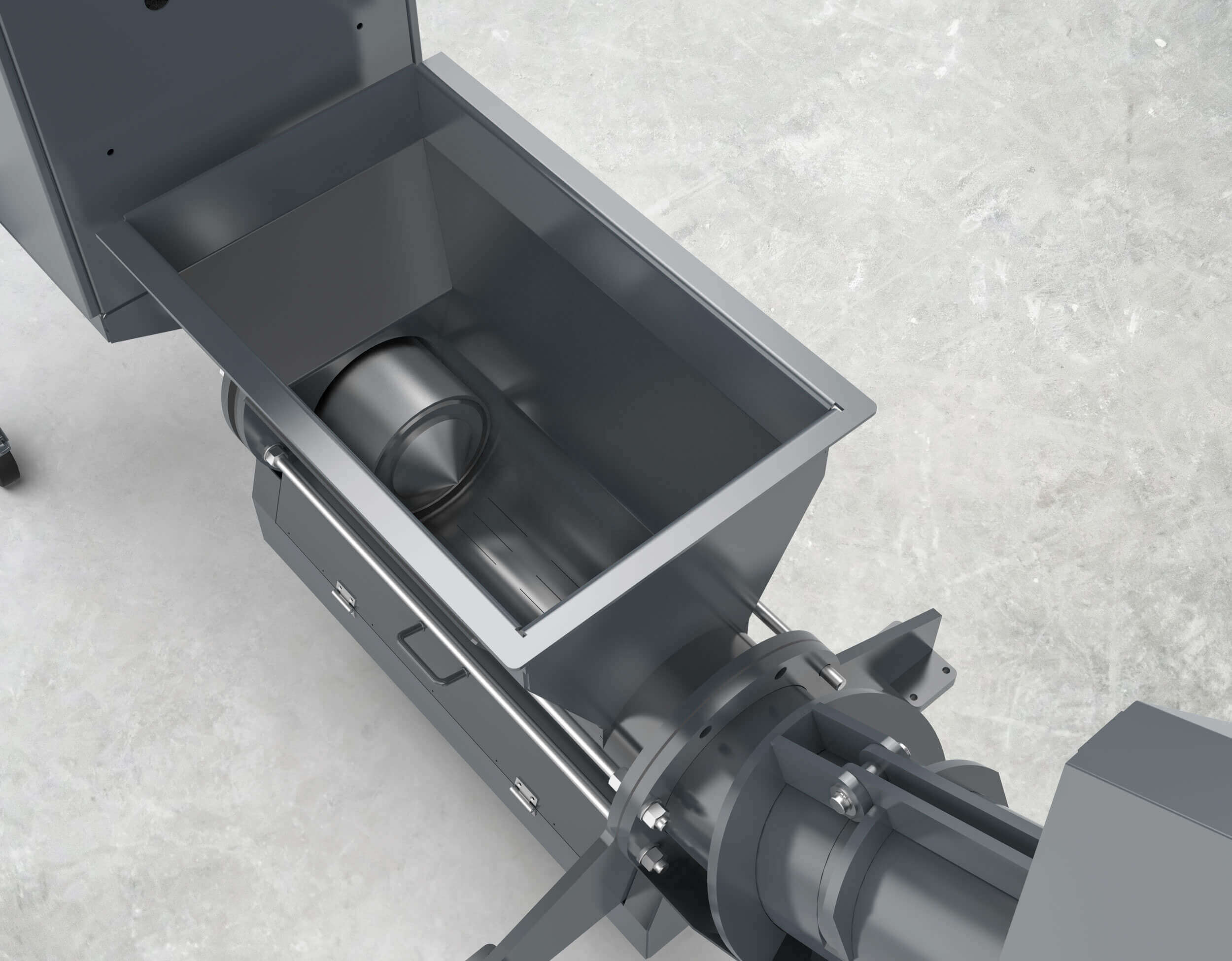
The dewatering press operates using a powerful hydraulic ram and, thanks to its generously sized pressing chamber, requires no screw conveyor, separate pre-compaction stage or additional moving parts. This reliably prevents material jams and bridging. Even contaminants and long, tangled chips can be pressed without any problems.

Recovery of expensive cooling lubricants and emulsions using a hydraulic pressing process

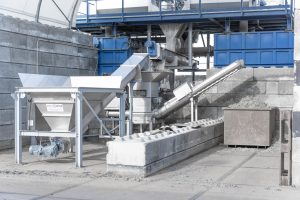
Chips are fed into the pressing chamber via a chip conveyor through a large hopper. There, they are compressed and dewatered by a horizontally movable press cylinder and ram. The extracted liquid is collected and filtered in a sump beneath the pressing channel. This allows the emulsion and cooling lubricants to be returned directly to the machining centre.

Hassle-free automatic operation thanks to sensors in the hopper

Integrated level sensors in the feed hopper enable fully automatic operation of the dewatering press. As soon as a defined fill level is reached, the machine starts automatically. If the fill level falls below the minimum, it automatically switches to standby mode to prevent unnecessary wear and tear on the components.
Greater flexibility and buffer capacity thanks to two press cylinders in the Duo version

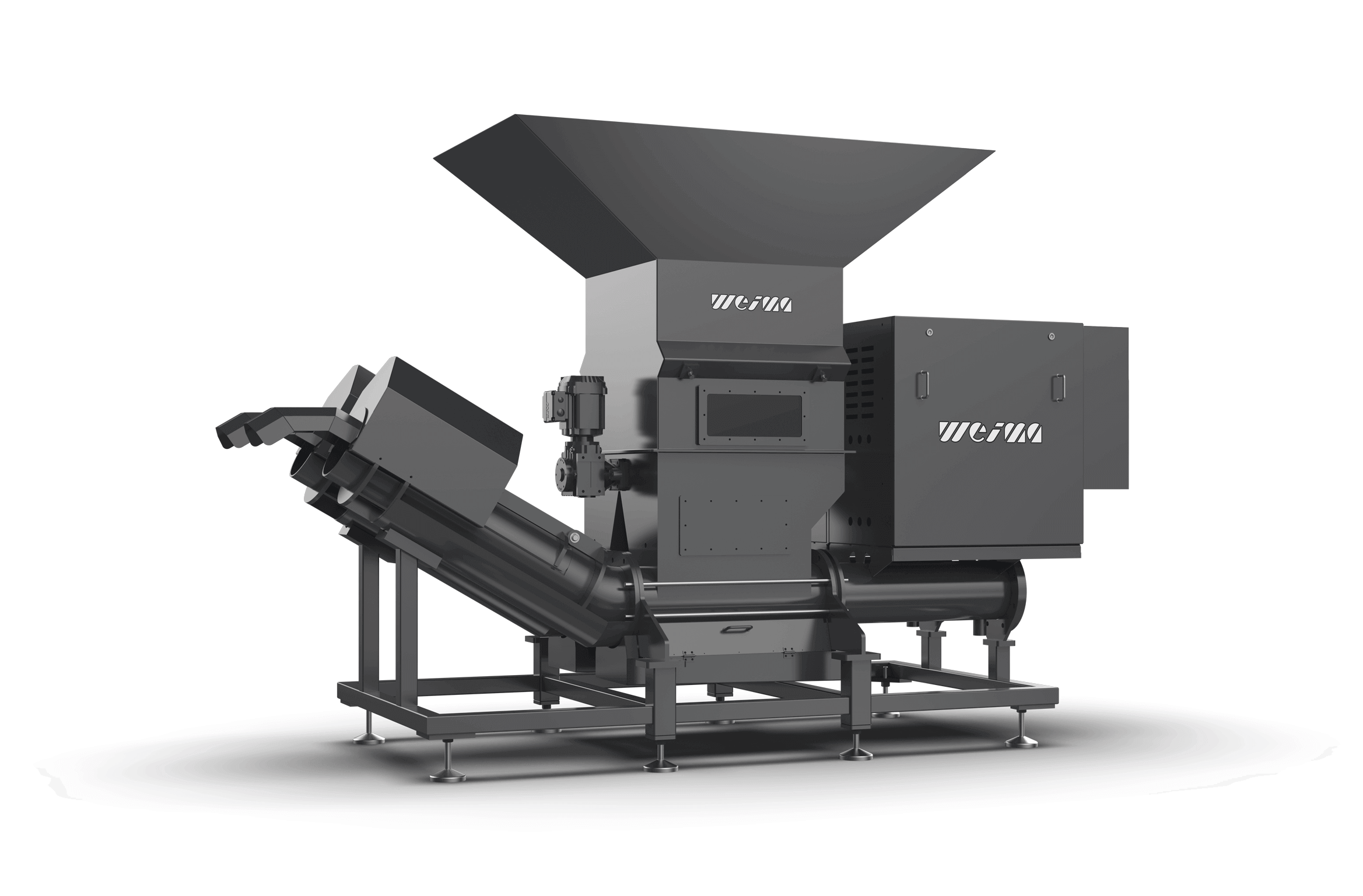
The C.200 Duo features two independent press pistons, which are fed alternately via a movable divider plate in the hopper. This allows both press chambers to be filled in turn, significantly reducing downtime. In the event of a fault, the system automatically switches to the available press channel, thereby ensuring continuous operation.
Easy installation thanks to the plug-and-play solution

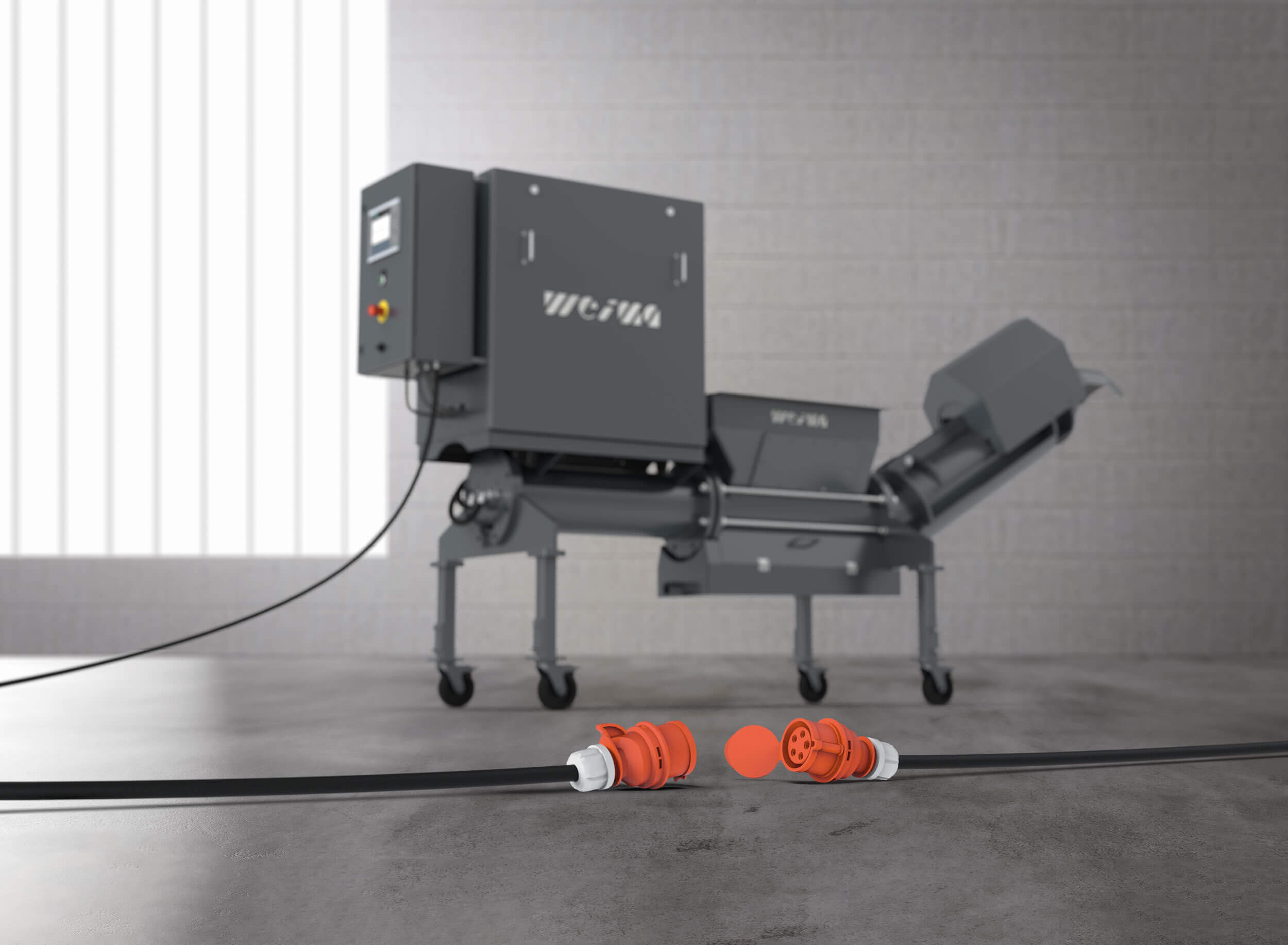
To make commissioning particularly straightforward, the C-Series presses are delivered pre-configured and ready for use as a plug-and-play solution. All that is required for installation is a power connection and a link to the upstream processing machine. On request, training on the machine’s functions and operation can also be provided digitally.
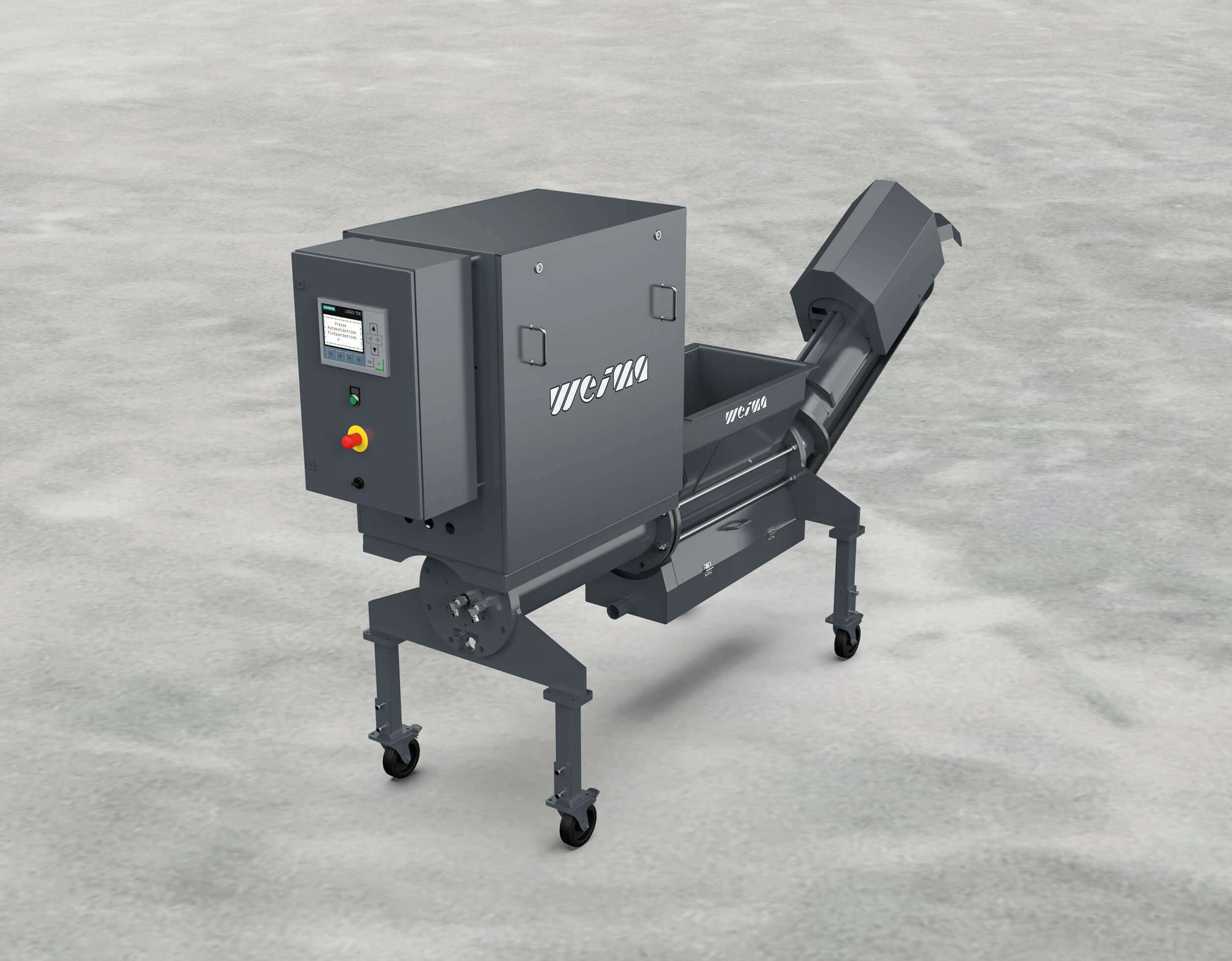
User-friendly touchscreen

The colour display on the integrated Siemens PLC allows numerous parameters, such as pressing cycles, to be adjusted quickly and easily. The machine is connected to the machining centre via a simple signalling system – pressing only takes place when the chip conveyor is active. To minimise downtime, the system displays detailed diagnostic messages in the event of a fault, enabling rapid troubleshooting.
C.200Product features
We’d be happy to advise you.

What would you like to dewater and compress?

Kontakt

Compare our models

Measurements & Comparison
CLOSE
  • Output diameter (mm)
  • Throughput rate
  • Performance
  • Residual moisture
C.200
  • 200
  • up to 2 m³/h
  • 4 kW | 400 V | 50 Hz
  • 3 %
  • 200
  • up to 40T Fl./h
  • 3 kW | 400 V | 50 Hz
  • 30 %
  • 250
  • bis zu 60T Fl./h
  • 4 kW | 400 V | 50 Hz
  • 30 %
  • 300
  • ab 60T Fl./h
  • 4 kW | 400 V | 50 Hz
  • 30 %
  • 200 mm
  • up to 2,5 m³/h
  • 4 kW | 400 V | 50 Hz
  • 3 - 30 %
  • 300 mm
  • up to 4 m³/h
  • 5,5 kW | 400 V | 50 Hz
  • 3 - 30 %
  • 200 mm
  • up to 6 m³/h
  • 5,5 kW | 400 V | 50 Hz
  • 3 - 30 %
  • 300
  • up to 12 m³/h
  • 7,5 kW | 400 V | 50 Hz
  • 3 - 30 %
  • 300
  • up to 22 m³/h
  • 15 kW | 400 V | 50 Hz
  • 3-30 %
  • 300 mm
  • bis 10 m³/h
  • 7,5 kW | 400 V | 50 Hz
  • 3 - 30 %

Application videos

Watch the C.200 press in action
Metal
Dewatering and compaction of bulky metal swarf using the WEIMA C.200 press
The WEIMA C.200 chip dewatering press is a high-performance solution for the efficient compaction and dewatering of metal and plastic chips. Whether tear, shear or flow chips – the C.200 reliably processes all common types of chips and forms them into compact bales with a diameter of 200 mm. During the pressing process, adhering coolants, lubricants, emulsions or oils are effectively separated from the material. The recovered liquids can be returned to the production cycle, whilst the remaining chip material loses a significant amount of volume and weight. This sustainably reduces storage, transport and disposal costs. Thanks to robust hydraulic technology, a well-designed machine concept and automated operation, the C.200 is ideally suited for use in machining workshops and in the recycling sector.
Visit YouTube
Wood | Paper | Plastic
The C.200 press has a wide range of applications
The WEIMA C.200 dewatering press impresses with its versatility in industrial and recycling applications. In addition to the efficient dewatering of metal shavings, the hydraulic press is also suitable for separating liquids from paper fibres, wood fibres, plastic fibres and other solids. The powerful pressing process produces compact, transportable bales with a diameter of 200 mm, whilst liquids are reliably separated and can be returned to the cycle or disposed of properly. The result: reduced disposal costs, lower waste volumes and sustainable process optimisation.
Visit YouTube
plastic
Drain and compress fine particles from the plastic washing plant
The WEIMA C.200 dewatering press efficiently dewaters and compacts fine plastic particles from wastewater treatment. Hydraulic pressure reliably separates the plastic particles from the water and shapes them into compact briquettes. The result: virtually dry plastic residues with significantly reduced weight. This considerably reduces transport and disposal costs, whilst at the same time enabling clean and cost-effective further processing or disposal. The WEIMA C.200 stands for high-performance dewatering, robust hydraulic technology and maximum process reliability – ideal for applications in wastewater treatment and recycling.
Visit YouTube
Metal
De-watering and compacting grinding sludge using the WEIMA C.200 hydraulic press
In this demonstration video, we show the dewatering and compaction of grinding sludge using the WEIMA C.200 hydraulic press. The highly moist sludge produced during the grinding process is compacted in the pressing chamber under high hydraulic pressure and reliably separated from liquids. The result is compact, virtually dry bales with a diameter of 200 mm, which are significantly easier to store, transport and dispose of. Effective dewatering significantly reduces the weight of the material – and thus also disposal costs. The WEIMA C.200 offers a cost-effective and practical solution for the treatment of grinding sludge in metalworking companies and in the recycling sector.
Visit YouTube
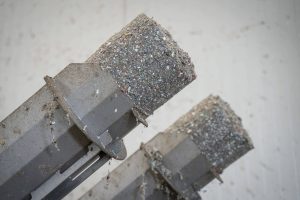
Dewatered and compressed gray lumps of plastic fines on the discharge pipes of a WEIMA C.200 Duo
plastic
Dewatering and compacting fine fractions from plastic recycling
In this video, you can see the WEIMA C.200 Duo dewatering press in action, processing fine plastic fractions from HDPE and PP recycling. During the recycling process, large quantities of fine plastic fractions are produced, containing up to 80% water. The C.200 Duo efficiently dewaters and compacts these wet fine fractions. The moisture content can be reduced to around 15%. The result is compact, transportable bales with a significantly lower weight. The substantial weight reduction leads to a noticeable reduction in disposal and transport costs. At the same time, mechanical dewatering improves the handling of the material and optimises the entire recycling process.
Visit YouTube
0 / 0
We’re happy to help.

Do you have any further questions about the C.200 press or drainage?