



What are you looking for?
Explore all WEIMA solutions
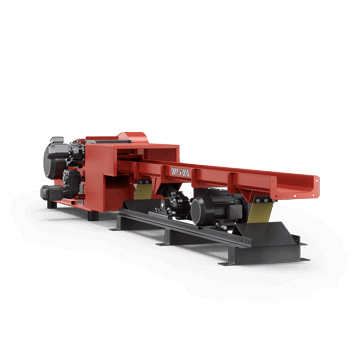
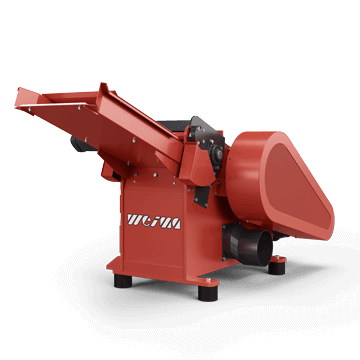
The WLH 600 is a high-performance horizontal shredder designed specifically for high throughput requirements and the processing of long wood waste. Within the WLH series, this model is designed for larger woodworking businesses where strips, solid square timbers or profile offcuts are produced on a continuous basis.
Shredding is carried out by a powerful rotor in combination with a horizontal feed system that reliably handles even long workpieces. Typical applications include sawmills, prefabricated house manufacturers or industrial furniture production facilities with high volumes of waste material. The WLH 600 integrates into existing recycling solutions and supports efficient waste shredding with a defined particle size. The robust steel construction and maintenance-friendly design are engineered for multi-shift operation. For businesses with growing material volumes, the WLH 600 represents a scalable and cost-effective solution.
Technical specifications and options are explained in more detail below.
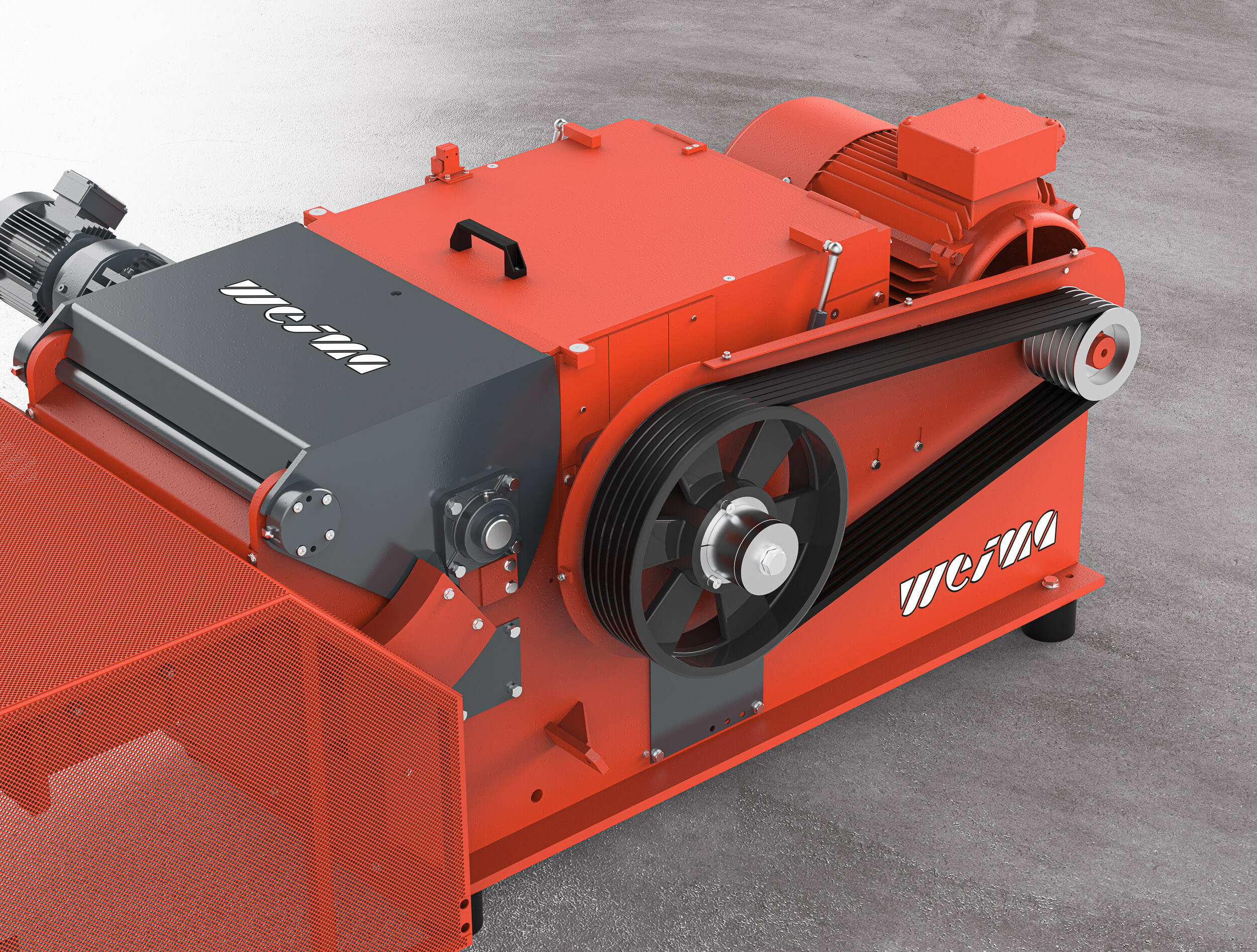
High throughput thanks to an electromechanical V-belt drive
A reliable power transmission ensures consistent performance under varying load conditions. The rotor is driven by an electric motor via a V-belt, which efficiently transmits torque. The absence of a gearbox and clutch reduces the number of components prone to wear. This increases uptime and supports consistently high throughput rates.
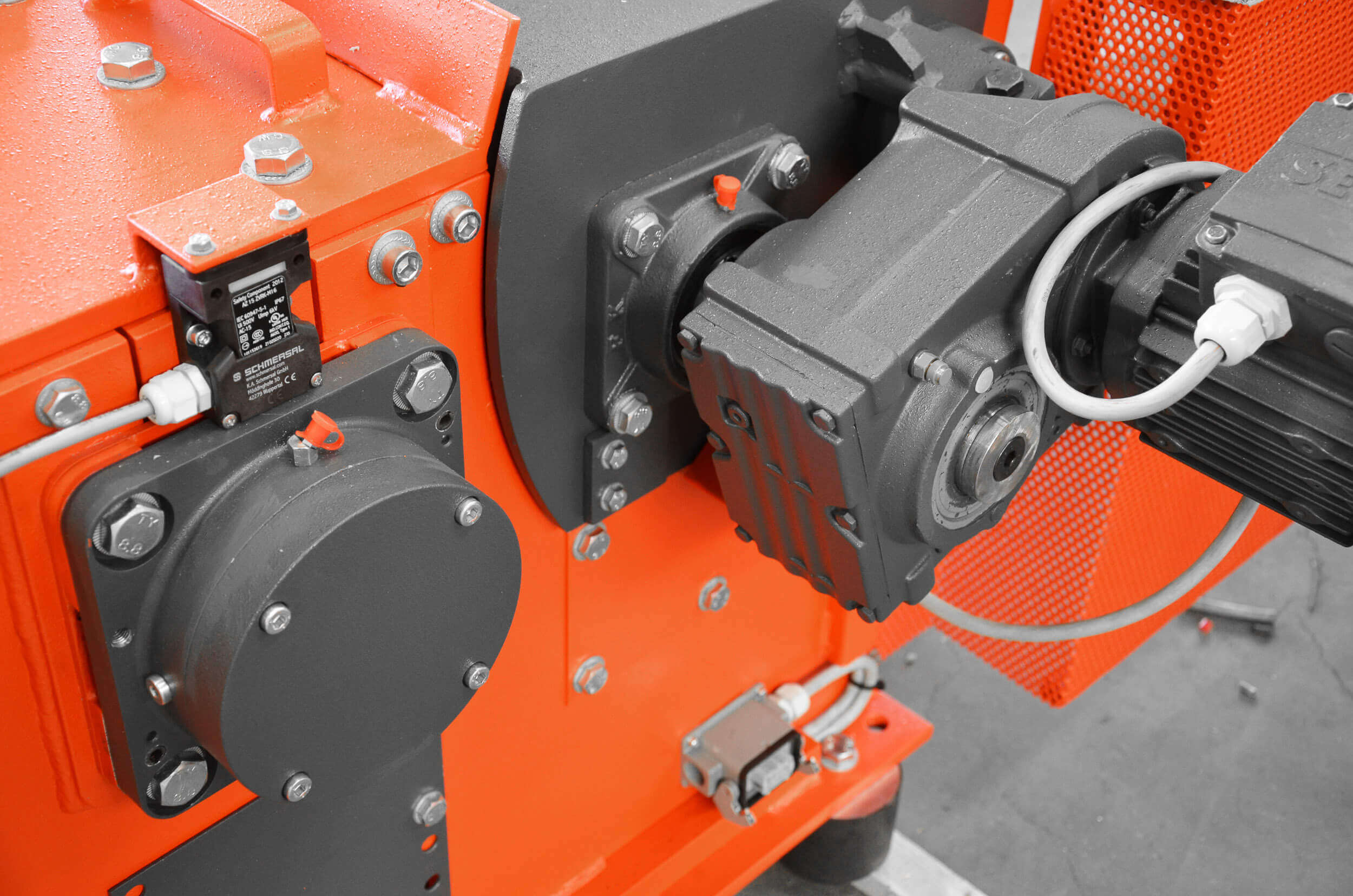
High machine availability thanks to offset rotor bearings
A robust design minimises downtime in industrial operations. The rotor bearings are separated from the machine housing and protected against dust and particles. At the same time, they remain easily accessible for maintenance and inspection. This extends service intervals and increases the service life of key components.
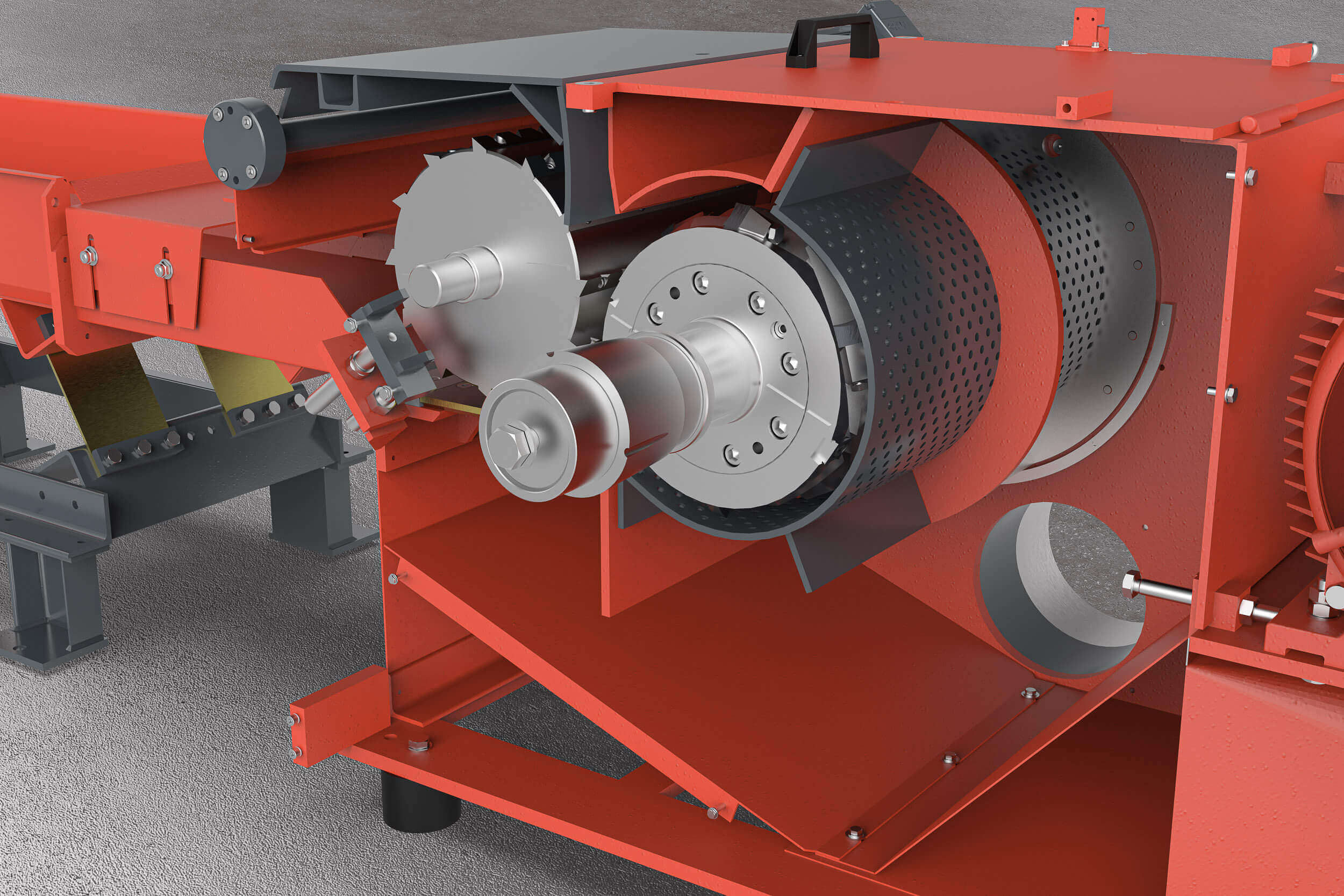
Defined particle size thanks to a replaceable round-hole sieve
A consistent particle size is essential for stable downstream processes. A bolted round-hole screen with hole diameters ranging from 10 to 80 mm is installed beneath the rotor. The material remains in the cutting chamber until it passes through the specified screen aperture. This allows the output size to be precisely adjusted and adapted to different requirements.
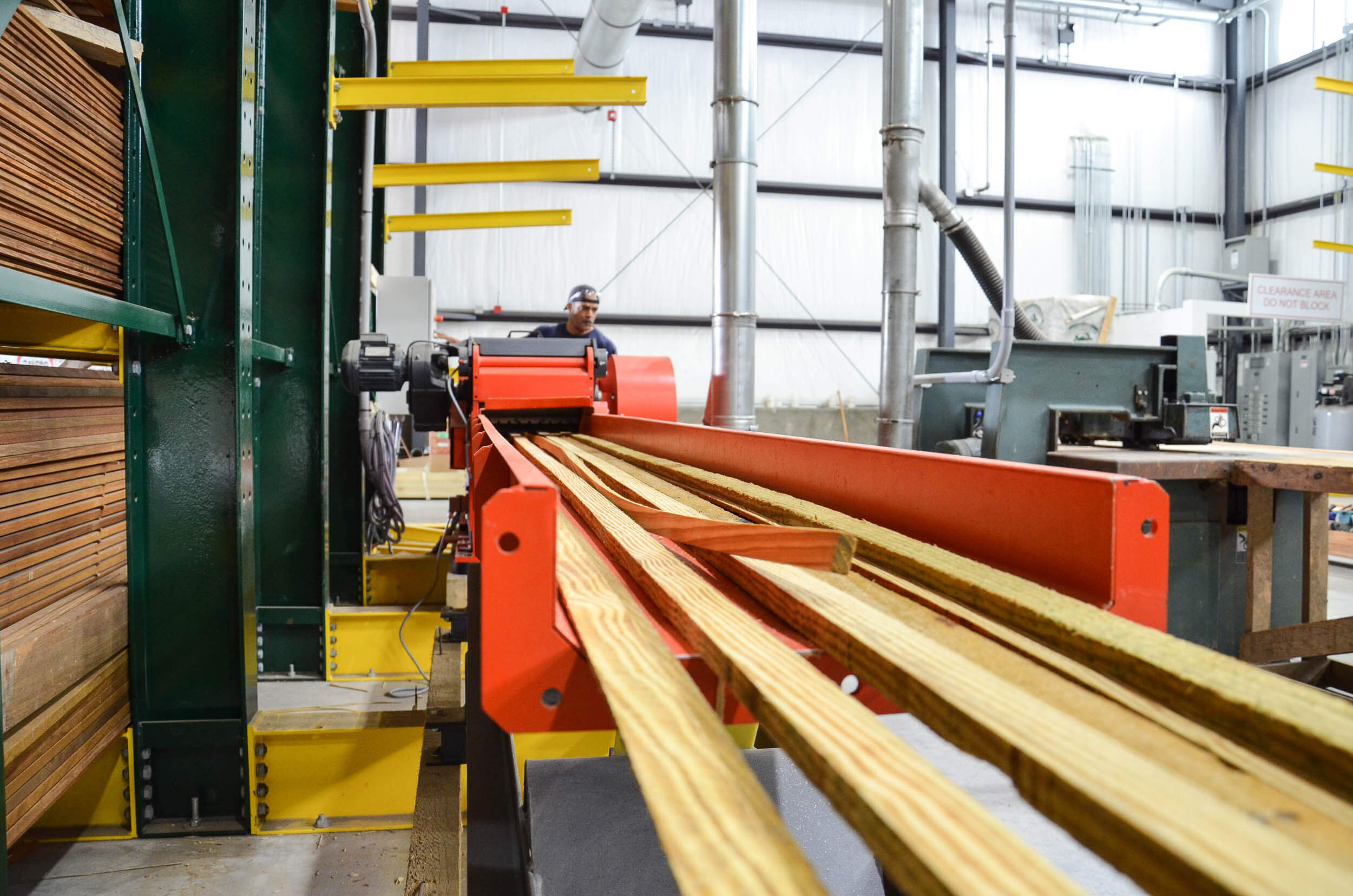
Reliable material feeding via a vibrating chute and feed roller
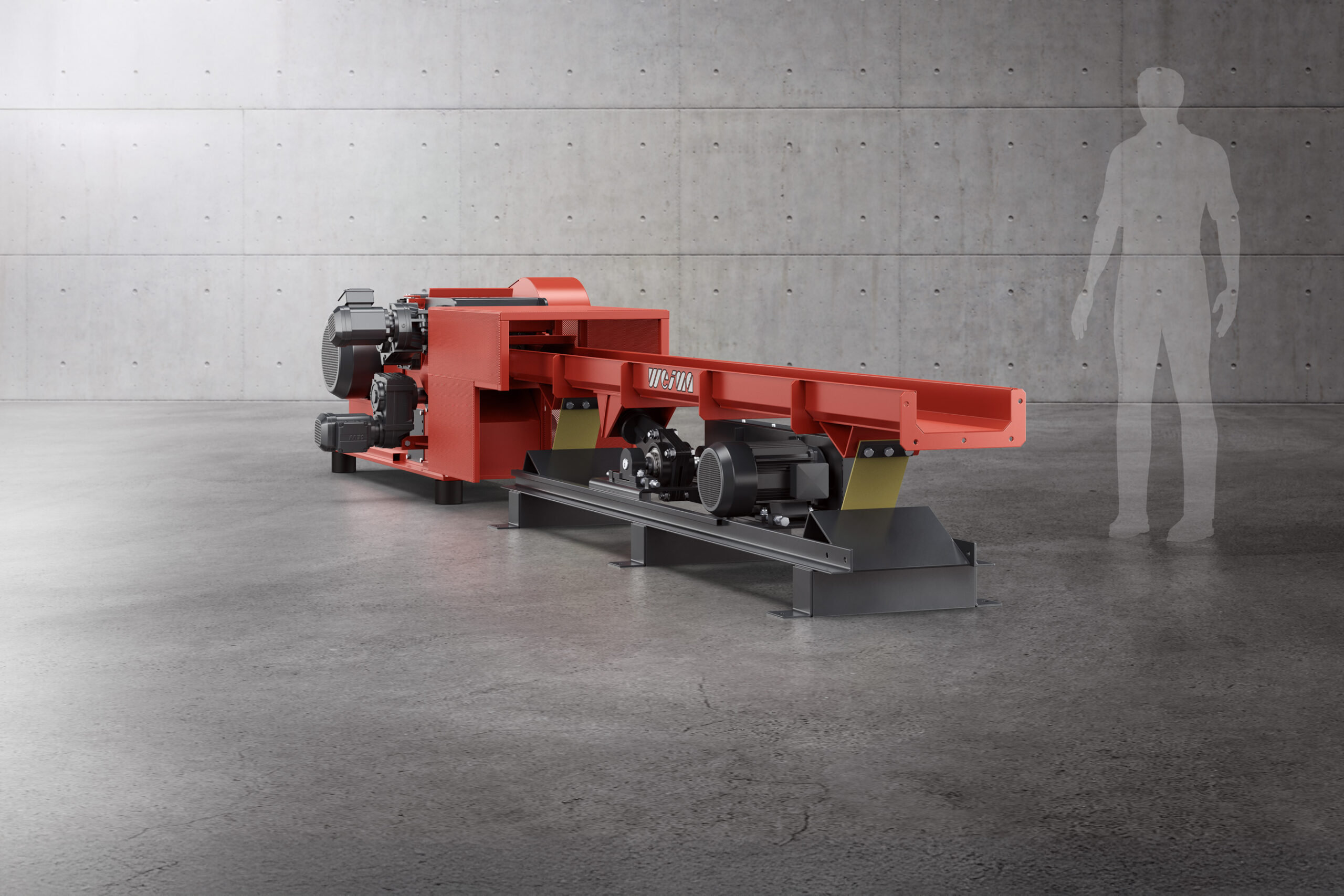
Whilst Biber machines are fed directly via a manual inclined feed, WLH and Tiger shredders use a vibrating chute for material feeding. It is available in various lengths (up to 40 m) and conveys items such as long strips, profiles or pipes to the feed roller located in front of the rotor. The roller grips the material to be shredded and conveys it horizontally to the rotor, where it is shredded between the cutting blades and counter-blades. The horizontal machine design simplifies the handling of long parts. Compared to shredders with a conventional hopper, the material cannot fly out uncontrollably, which significantly increases safety.
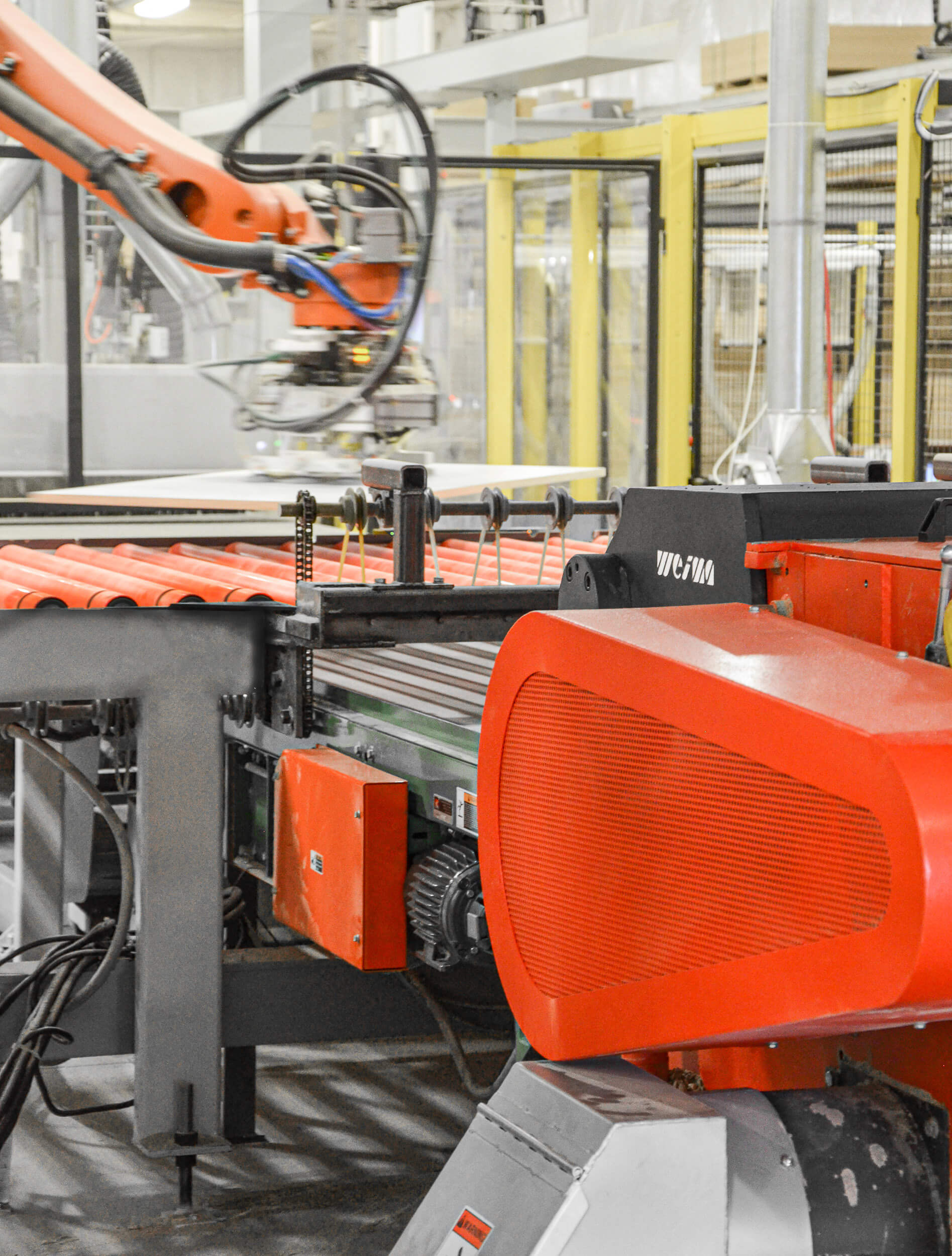
Fully automated operation through line integration
Automated processes reduce the workload on staff and improve process stability. The machine is equipped with standard data interfaces for integration into higher-level control systems. In automated operation, material feeding and shredding are process-controlled without the need for manual intervention. This reduces intralogistics requirements and increases overall plant efficiency.
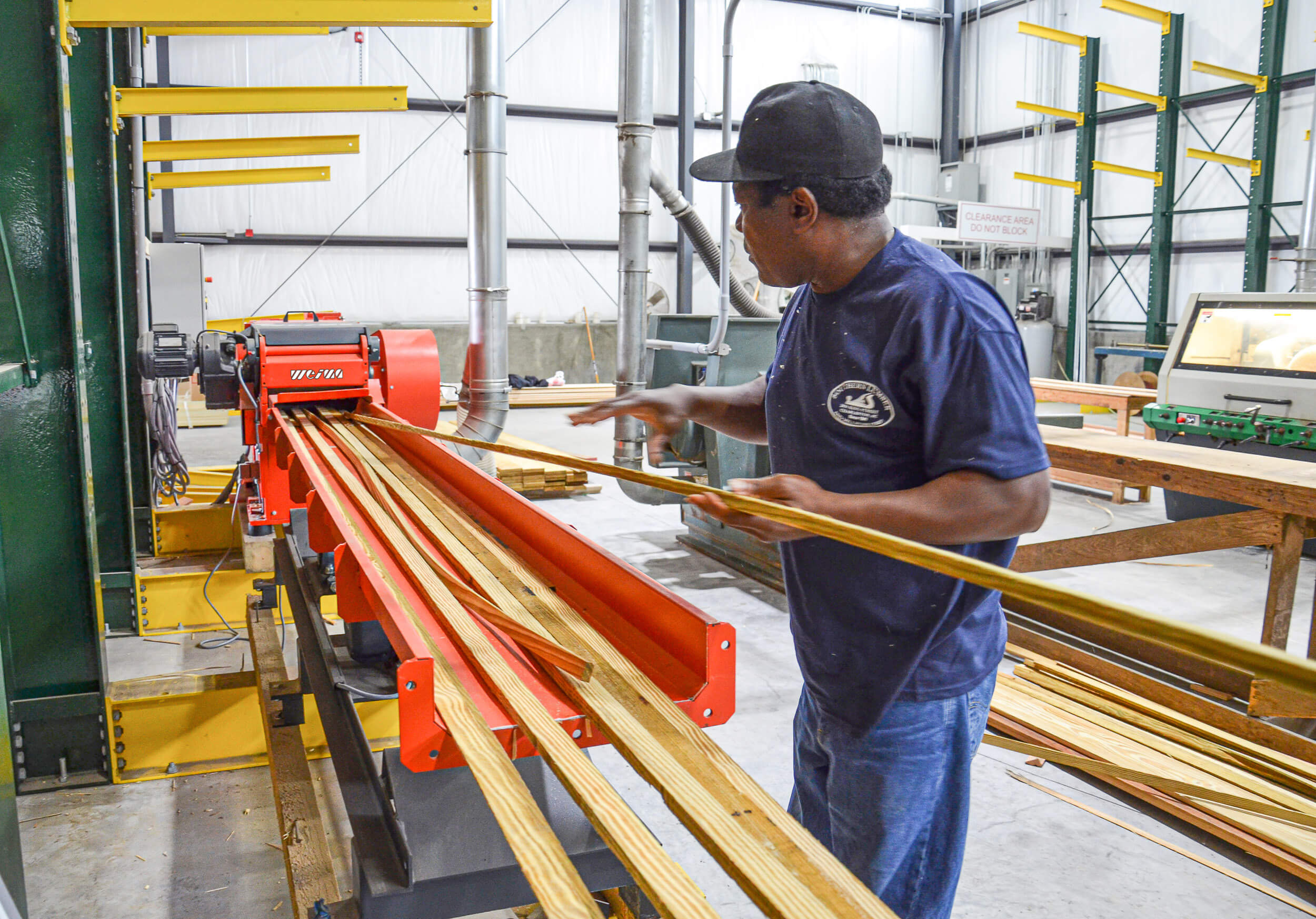
Direct waste disposal through integration close to the machinery
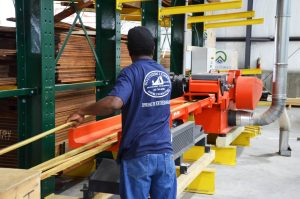
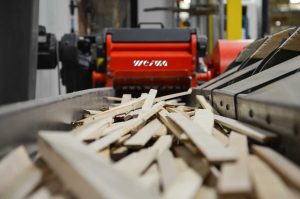
Short distances improve efficiency in the production environment. The horizontal shredder can be positioned right next to the processing machines. Waste material is processed immediately, without the need for temporary storage or additional transport. This reduces handling effort and stabilises the flow of materials in the workplace.
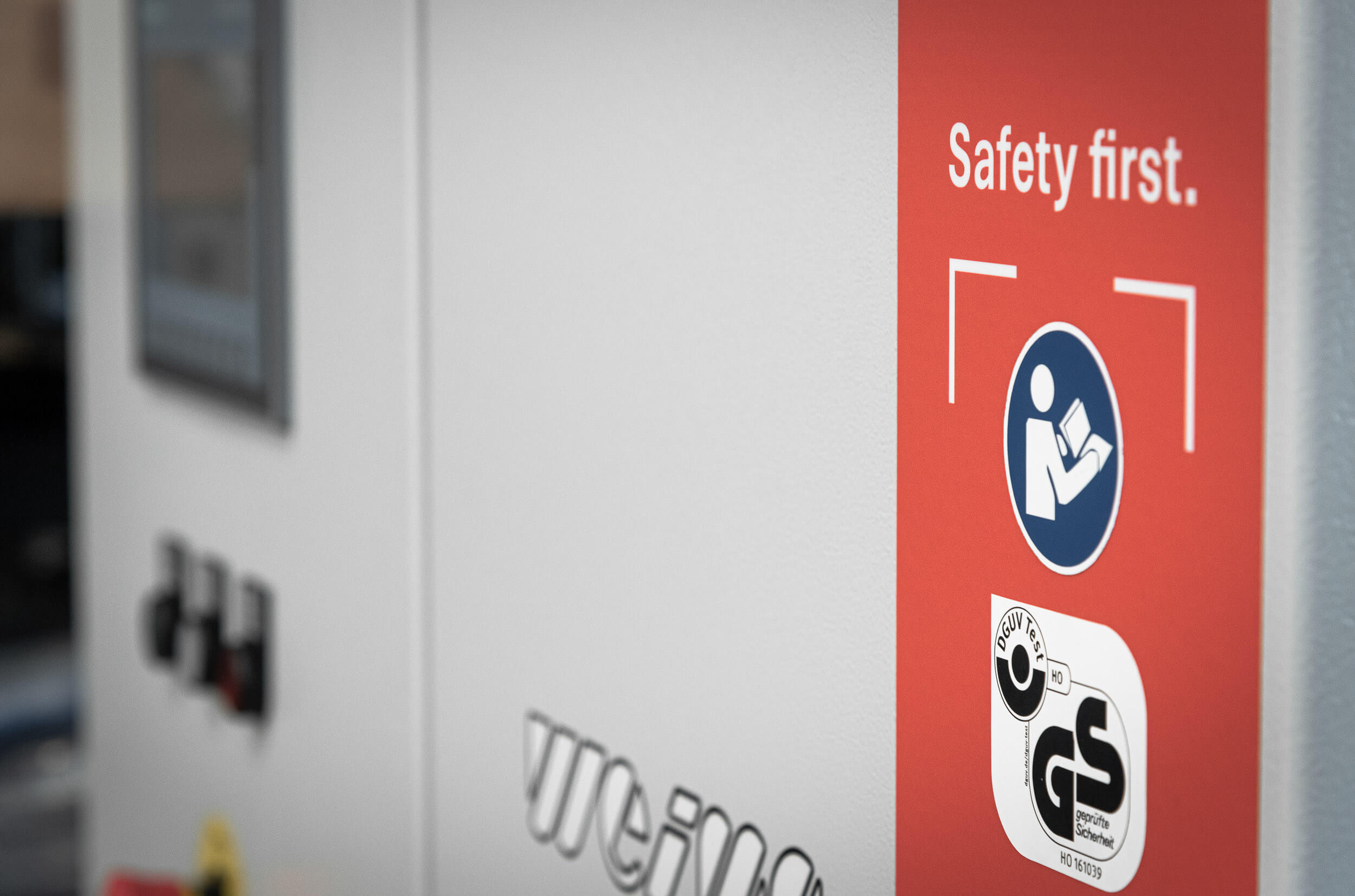
Consistent grinding quality thanks to the Siemens PLC control system
Stable process control ensures consistent output quality during continuous operation. The Siemens PLC is housed in a separate control cabinet and centrally controls all machine functions. Process parameters can be configured to suit specific applications and integrated into production lines via standard interfaces. This results in reproducible finished goods with a high level of process reliability.
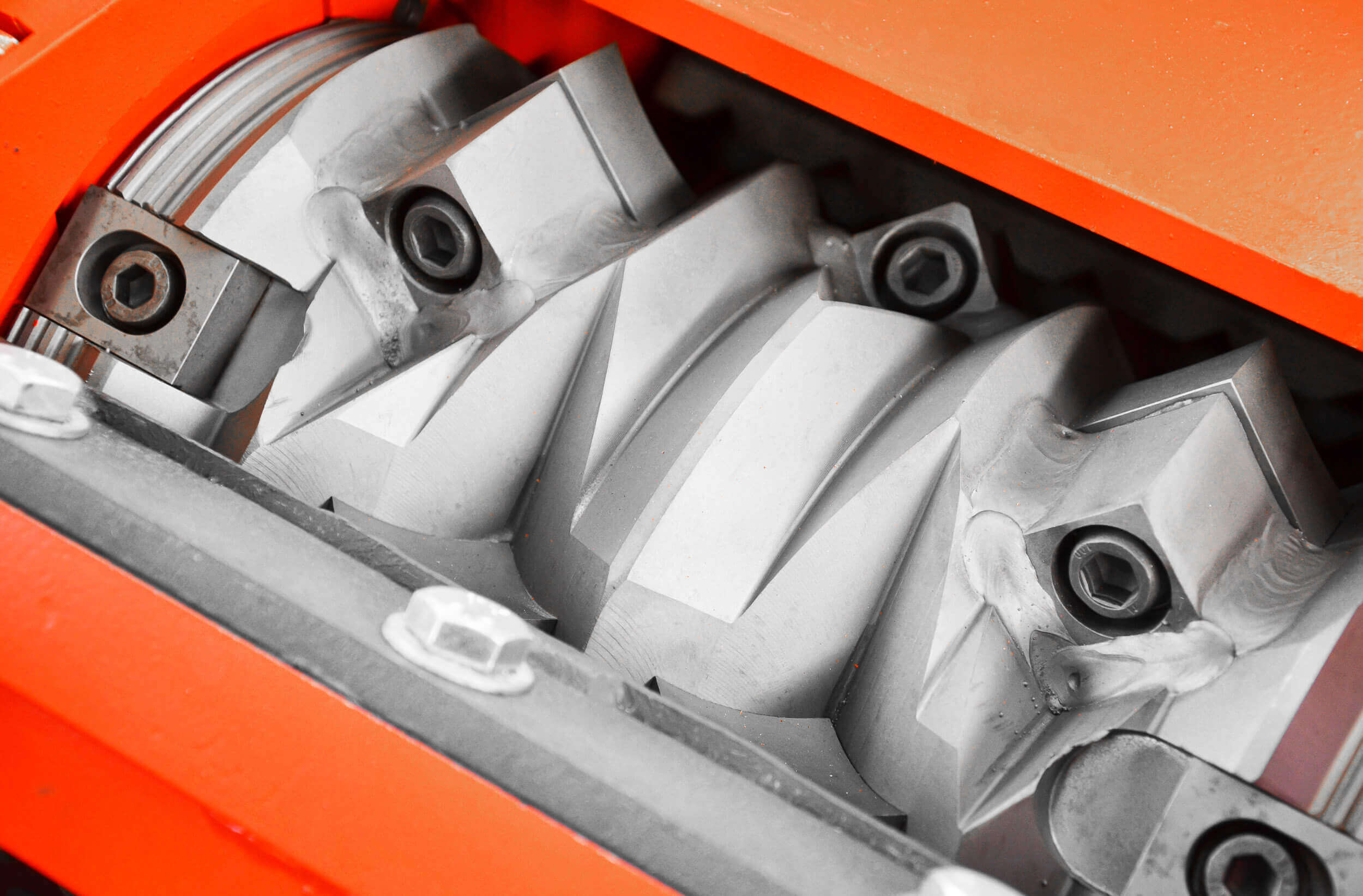
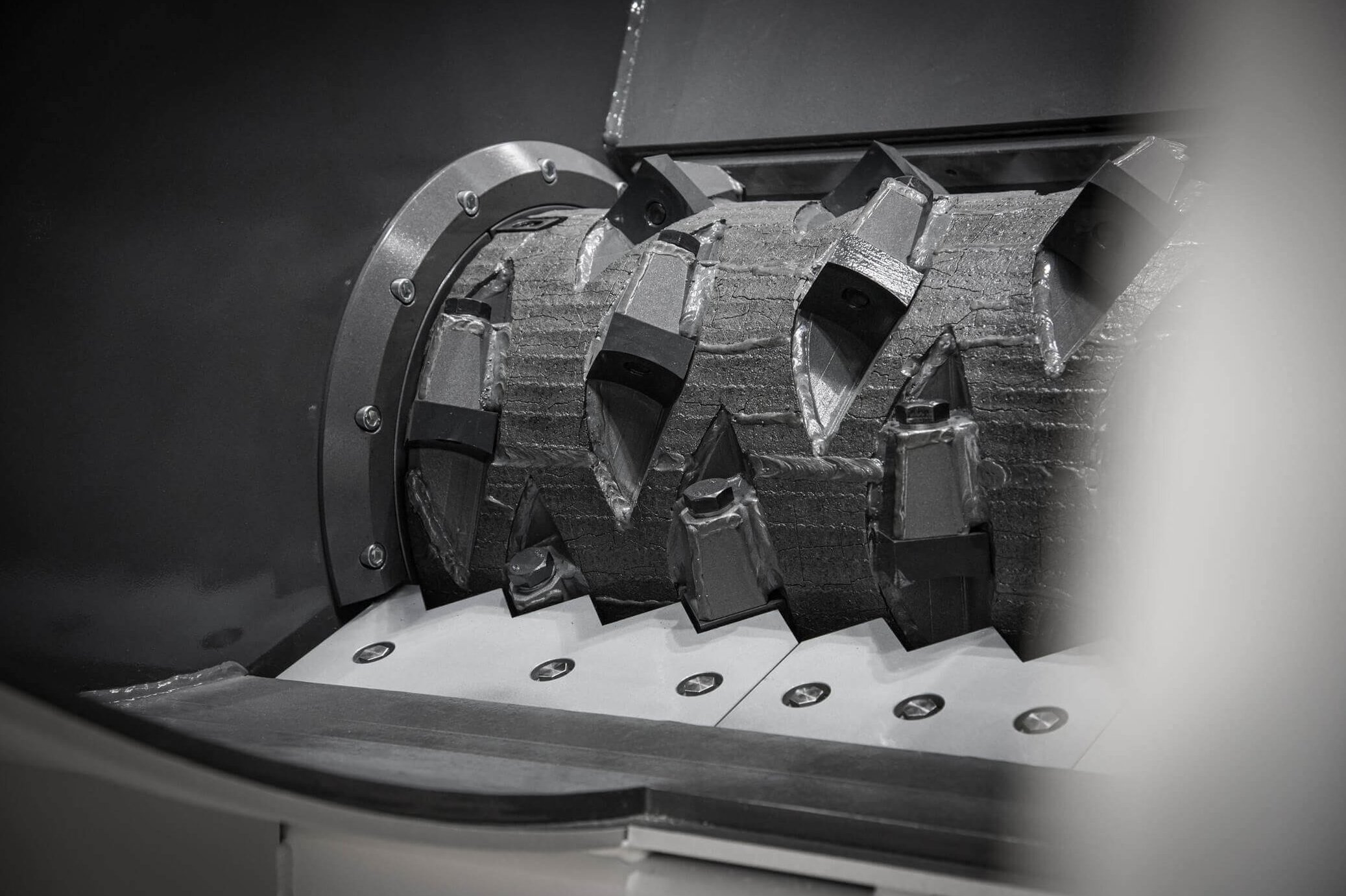
High cutting performance thanks to a V-rotor with two rows of blades
The cutting geometry plays a key role in determining performance and energy efficiency. The V-rotor, featuring two rows of blades, works in conjunction with a controlled feed roller to ensure a continuous supply of material. This reduces peak loads and keeps energy consumption stable. Reversible and replaceable cutting blades ensure consistent cutting quality whilst minimising downtime.