





What are you looking for?
Explore all WEIMA solutions
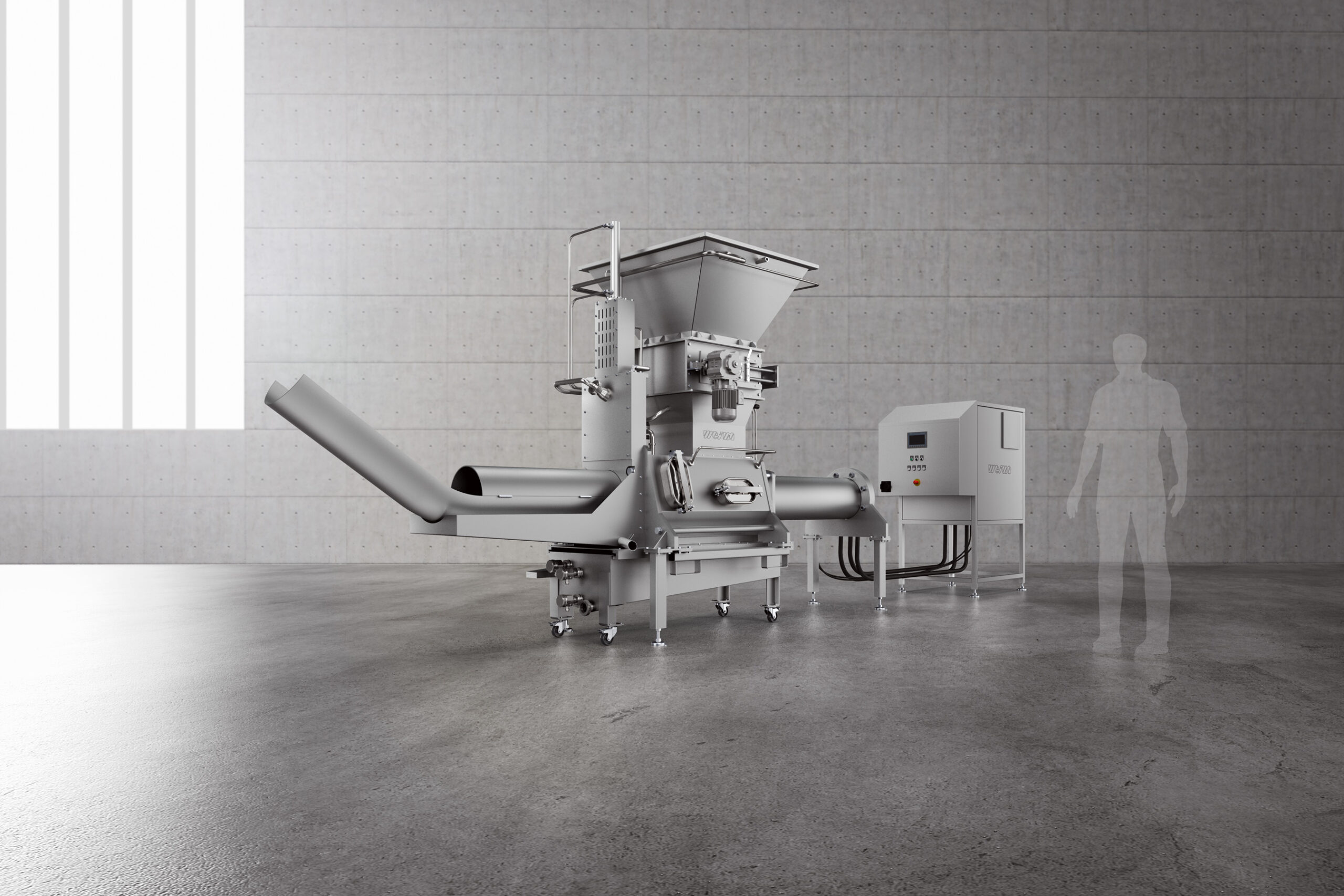
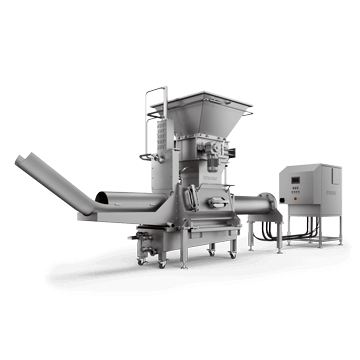
The use of machinery in the production return process places particularly high demands on quality, machine safety and hygiene standards. The WEIMA G.300 Hygienic Design has been specially developed for sensitive processing applications and meets the requirements of Regulation (EC) No 2023/2006. This makes it ideally suited for use in hygiene-critical areas of the food, beverage and consumer goods industries.
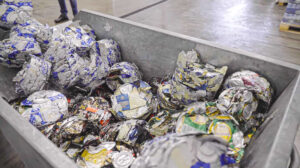
As a high-performance dewatering press, it combines efficient liquid separation with reliable material compaction – for maximum volume reduction and optimum recyclability. When producing 300 mm bales, the G.300 Hygienic Design achieves a throughput of up to 10 m³ of material per hour. With a dewatering efficiency of up to 99% and a residual moisture content of between 3 and 30 per cent, it produces compact, transport-optimised bales for downstream recycling and recovery processes.

No conveyor belt required
The G.300 presses achieve a greater discharge height thanks to their curved discharge chute. The discharge chute can be extended as required. This allows the material to be discharged directly into a container or tipper body without the need for an additional conveyor belt.
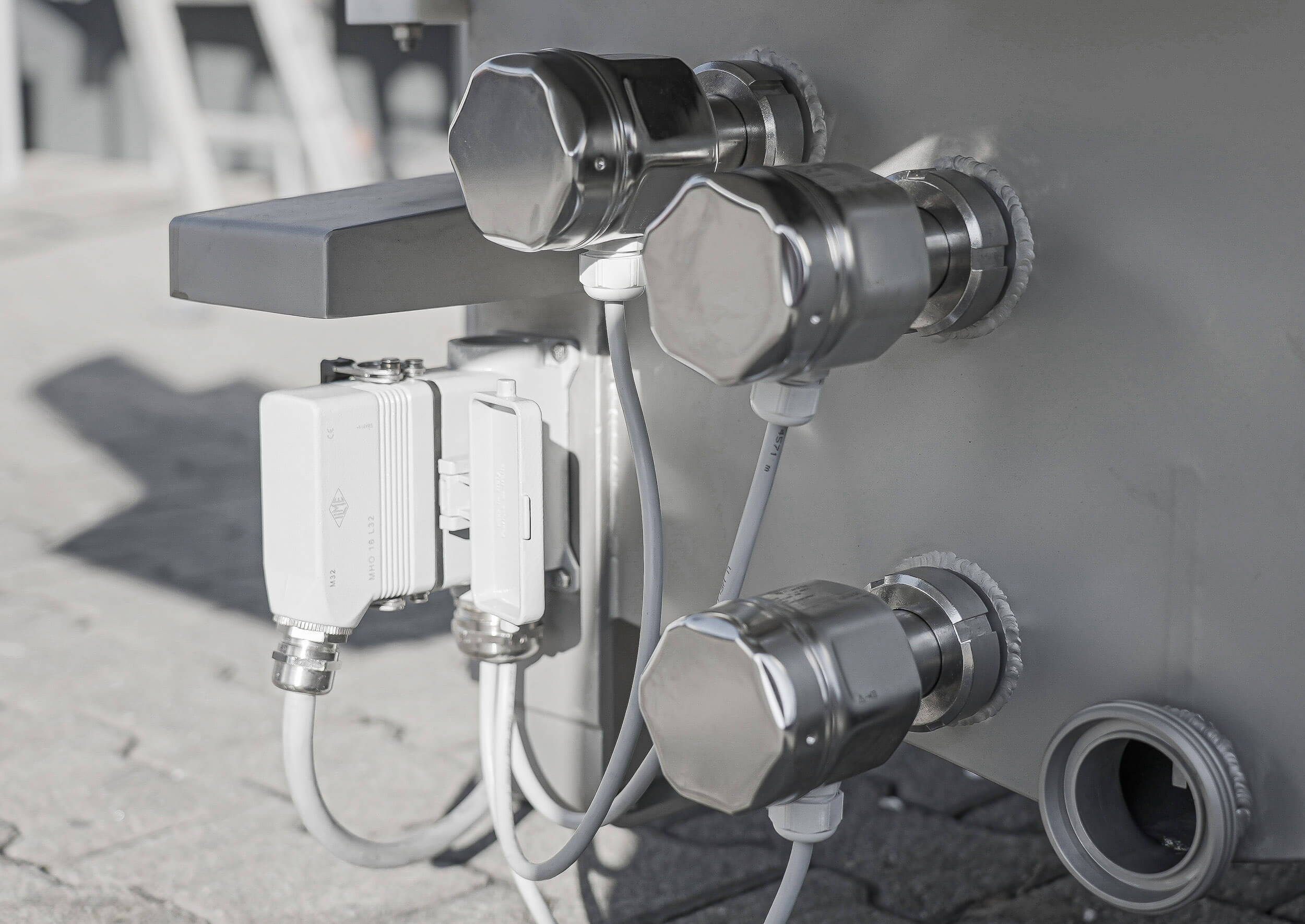
Optimised fluid drainage for sustainable material recirculation thanks to a level-controlled pump
Sensors on the collection tray continuously monitor the liquid level and control the automatic pumping out of the extracted liquid. As soon as the tray or connected containers reach their capacity limit, the press stops automatically – as do upstream systems such as the conveyor belt or lifting and tipping device.
Depending on the material requirements, the dewatered liquid is discharged directly from the collection tank via a screw or radial pump. It can then be fed directly into the subsequent processing stage.
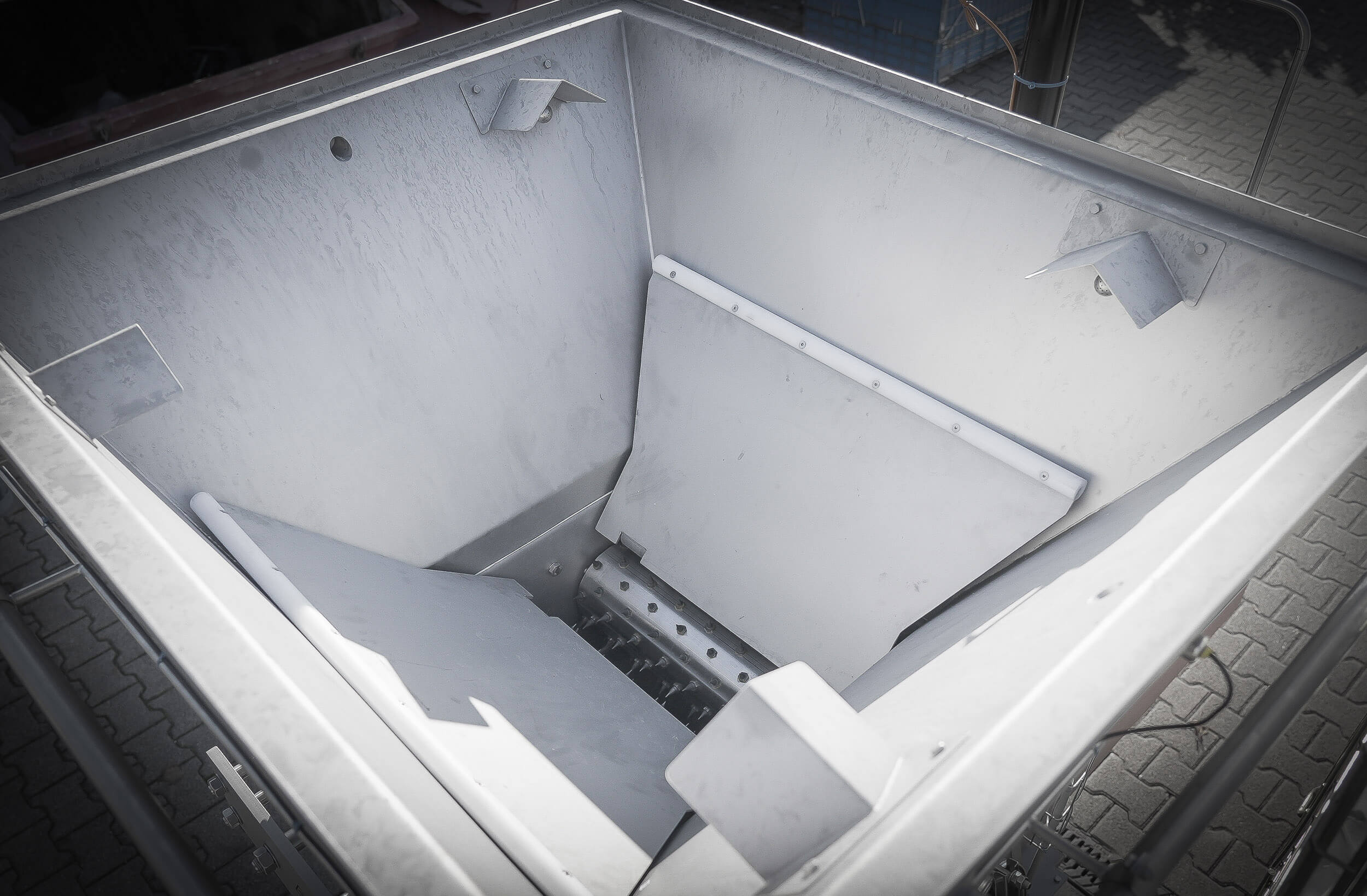
Large hoppers for a larger material buffer
The feed hopper accepts the material to be dewatered either manually, via a conveyor belt or via a lifting and tipping mechanism. With a capacity of 1,000 litres, it offers a generous buffer volume, ensuring a continuous process even when the material feed fluctuates. A hopper with a capacity of 2,000 litres is available as an option for the G.300 Duo Hygienic Design.

Double return speed
The hygienic design presses are available with a dual-pump hydraulic system as an option. This increases throughput by doubling the return speed of the press ram, thereby further enhancing overall performance.

Prevent contamination by installing a second drip tray on the discharge pipe
During compaction, product residues may escape from the packaging and come into contact with printing inks. To prevent any potential contamination, there is an additional collection tray located beneath the discharge pipe. The compacted material is then channelled out to the side and can subsequently be disposed of properly.
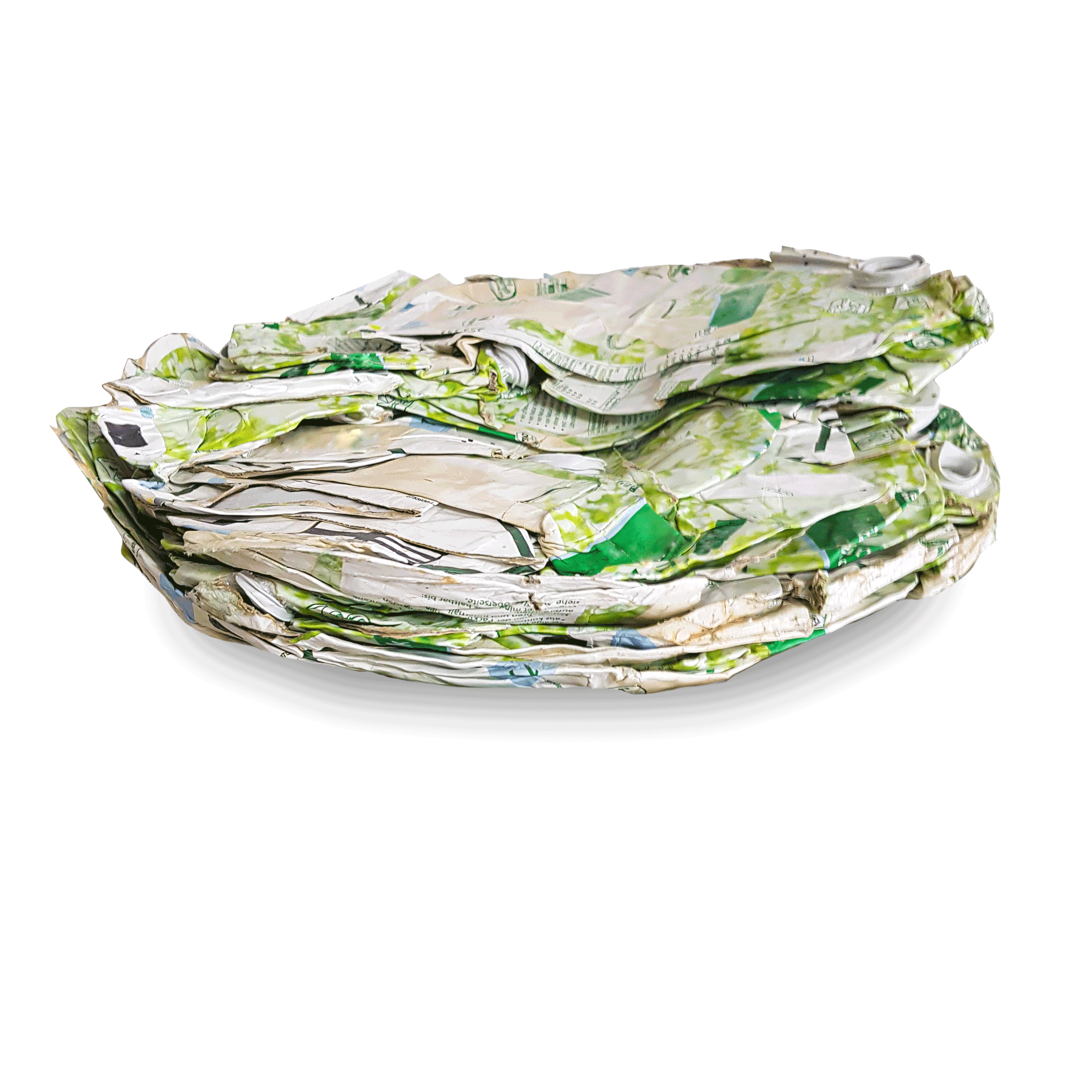
Post-cleaning system for maximum purity
To ensure particularly clean pellets, the discharge pipe can be optionally fitted with a post-cleaning device. This reliably removes any remaining product residue from the surface of the pellets. The cooling water from the oil cooling system can be efficiently reused for flushing.

Easy control of your production line with PROFINET and Siemens PLC control
The high-quality Siemens PLC is easily operated via an intuitive touchscreen display. Key parameters such as pressing time, pressing force and the re-pressing function can be adjusted quickly and flexibly. Thanks to PROFINET networking, upstream and downstream systems can also be seamlessly integrated and controlled. This allows you to keep your entire processing operation under safe and efficient control at all times.

Constant material feed via a horizontal agitator
The feed hopper can be fitted with a horizontal agitator as an option. This prevents material bridging and ensures a consistent, continuous feed to the pressing process.
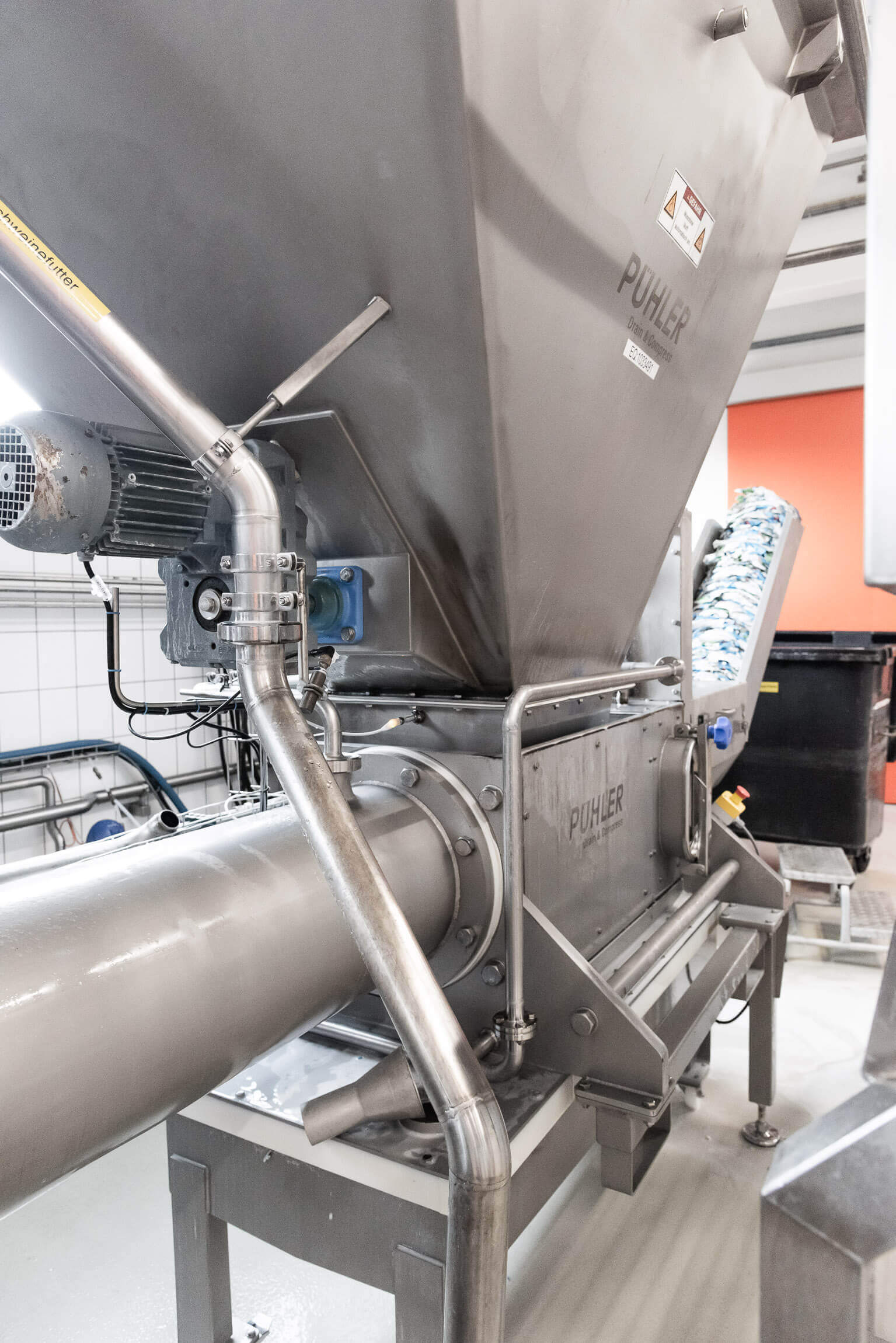
Perfectly hygienic thanks to hygienic design
Safe and hygienic: Thanks to their easy-to-clean design, WEIMA dewatering presses ensure the highest standards of food safety, meet relevant hygiene standards and make cleaning easier. This significantly reduces downtime and cleaning times.
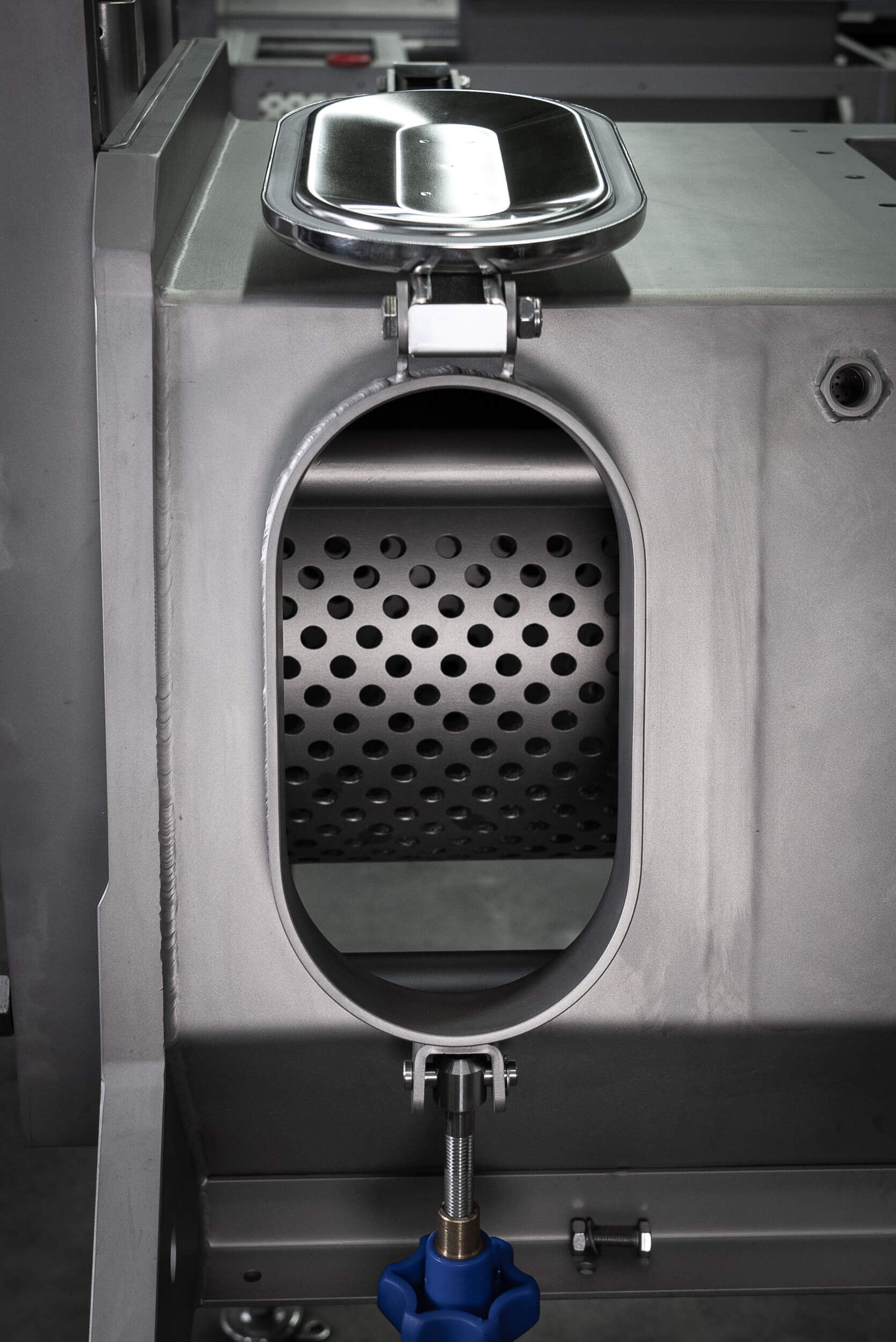
User-friendly maintenance and cleaning thanks to the pre-cleaning system and maintenance hatches
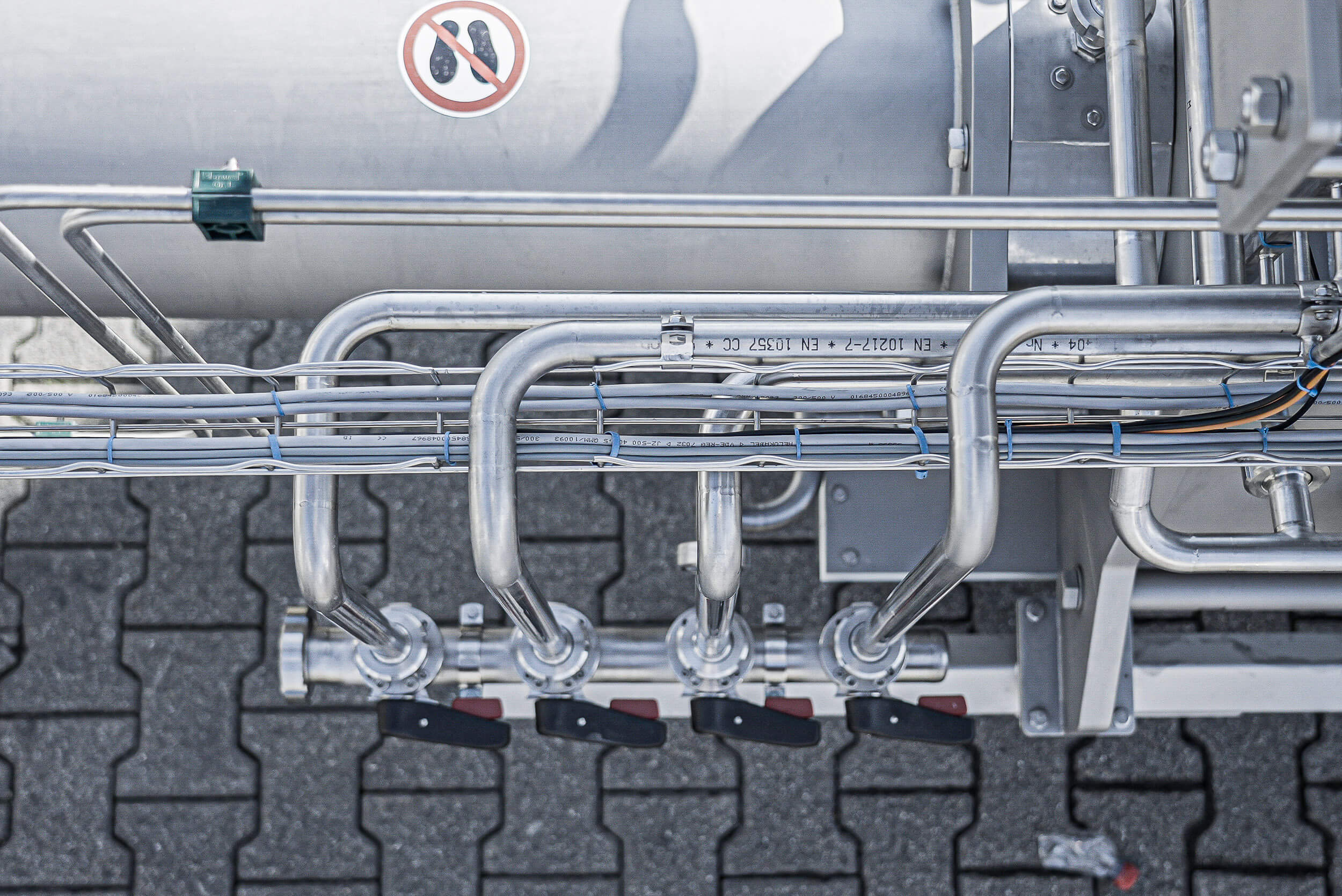
The integrated pre-cleaning system, featuring dedicated Cleaning-in-Place (CIP) piping, enables thorough cleaning without the need to dismantle the system or its individual components. Cleaning is carried out via spray balls in all areas that come into contact with the product. In addition, five generously sized maintenance hatches ensure optimum accessibility for maintenance and cleaning of the hygienic design press.
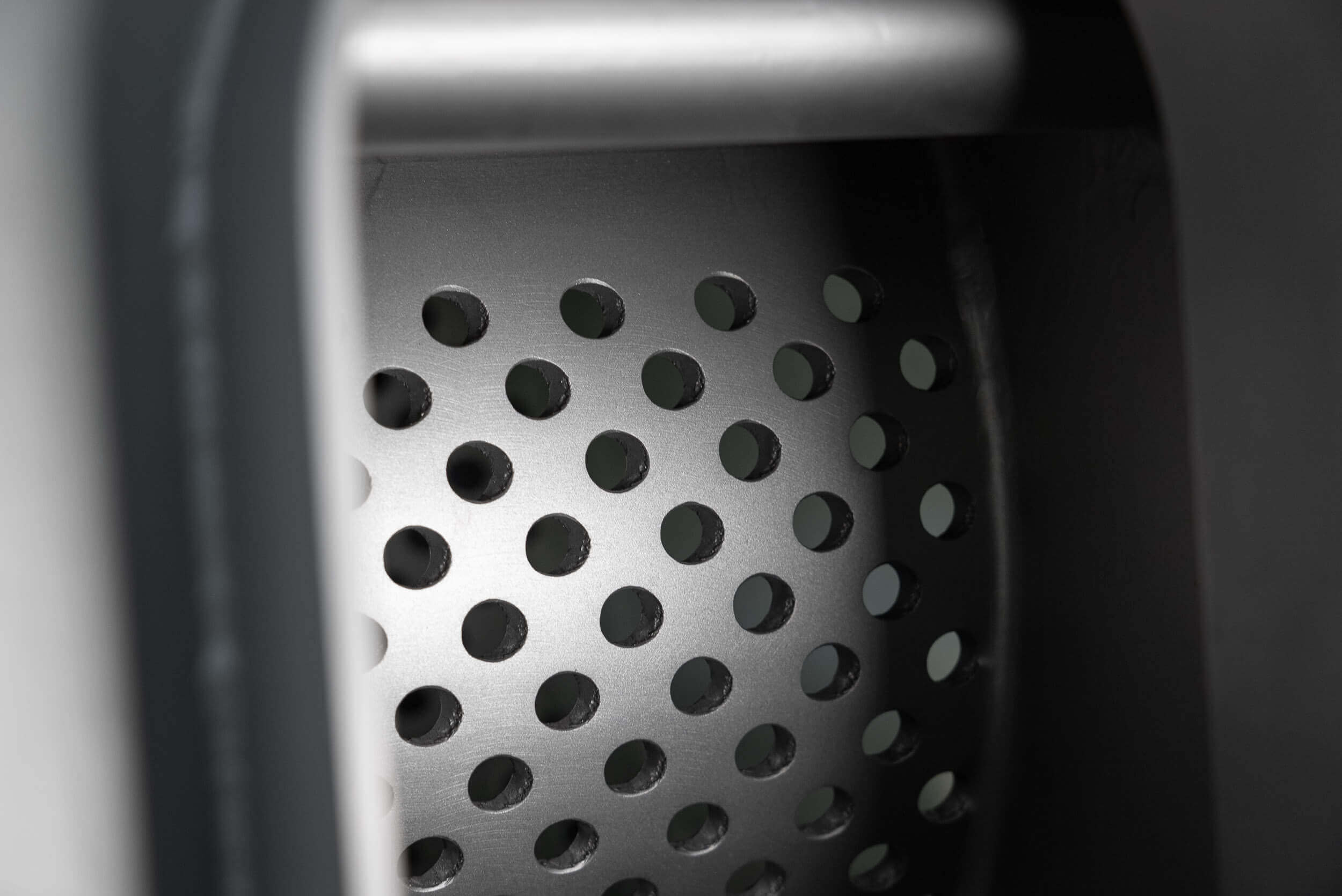
Optimal adaptation to material properties through customised screen sizes
The screen used to separate the product from its packaging is customised to suit your specific application. The mesh size can be flexibly selected between 4 and 12 mm. Choosing the finest possible mesh size reliably prevents packaging components or fine particles from entering the product.
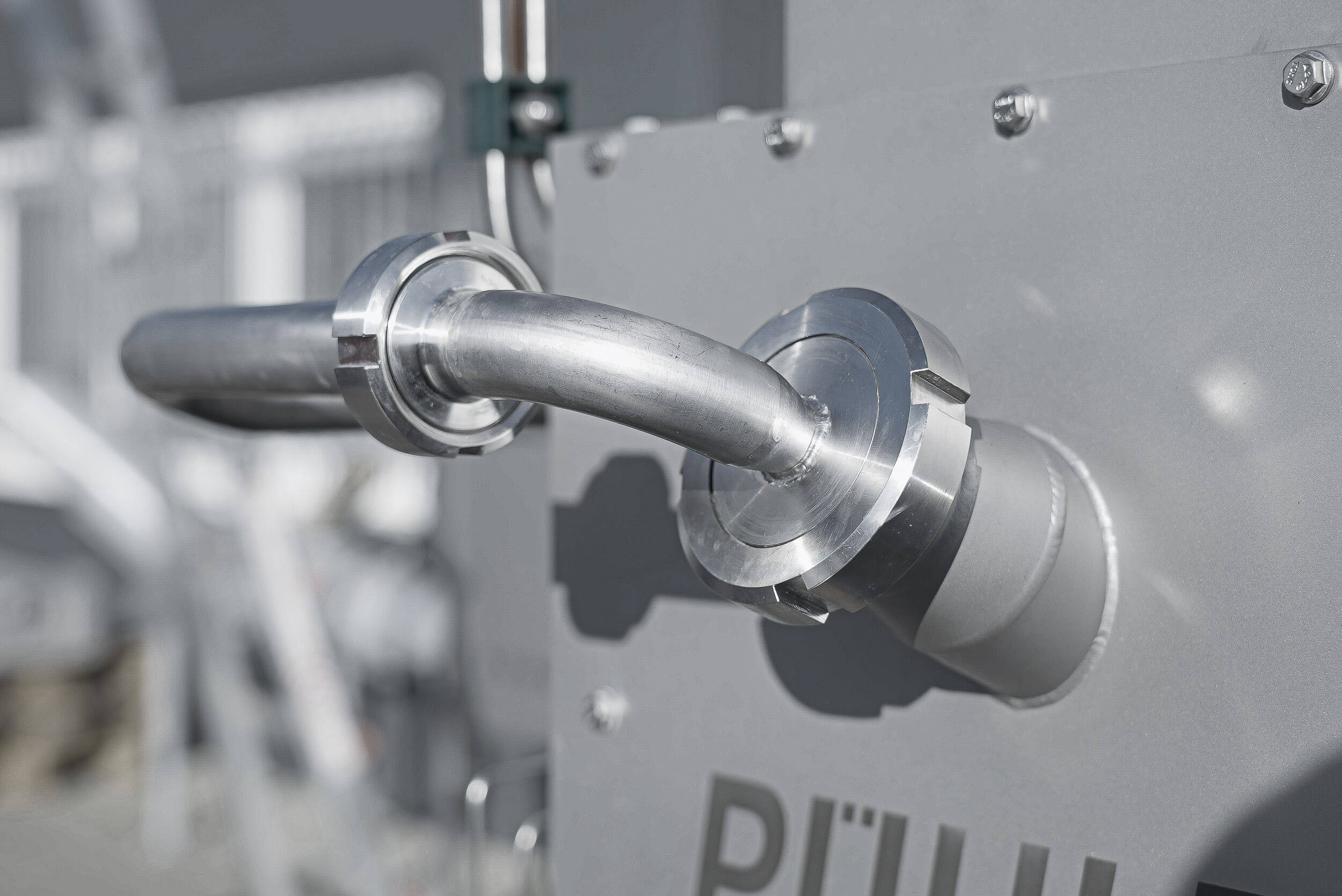
Durable machine design made from high-quality stainless steel
To ensure maximum durability, the machines in the Hygienic Design series are manufactured from high-quality stainless steel. This provides reliable protection against wear and corrosion for both the machine body and the control cabinet.
Clean, dimensionally stable moulded parts thanks to the slide plate
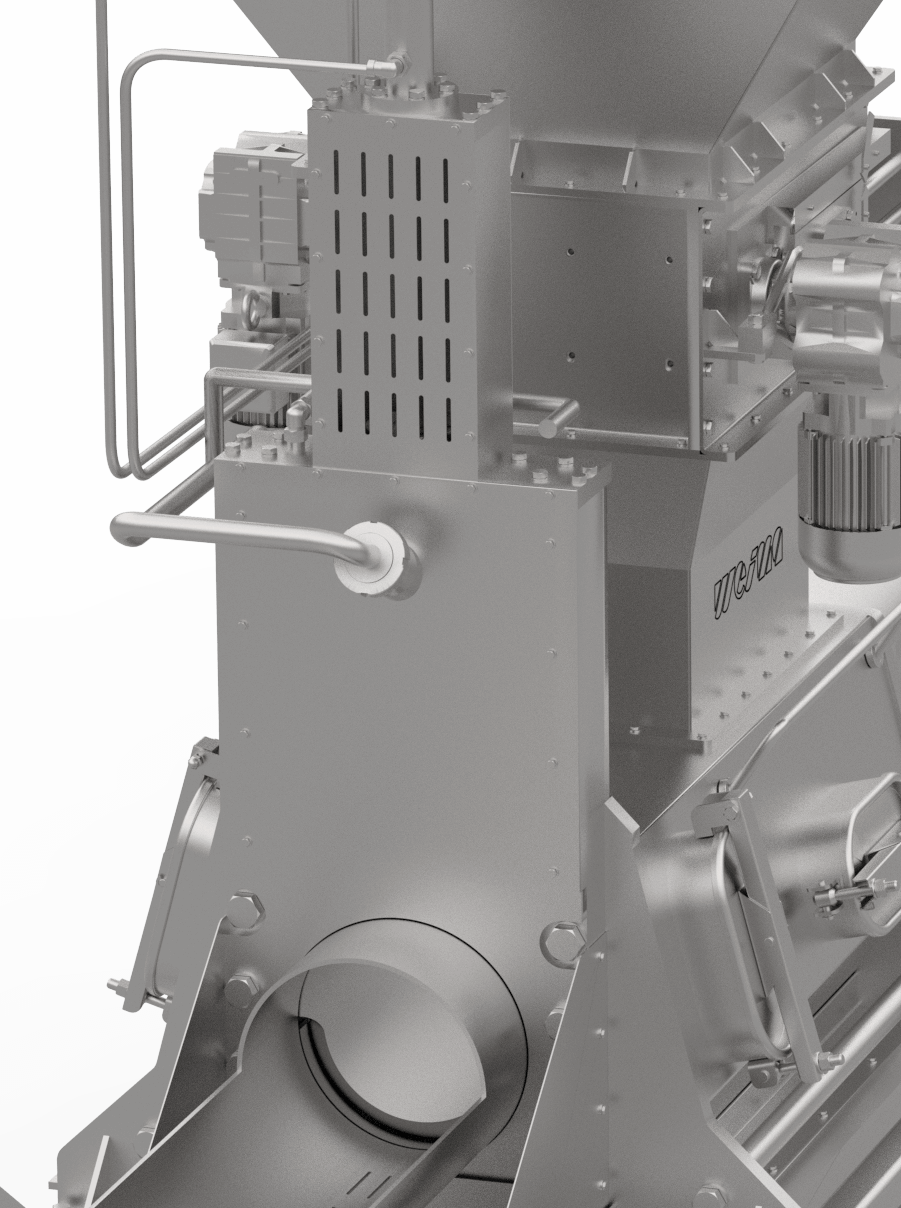
To produce highly compacted, virtually dry pellets, the material is compressed between the press ram and a hydraulically movable slide plate. Once the pressing process is complete, the slide plate lifts, exposing the discharge pipe for ejection.
This principle enables a particularly high degree of compaction whilst maintaining a high throughput. The robust, mechanically stable design is easy to maintain and resistant to contaminants and wear.
Minimised downtime thanks to a fully automatic cleaning system
The integrated cleaning system enables fully automatic cleaning of the dewatering press. The hygienic design version is rinsed via internal nozzles at a cleaning rate of up to 20,000 l/h. The control software precisely regulates the entire cleaning process.