

What are you looking for?
Explore all WEIMA solutions
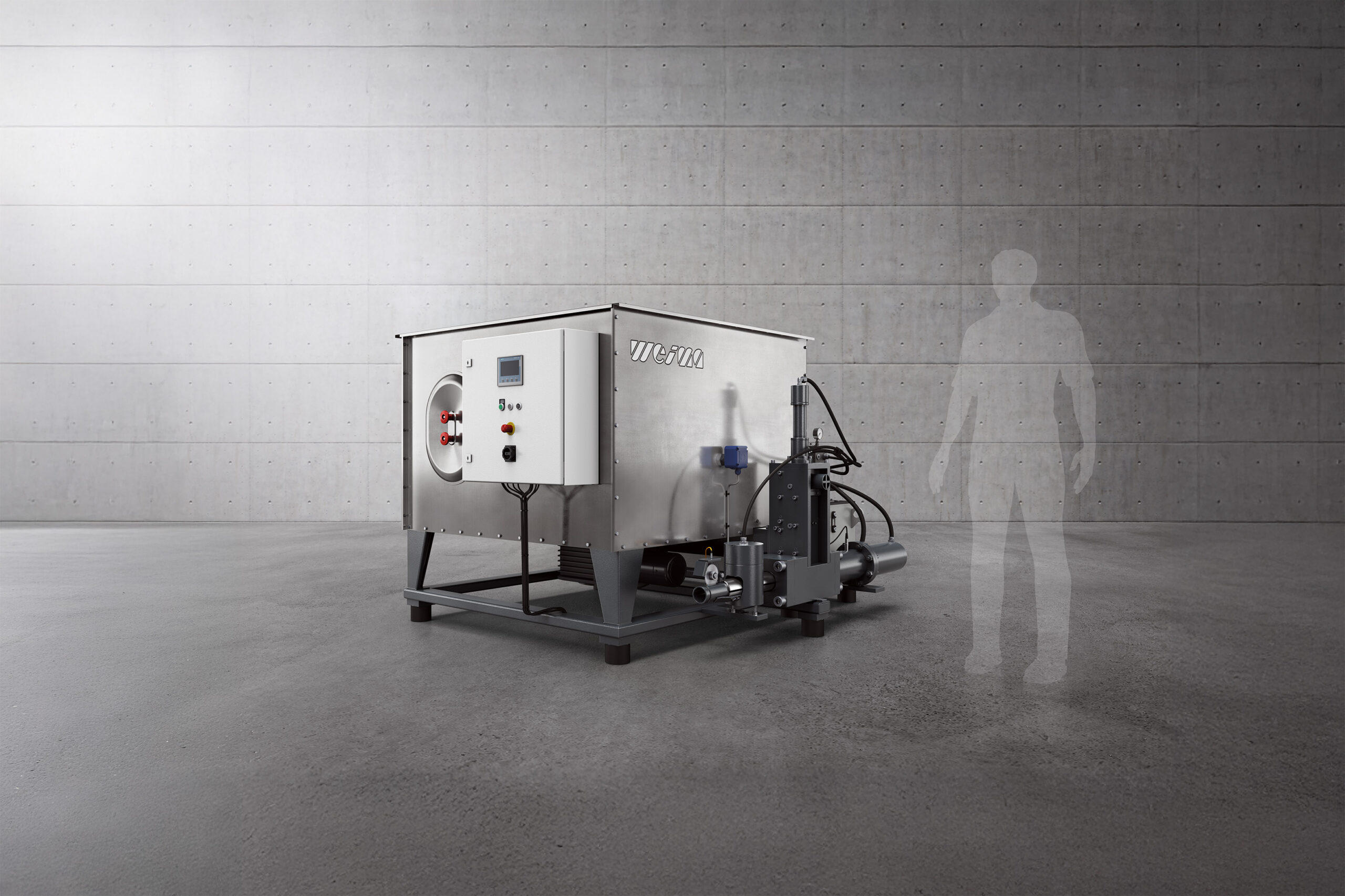
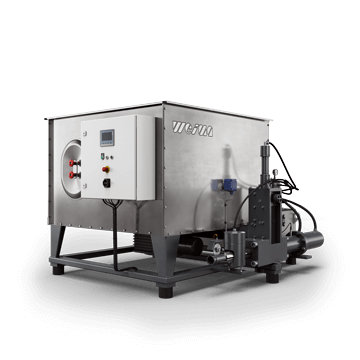
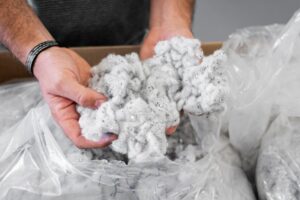
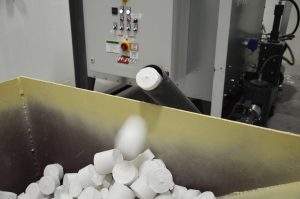
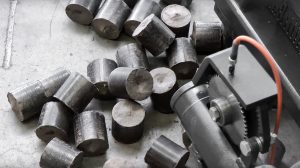
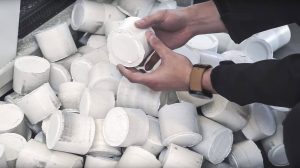
The WEIMA TH 514/520 briquetting press is the compact entry-level model in the TH Standard series and is designed for use by wood-processing businesses and companies dealing with wood dust, paper dust, plastic or light metal shavings to hydraulically compress production residues into high-strength briquettes with a diameter of 50 mm. With a throughput capacity of approx. 80 kg/h, the machine offers a robust, space-saving solution for industrial briquetting that can be flexibly integrated into existing production lines and, thanks to its vibration-damped base frame construction, can be operated without floor anchoring.
The hydraulic control system and Siemens PLC ensure consistent briquette quality, whilst the enclosed pre-compaction chamber reduces dust emissions and enhances operational safety. Ideal for small to medium material volumes in wood, paper and plastics processing plants.
Below you will find an overview of the technical details, equipment options and integration possibilities for the respective machine.
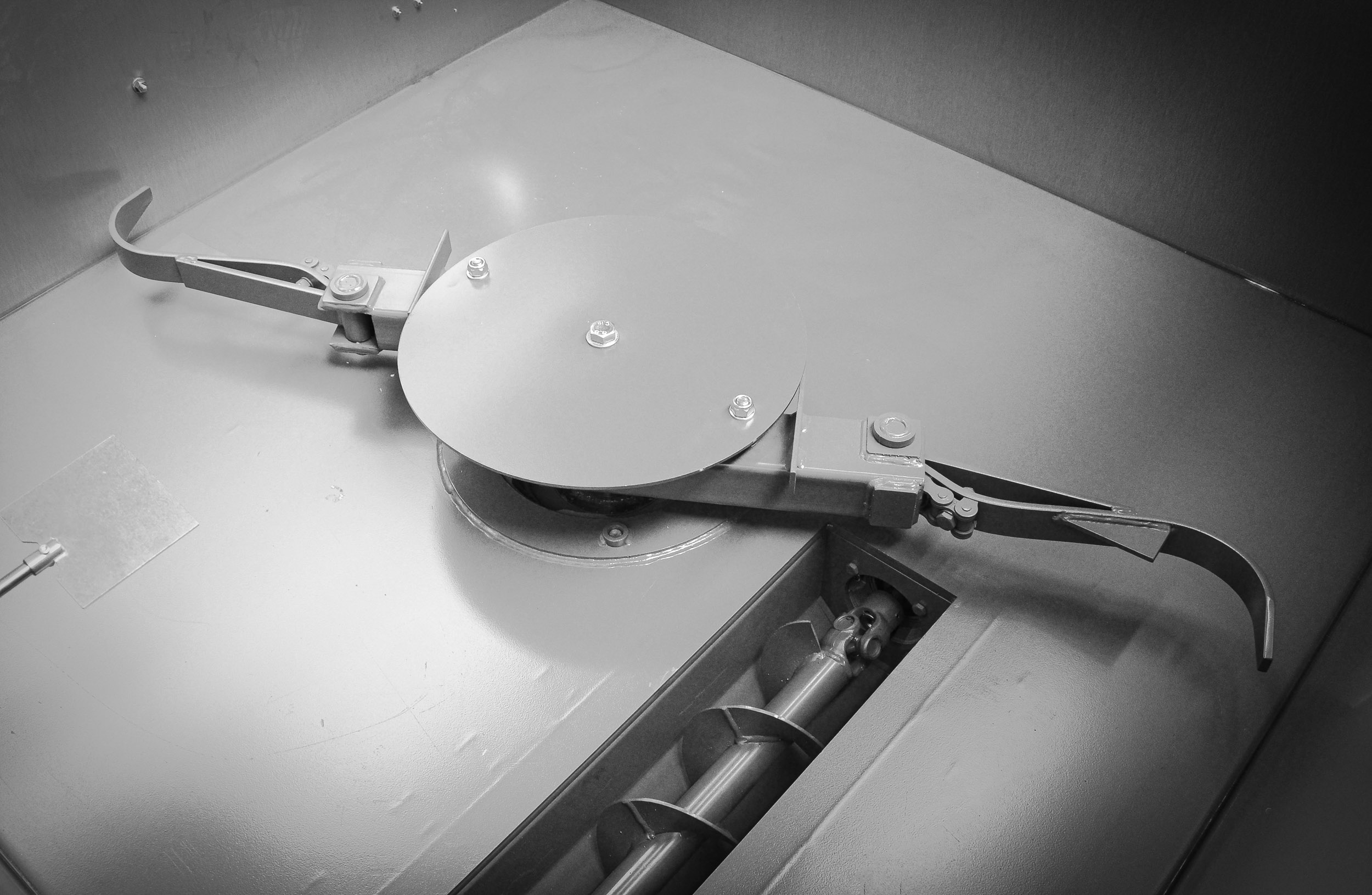
High process reliability thanks to a contaminant-resistant screw conveyor
The material feed remains reliable even with contaminated material streams. To achieve this, the feed screw to the pre-compactor is suspended on a universal joint, ensuring that contaminants do not directly transmit mechanical stress peaks into the screw. This reduces the risk of damage during operation and increases the availability of the briquetting press. For specific applications, such as in the metal industry, alternative mounting concepts can also be implemented.
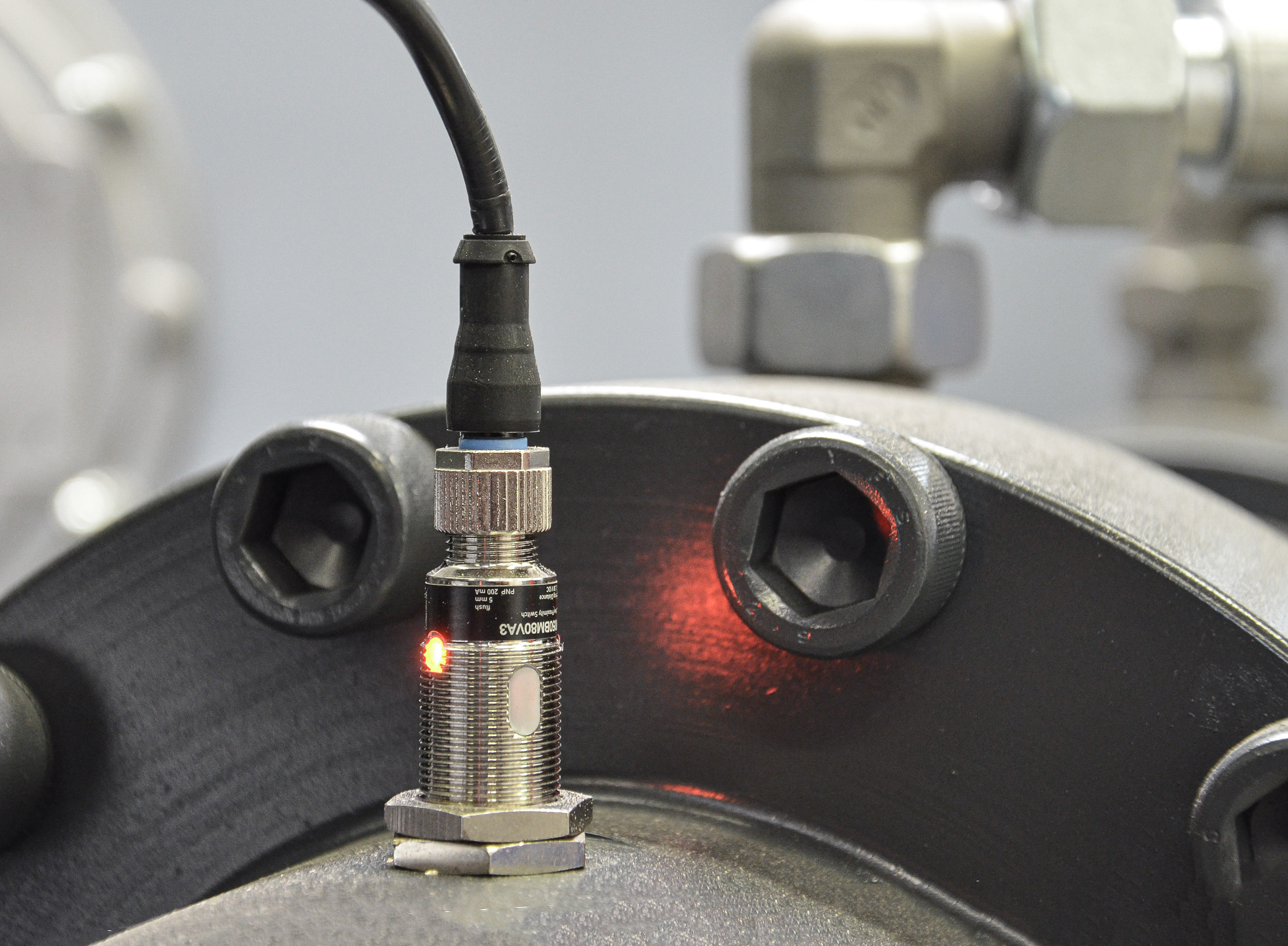
Precise pressing process thanks to contactless cylinder control
The machine operates with precisely defined cylinder movements throughout the entire pressing cycle. Electrical control is provided by non-contact proximity switches with clearly defined end positions at the front and rear. This ensures that movements are repeatable and cause minimal wear. This improves process stability whilst reducing maintenance requirements during continuous industrial use.

Flexible integration thanks to a modular machine design
The briquetting press can be adapted to a variety of installation and production conditions. The press unit, hydraulics, hoppers and accessories can be combined in a modular fashion and spatially adapted to the existing plant layout. Virtually any configuration is possible, such as combining a press and hydraulic unit installed indoors with an outdoor chip container, or an oil cooling system for use in multi-shift operation. To increase throughput and availability, Duo, Trio or Quattro versions are also available.
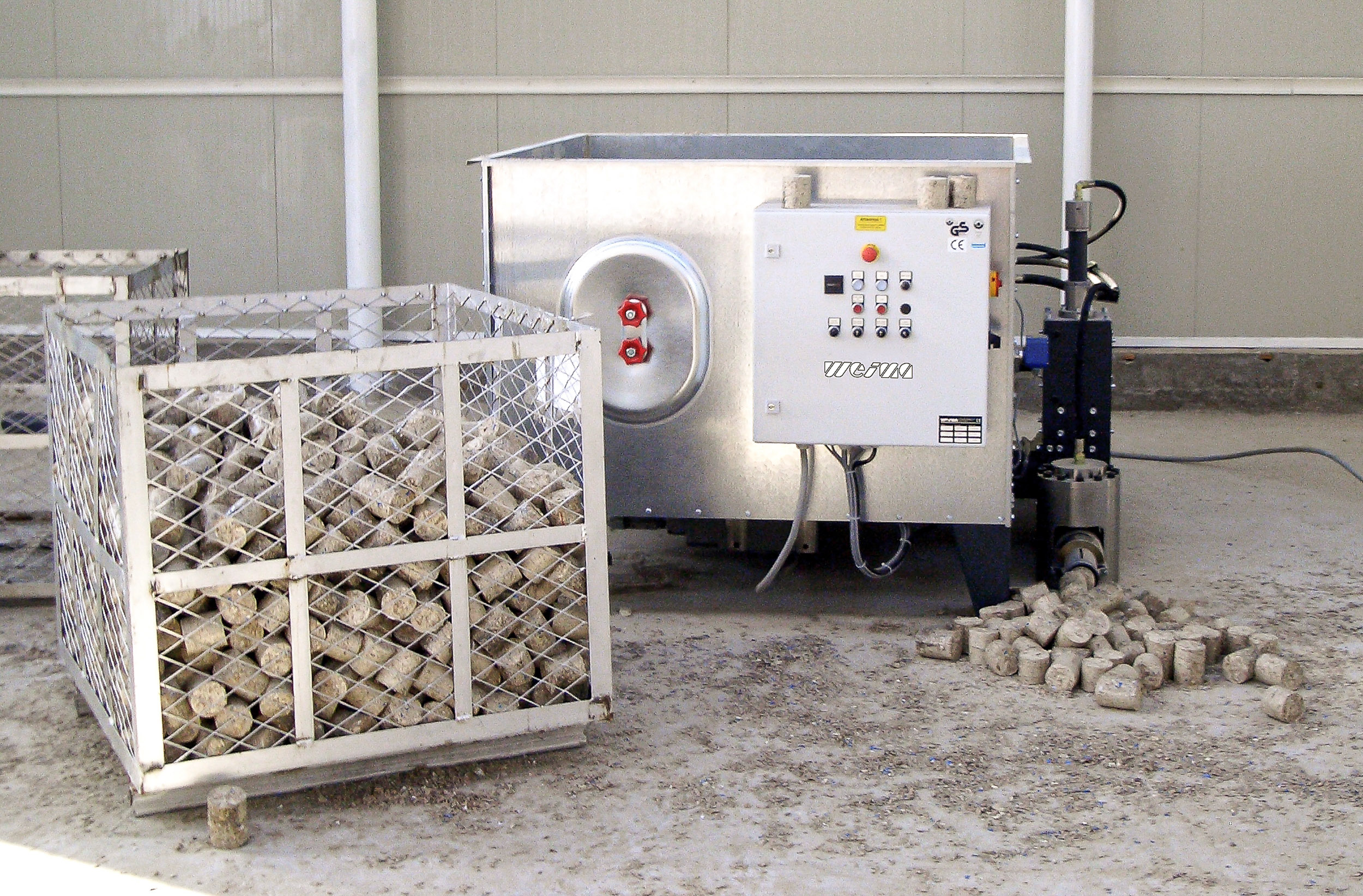
Material buffering tailored to requirements through variable container sizes
Material storage can be adapted to the specific throughput and the desired level of automation. For the TH Standard series, three hopper sizes up to 2,000 x 2,000 mm are available, with the option of positioning the press and hydraulic unit on the left or right-hand side. Optionally, the feed hopper can be fitted with a level monitoring system. This enables automatic operation with controlled shutdown should the fill level become too low.
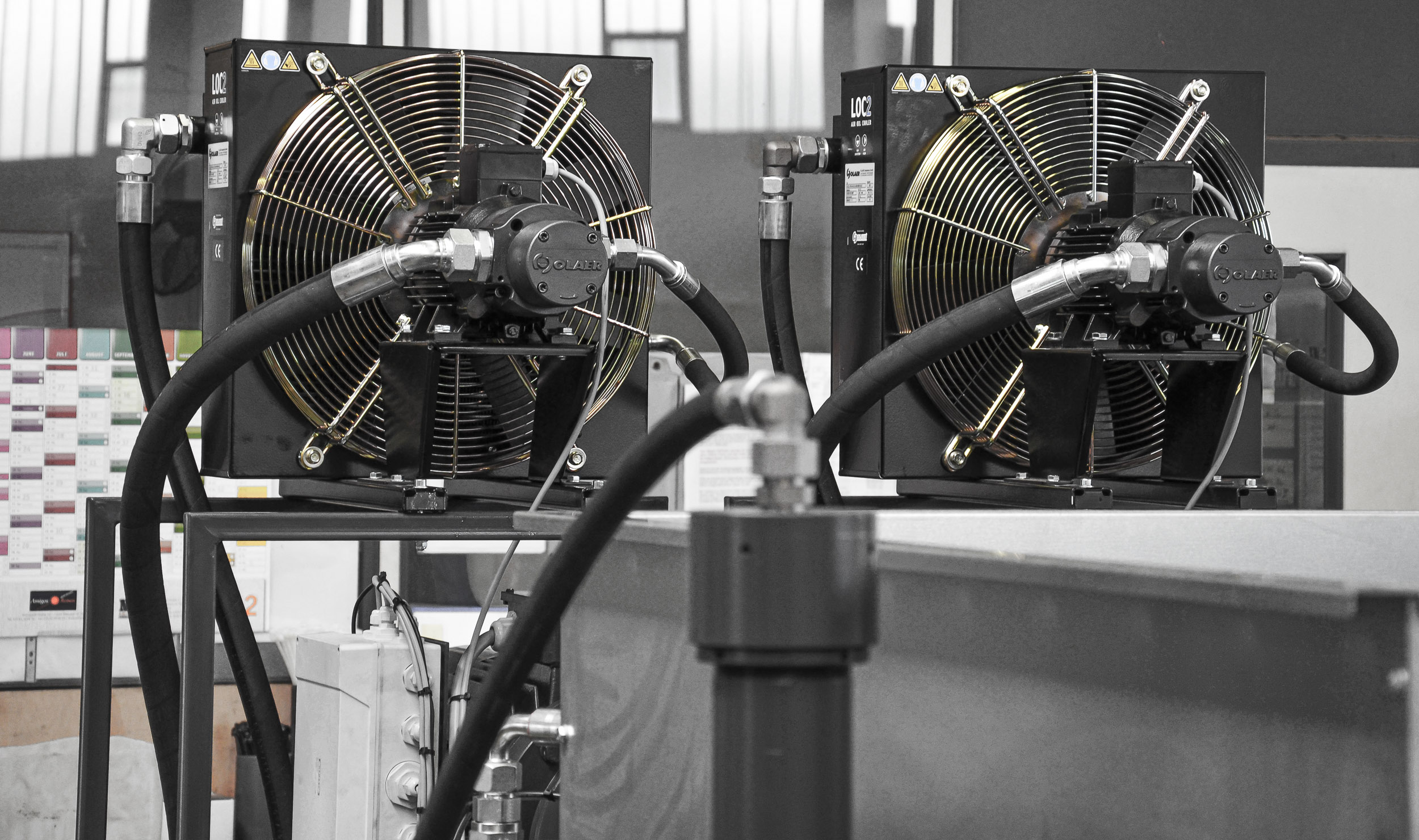
Long operating times thanks to optional oil cooling
The machine is designed to operate under thermally stable conditions, even under heavy loads. An optional air or water cooling system compensates for temperature fluctuations in the hydraulic oil and keeps the oil temperature within the permissible range, even during three-shift operation. In addition, a safety switch protects the hydraulic system from overheating. This enhances operational reliability and supports continuous operation over long periods.
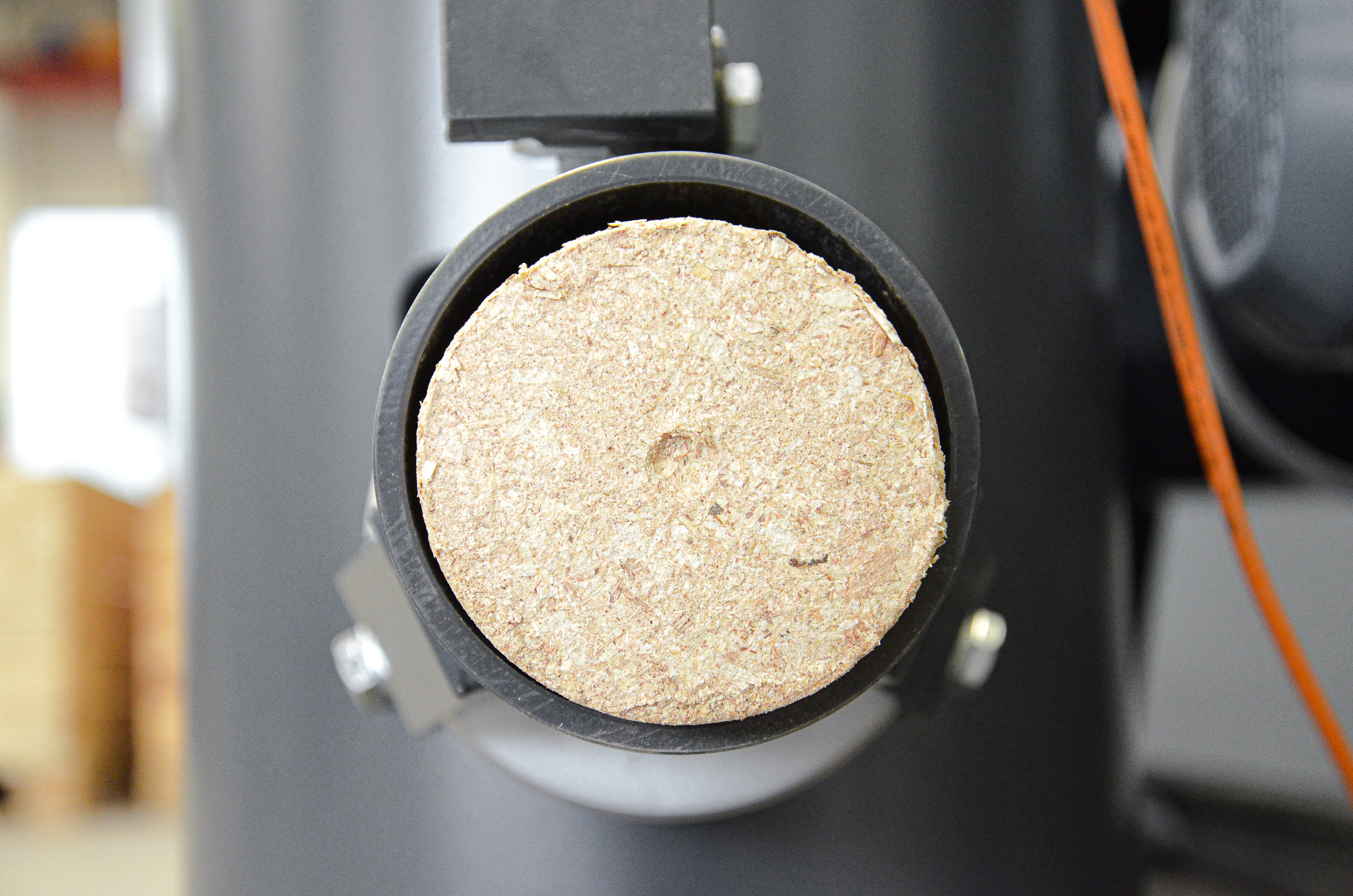
High-quality briquettes thanks to robust pliers technology
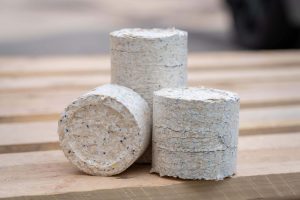
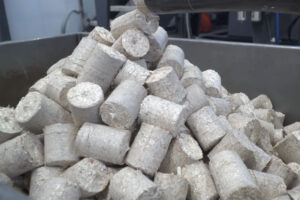
The press produces high-strength, round briquettes with a consistent diameter of 50 mm. To achieve this, a hydraulically controlled press clamp with a specially hardened press cylinder operates at the front of the press mechanism. The system is designed to withstand continuous loads and ensure uniform compaction. In operation, this results in reliable briquette quality and a robust process design suitable for a wide range of applications.
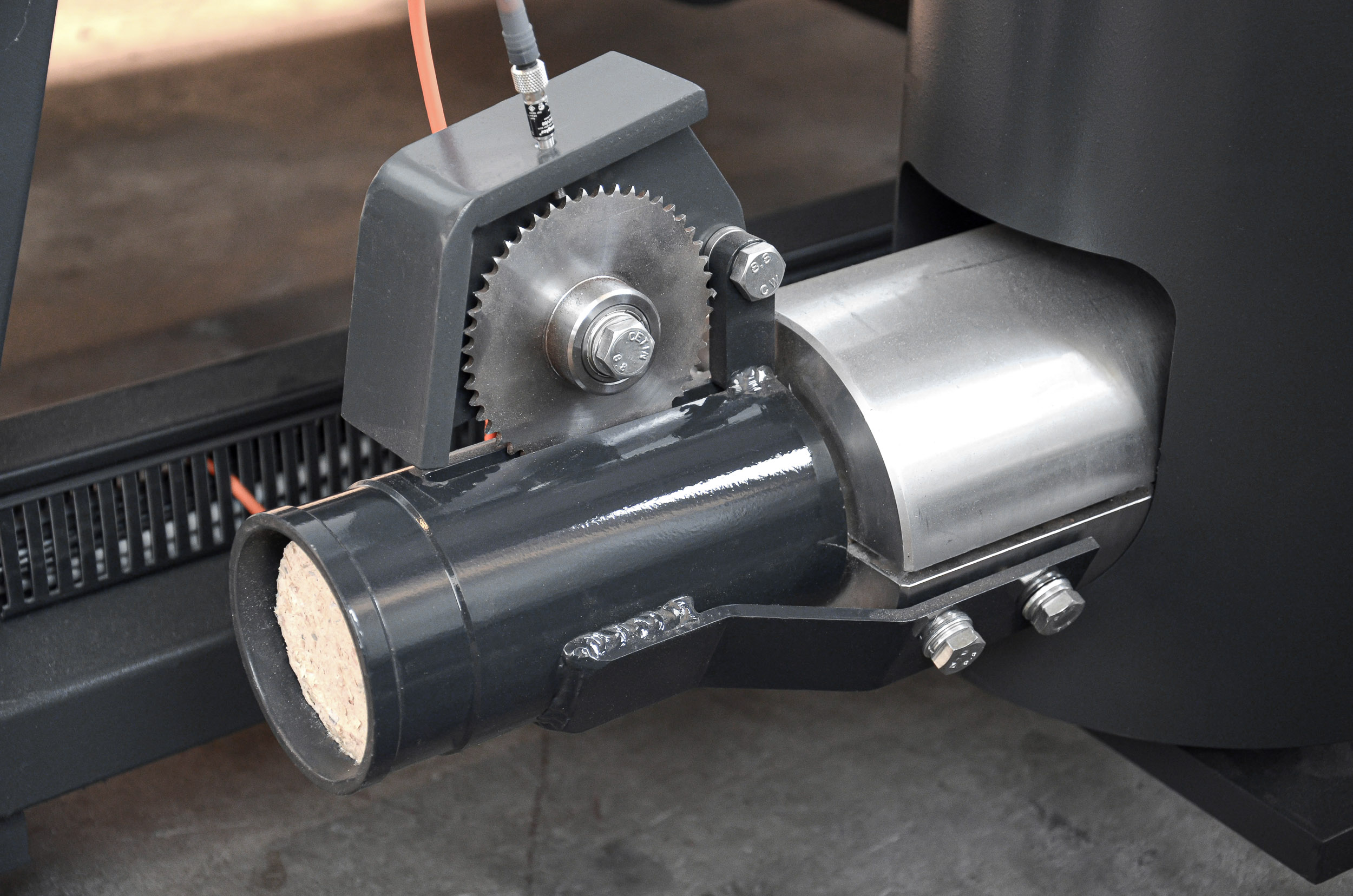
Consistent briquette length thanks to automatic length monitoring
The briquette geometry remains consistent even when material properties vary. The briquette length can be adjusted individually and is monitored as standard by a proximity switch. This ensures that the desired length is maintained at all times and reliably guarantees the quality of the briquettes. This simplifies downstream processes and ensures a uniform appearance of the discharged material.
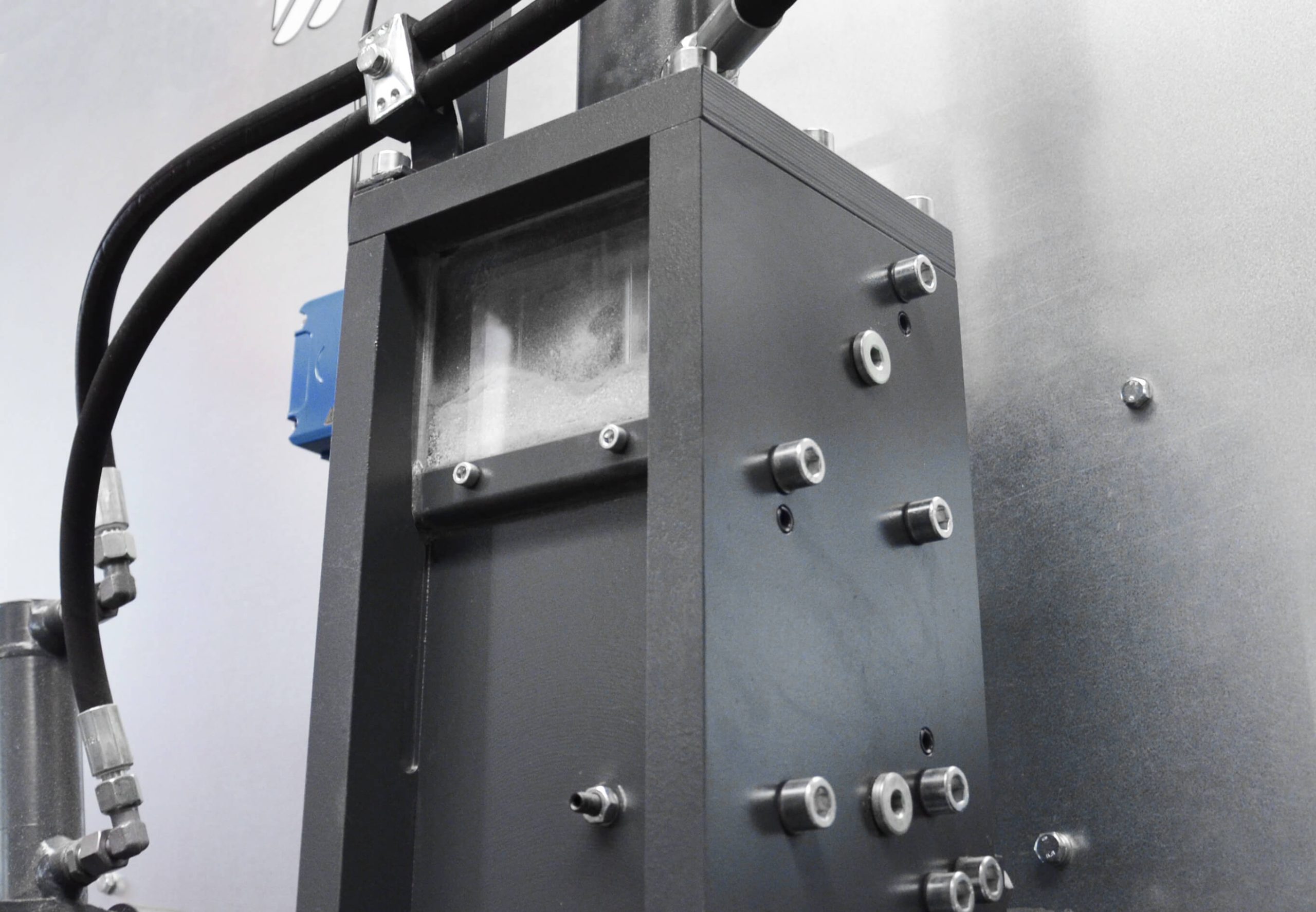
Clean operation thanks to closed pre-compaction
Even before the actual pressing process begins, the loose material is compacted in a controlled manner. A filling slide in the filling tower performs vertical pre-compaction and ensures an initial reduction in volume within a closed system. This effectively limits the release of dust. In an industrial setting, this improves working conditions and enhances operational safety when handling dust-intensive materials.
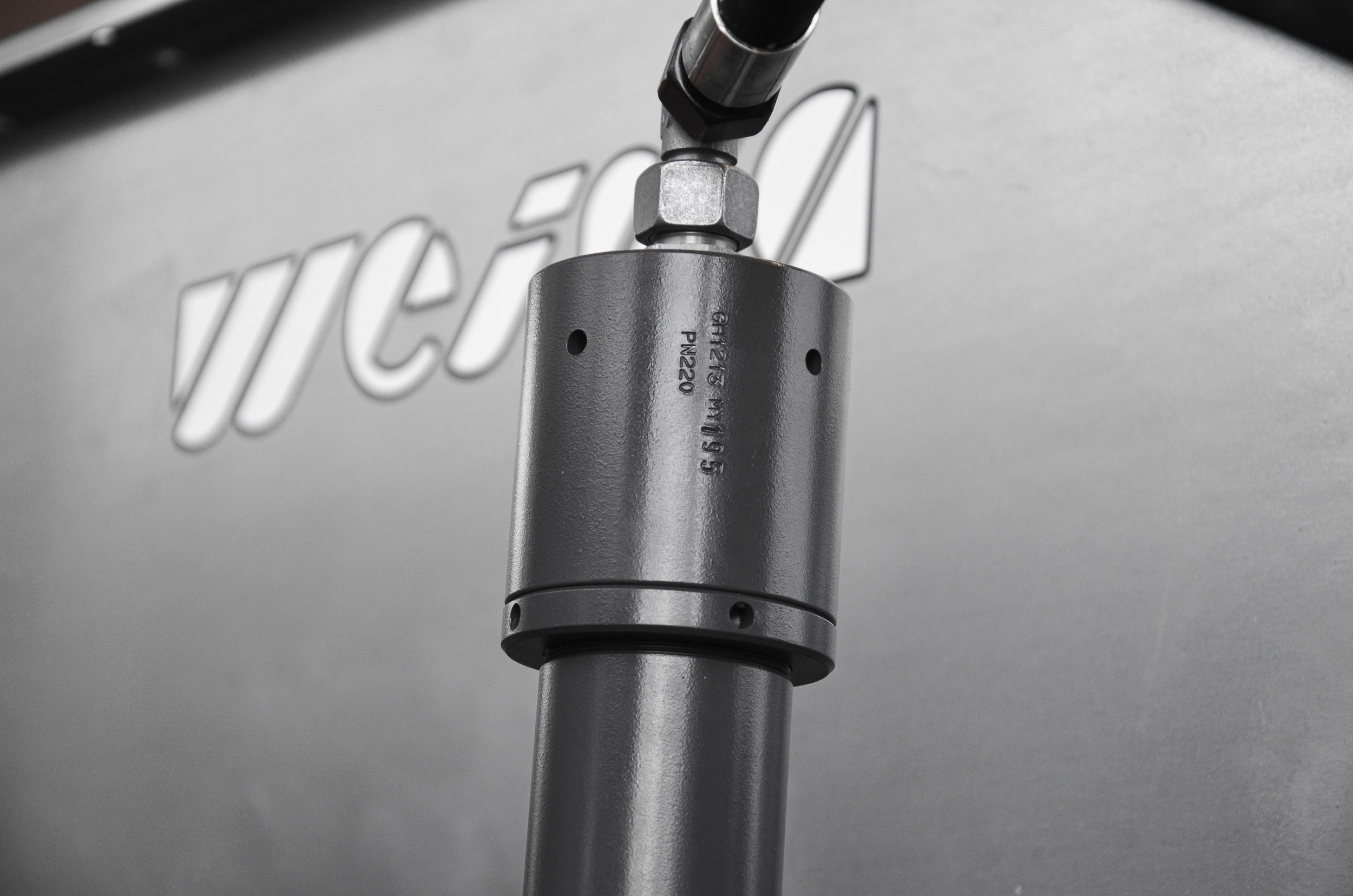
Smooth machine operation thanks to damped hydraulic cylinders
The mechanical stress on the moving assemblies is specifically reduced. To this end, the hydraulic cylinders are fitted with end-of-stroke damping, which effectively controls the deceleration of rapid reverse movements in particular. This minimises impact loads during the pressing cycle and reduces the stress on the components. This has a positive effect on the machine’s service life and ensures smooth, reliable operation.
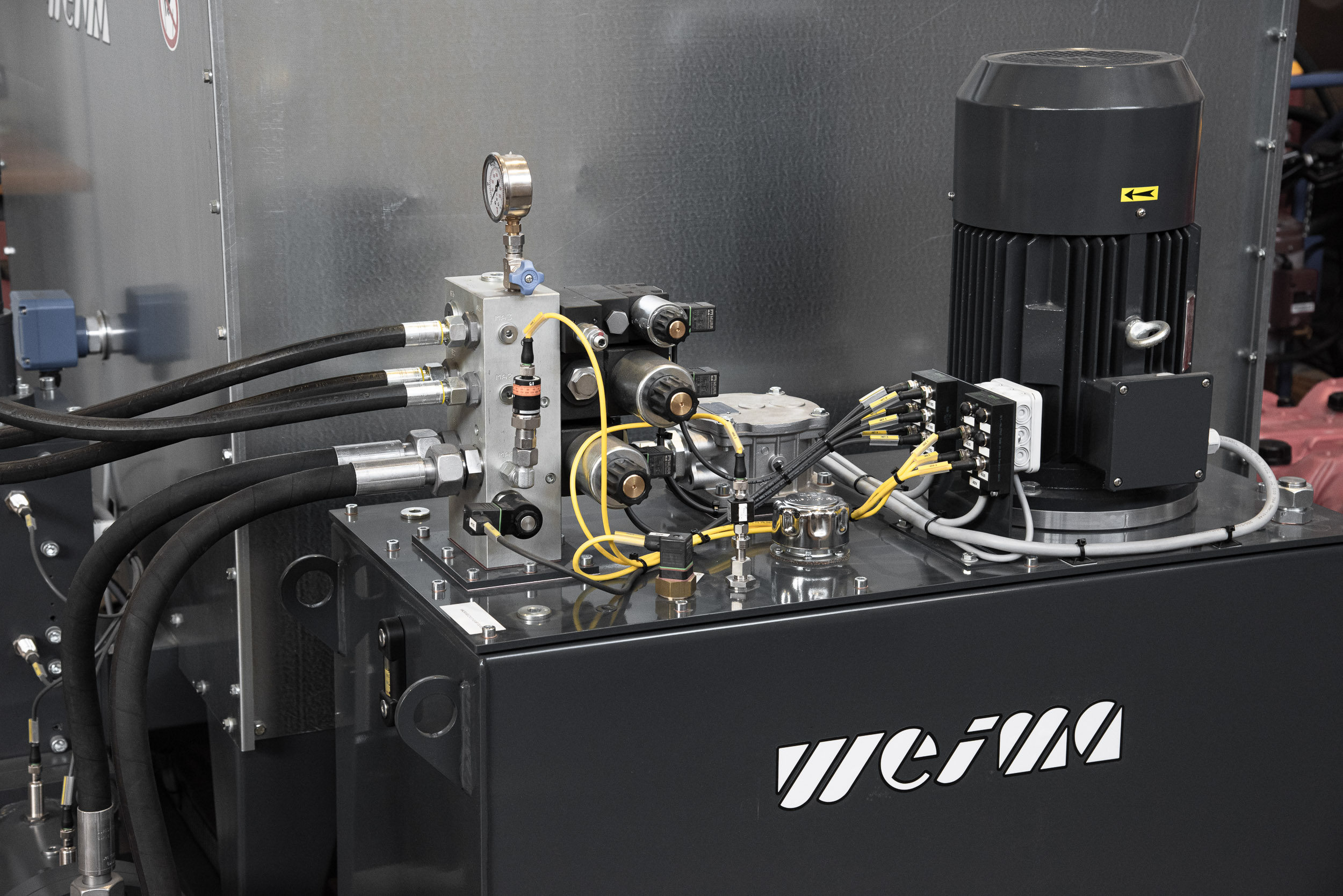
Compact hydraulics thanks to a temperature-controlled unit
The hydraulic system is designed to be space-saving whilst being engineered for stable operating conditions. The unit features a separate oil tank, pump motor and a complete valve control system, all arranged in a compact layout directly adjacent to the material hopper. Temperature monitoring ensures controlled operation over long periods of use. For the user, this means efficient machine integration combined with a clear and straightforward system layout.
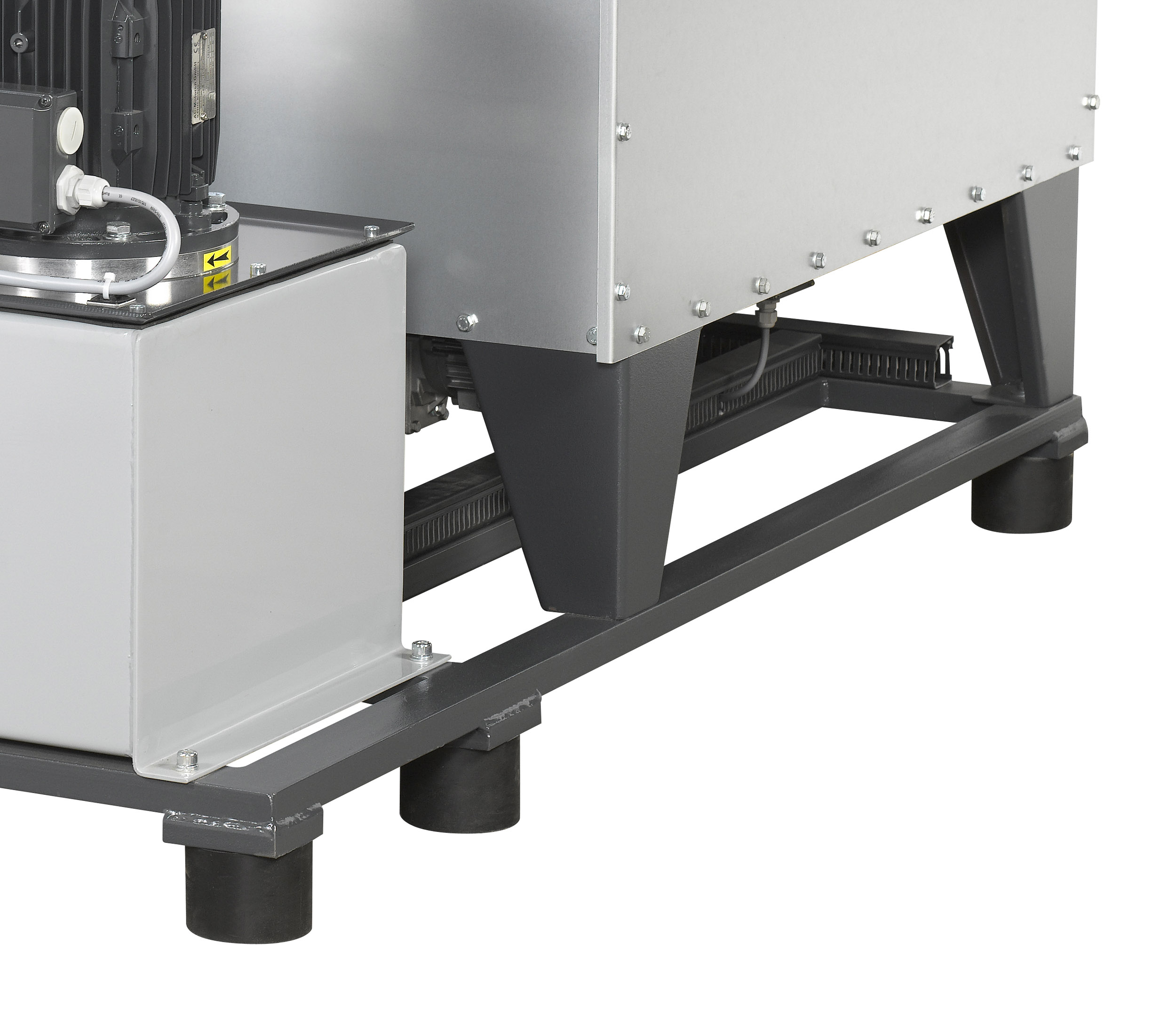
Stable footing thanks to a vibration-dampened base frame
The machine can be set up securely and is easy to install. Vibration-damping machine feet made of hard rubber ensure a low-vibration base without the need for floor anchoring. This is complemented by a sturdy, welded base frame with a low profile. This makes installation easier, increases flexibility during integration and improves access for operation and maintenance.
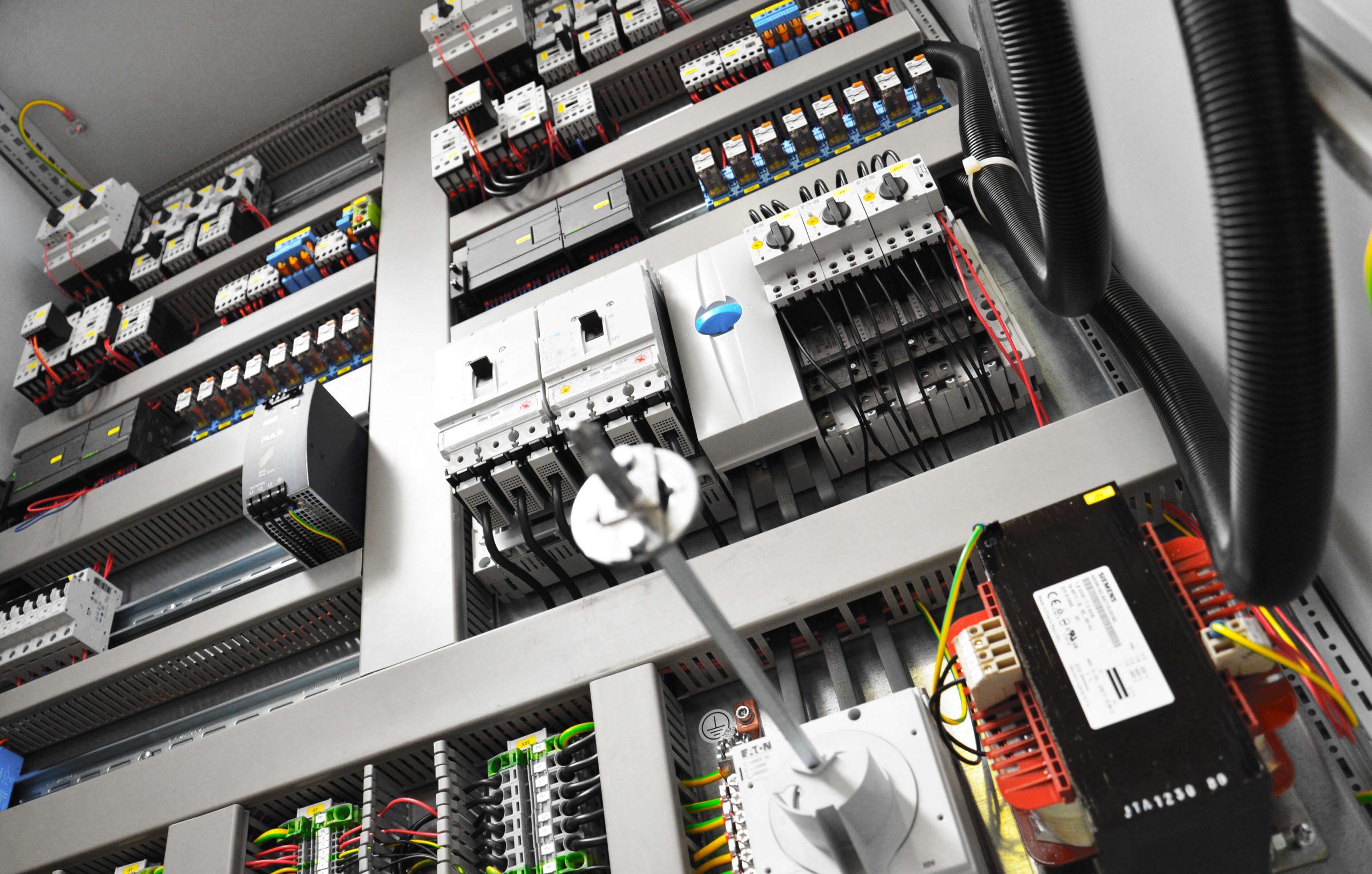
Easy to operate thanks to the Siemens PLC control system
The machine control system is designed to ensure clear and reliable operation. WEIMA manufactures the control cabinets at its Ilsfeld site, combining a compact design with internationally recognised components, including a Siemens PLC. The control system is tailored to the requirements of the briquetting process and supports reliable machine operation. This simplifies operation and provides a robust foundation for everyday industrial use.
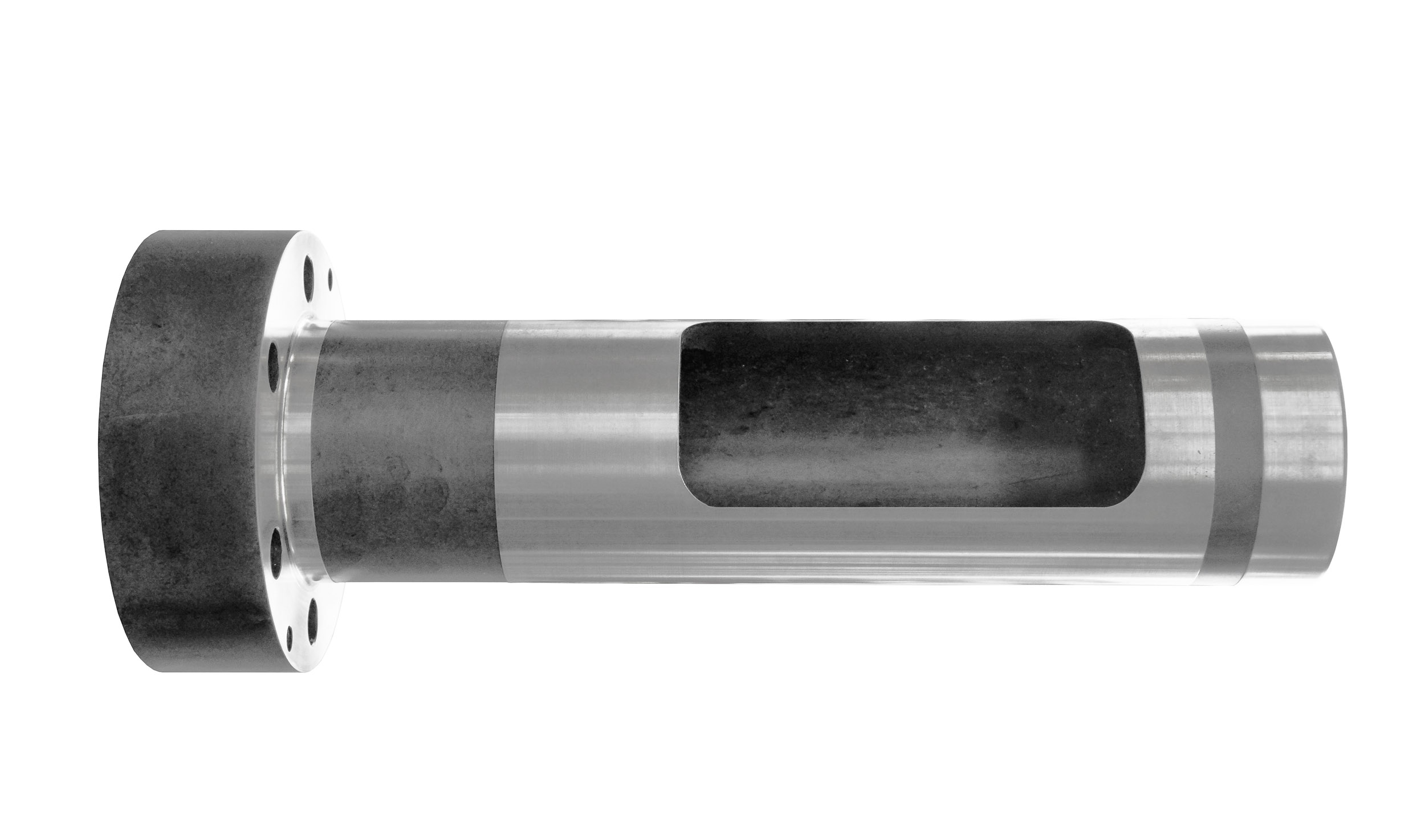
Minimal wear thanks to replaceable protective components
Areas subject to high wear are designed to ensure cost-effective operation. In the pre-compaction stage, bolted, easily replaceable PU plates are used on the filling cylinder, whilst in the compaction chamber a specially hardened wear bushing protects the stressed surfaces. Both components are designed for quick replacement. This reduces downtime and lowers maintenance costs over the entire service life.