



What are you looking for?
Explore all WEIMA solutions
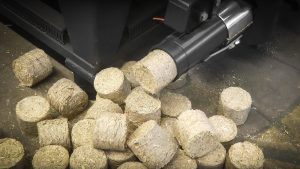
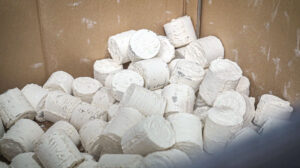
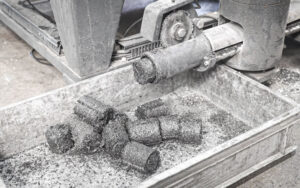
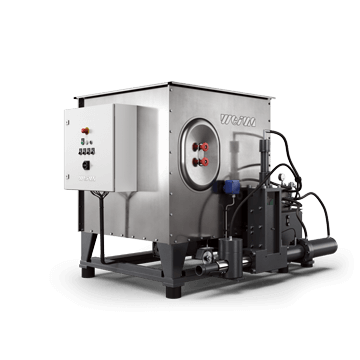
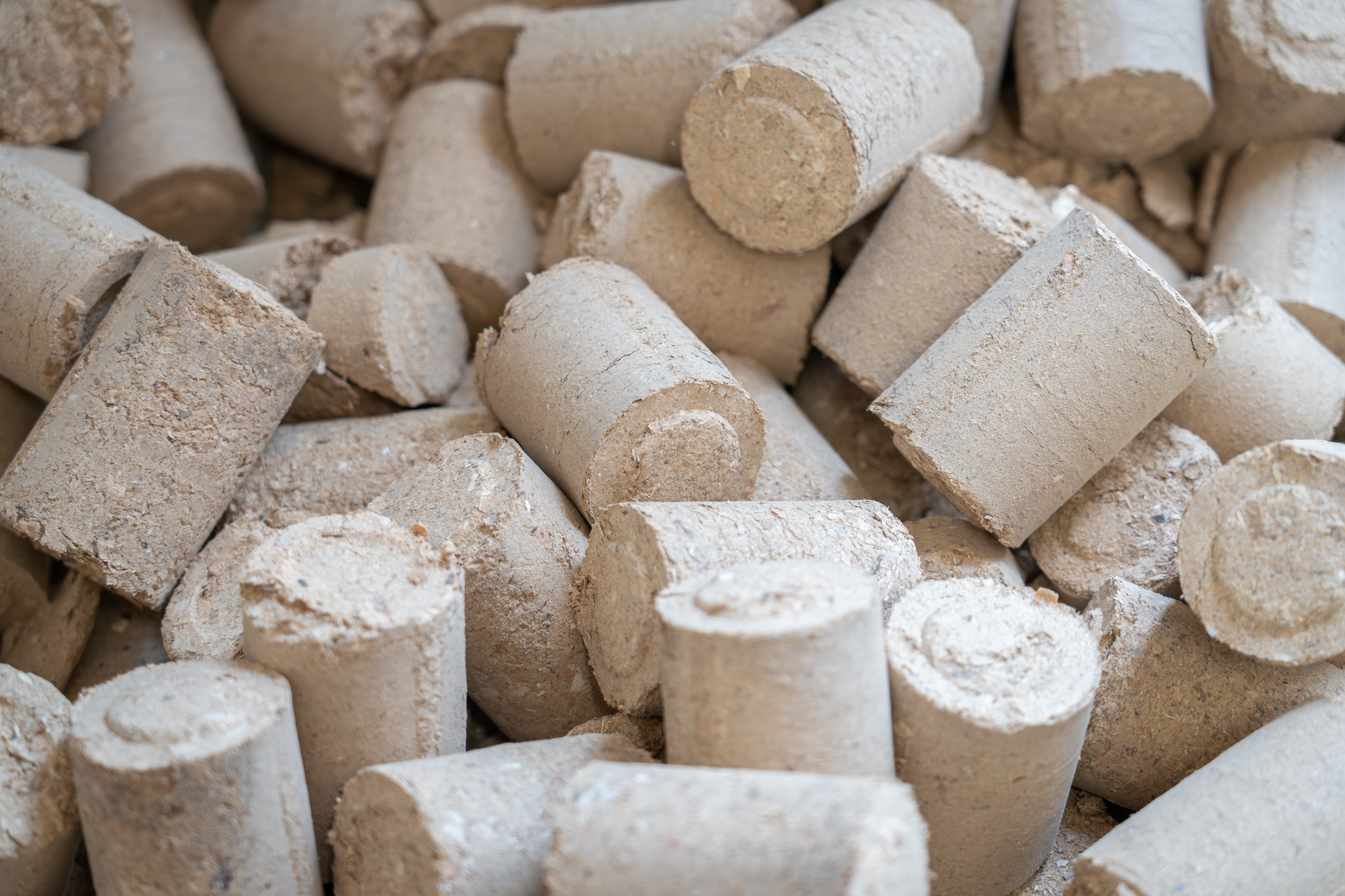
The WEIMA C 140 is the entry-level model in the C series and is ideal for small and medium-sized businesses looking to efficiently compact waste materials. It processes materials such as wood, polystyrene, foam, paper and biomass into dimensionally stable round briquettes with a diameter of 40 mm.
Briquetting significantly reduces the volume of production waste, minimises dust and fire risks, and sustainably lowers storage and transport costs. At the same time, wood or paper briquettes, for example, can be used as fuel for energy purposes – such as for self-supply of heat.
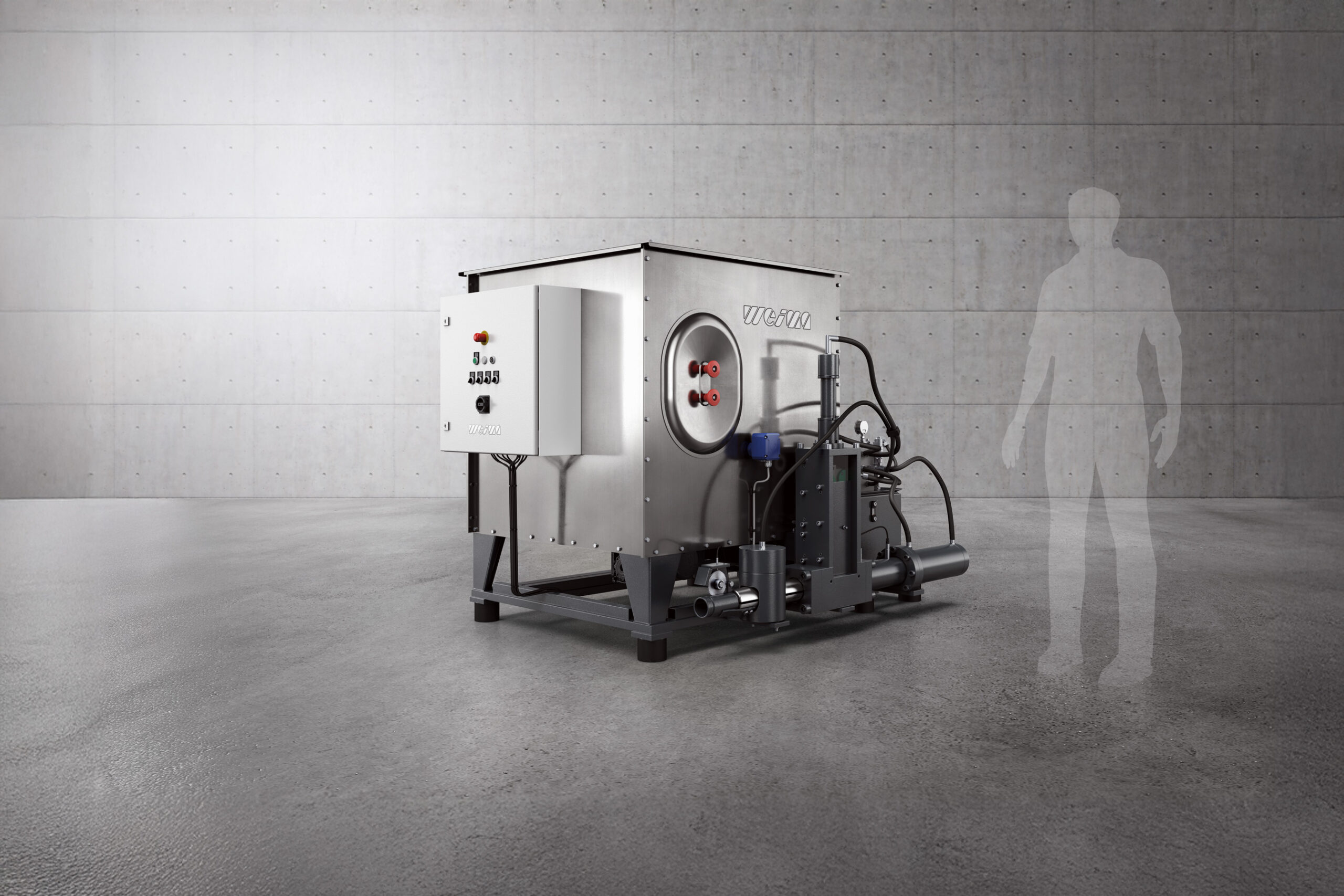
The C 140 impresses with its compact, space-saving design, is available in left- or right-hand versions, and, thanks to its sturdy base frame, can be installed quickly and used flexibly.
It is manufactured entirely in Germany at the Ilsfeld site – ensuring tested quality and durable WEIMA technology.
Spacious hopper for storing materials
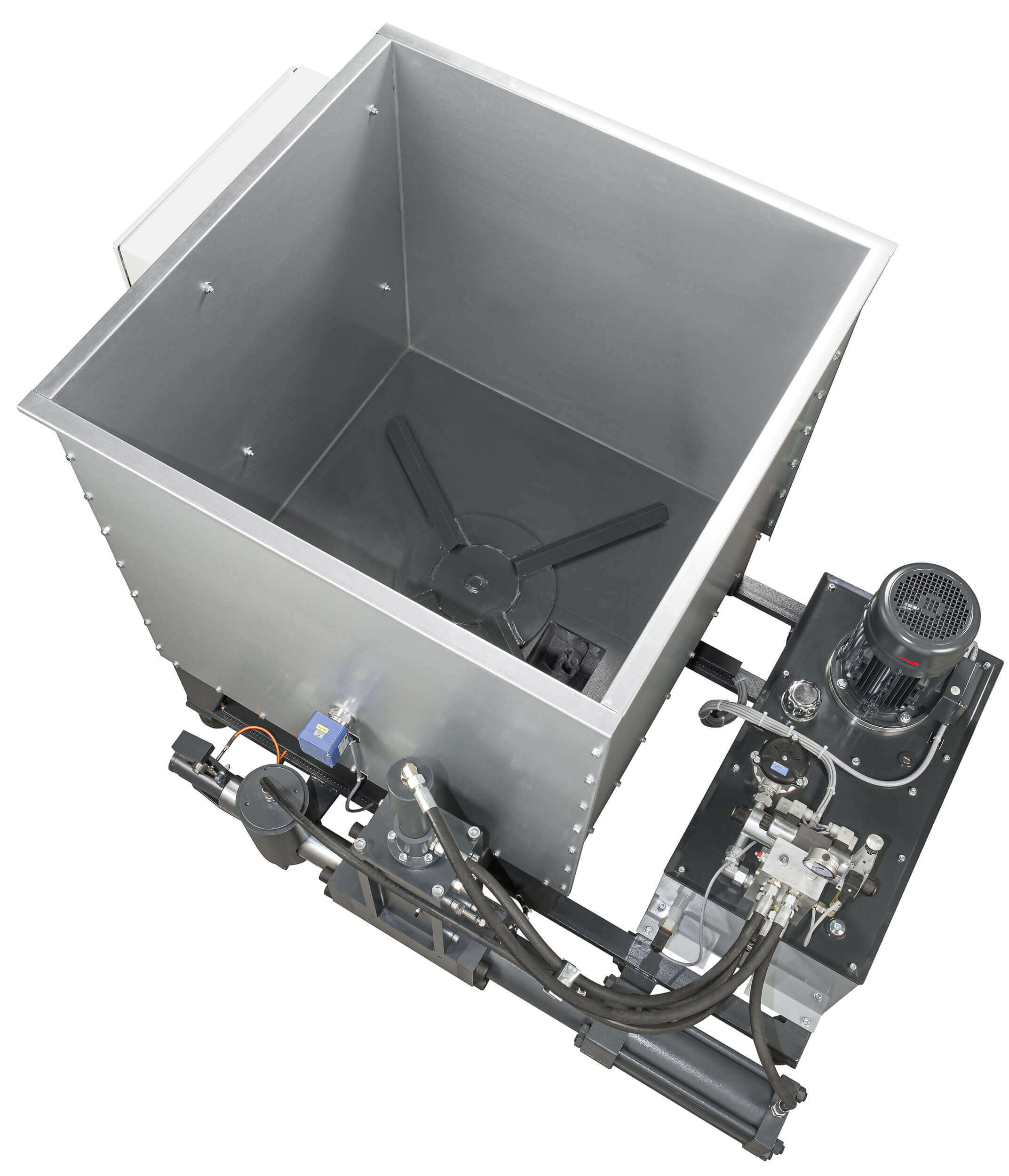
C Series briquetting presses offer a large capacity for the material to be compressed. Depending on space requirements, the press unit and the hydraulic unit can be flexibly installed to the right or left of the hopper. The agitator and the material feed screw are located at the bottom of the hopper. If required, the hopper can be fitted with a level monitoring system which automatically switches off the briquetting press as soon as the material level falls below a defined quantity.
Robust hydraulic system with a separate oil tank
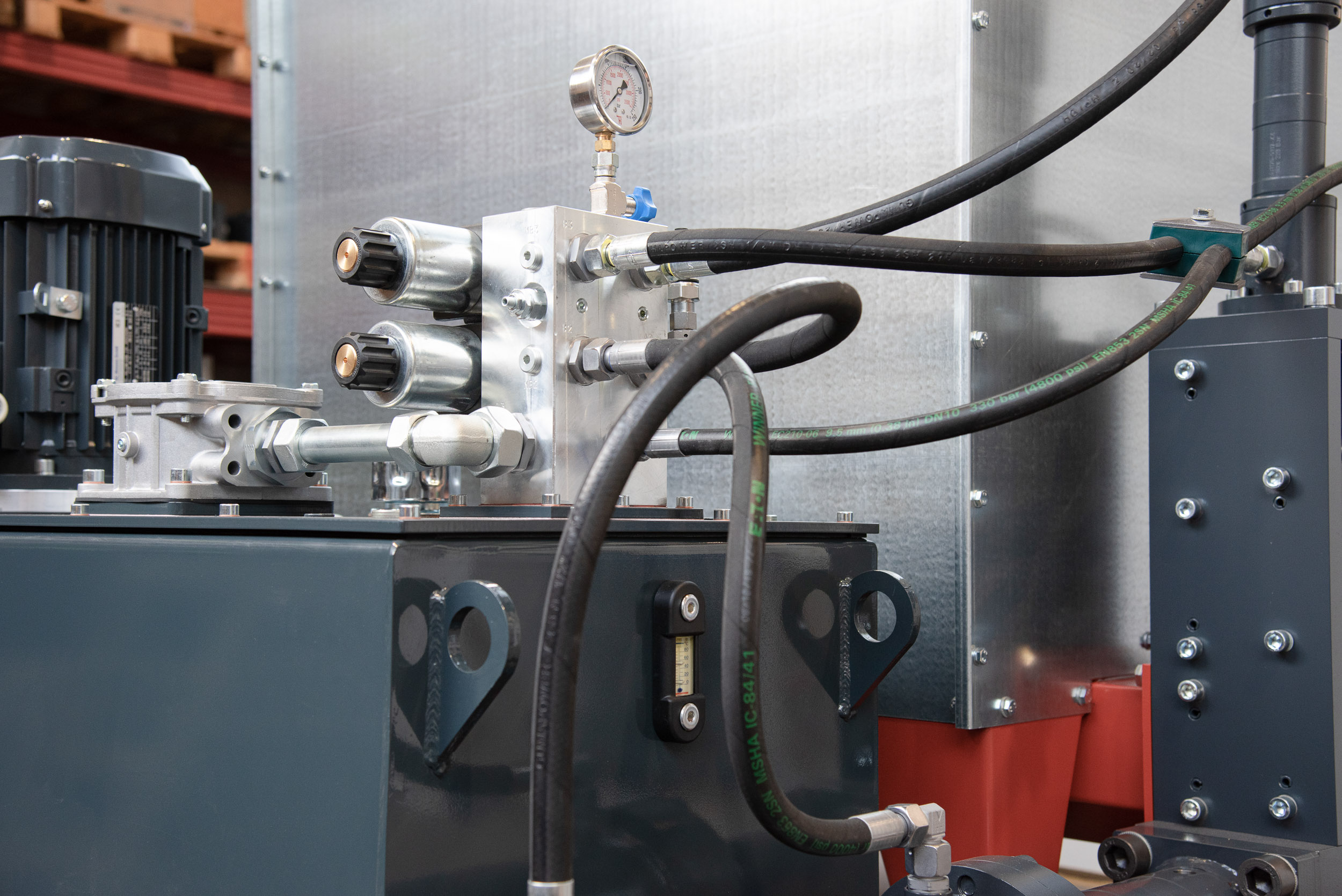
The compact hydraulic unit is located right next to the feed hopper. It is temperature-controlled. The pump motor is designed for long operating times.
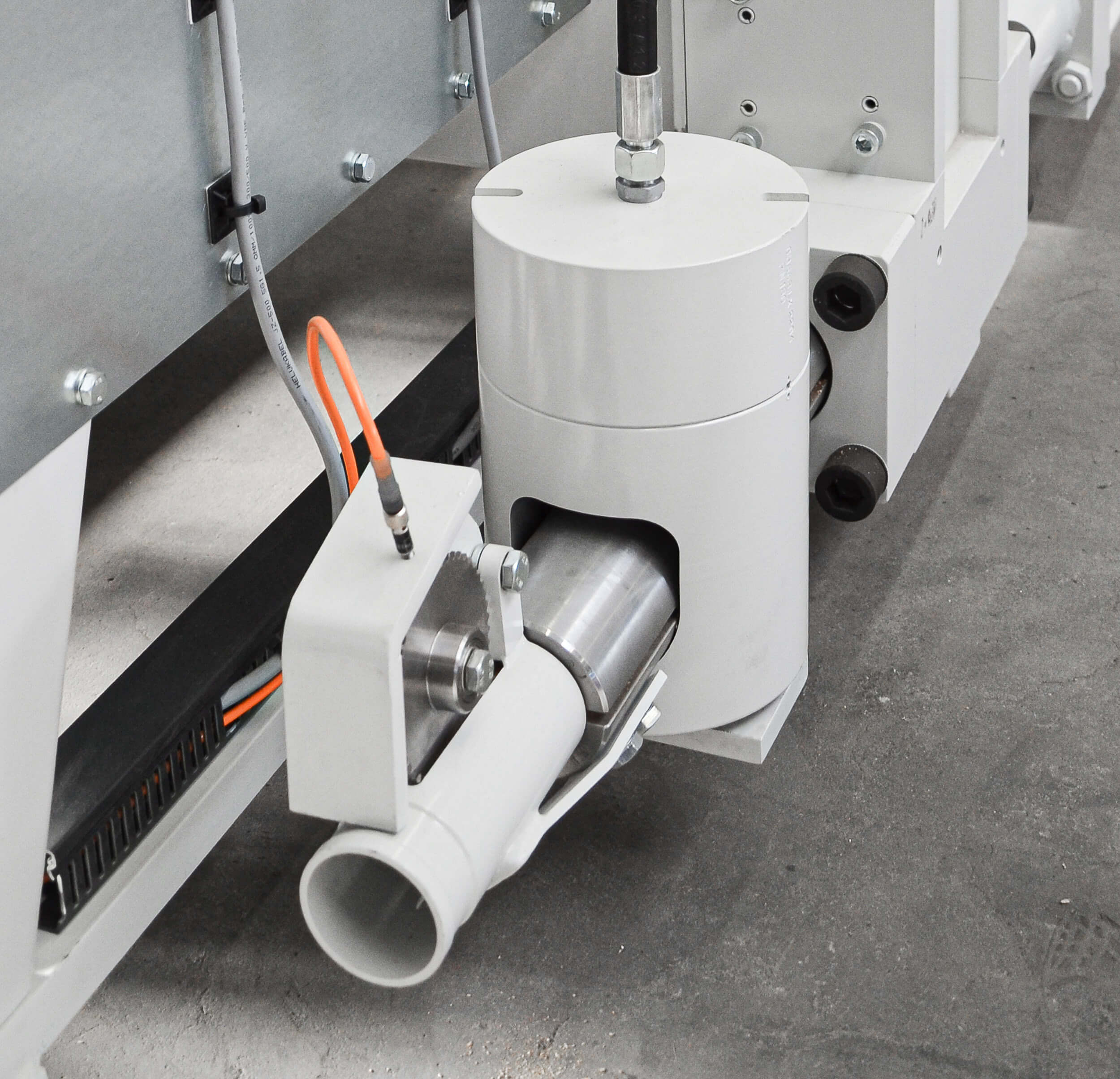
Proven tong technology for high-strength round briquettes with a diameter of 40 mm
The extremely wear-resistant, chrome-plated press tongs are surrounded by a hydraulic closing cylinder. They hold the briquette produced by the press cylinder in place during the pressing process. To do this, both halves of the tongs are closed and then opened again during discharge.
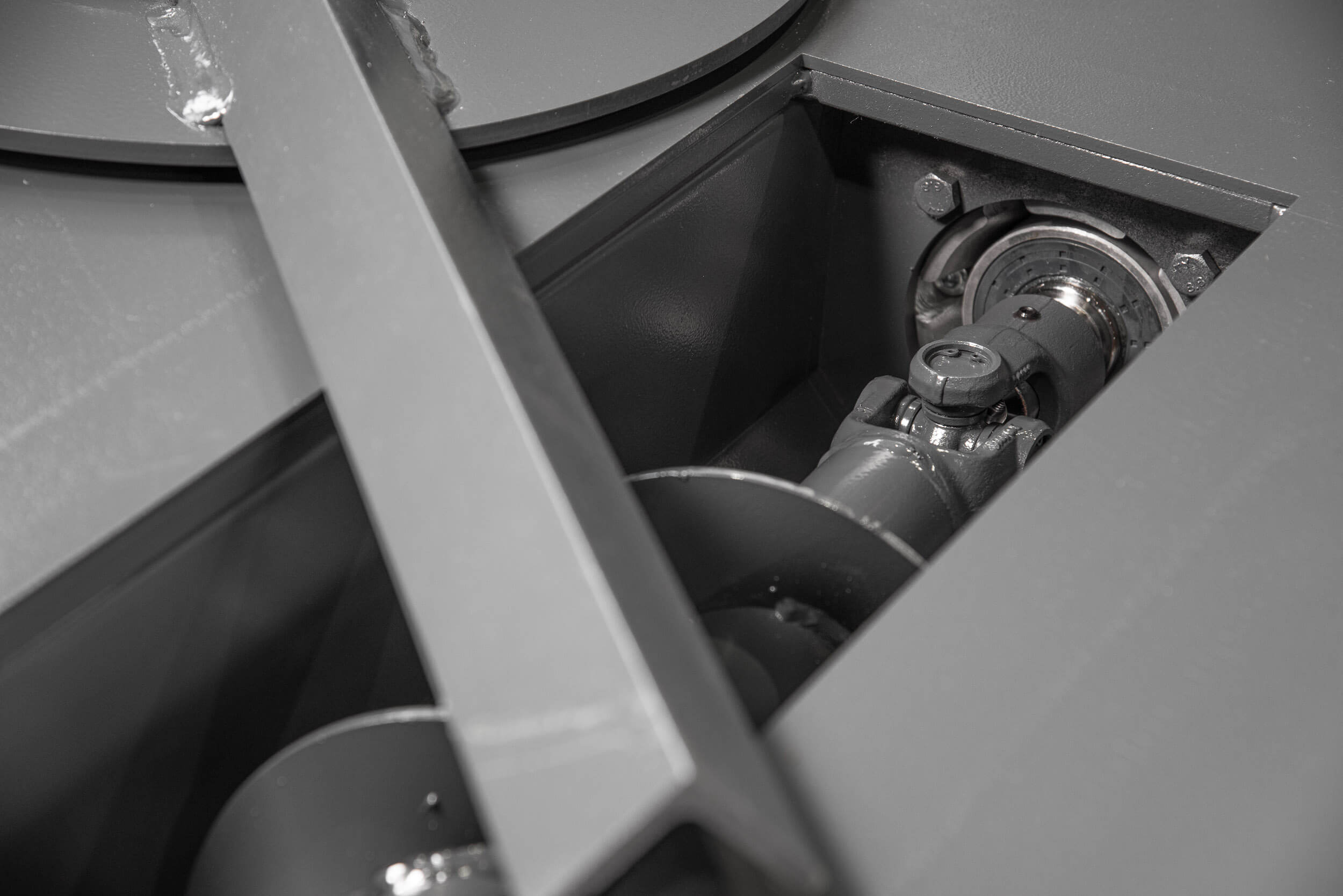
Uniform material feed into the screw conveyor
The agitator fitted to the bottom of the feed hopper ensures a constant supply of material to the screw conveyor. The continuous mixing of the material also prevents bridging and breaks up lumps.

Simple machine operation with a high-quality Siemens PLC
No frills – just the essentials at a glance. The built-in Siemens PLC is perfectly tailored to the briquetting process. Various settings can be easily adjusted to suit the required application. All control cabinets are designed in-house and built at our German production facilities using standardised components that meet international standards.

Minimal wear in the press chamber thanks to the press chamber wear bushing
WEIMA’s press chamber wear liners are case-hardened as standard. They are also available in tool steel as an option. In both cases, increased wear of the press chamber is effectively prevented – particularly with abrasive materials containing sand, soil or metal shavings. Instead of replacing the entire press block when wear occurs, only the significantly cheaper press chamber needs to be replaced. This saves labour, time and costs – and maintenance is made considerably easier.

Low-maintenance hydraulic cylinders for optimised processes
All cylinders fitted are equipped with end-of-stroke damping and a bolted cover. This ensures easy access for maintenance or modifications.
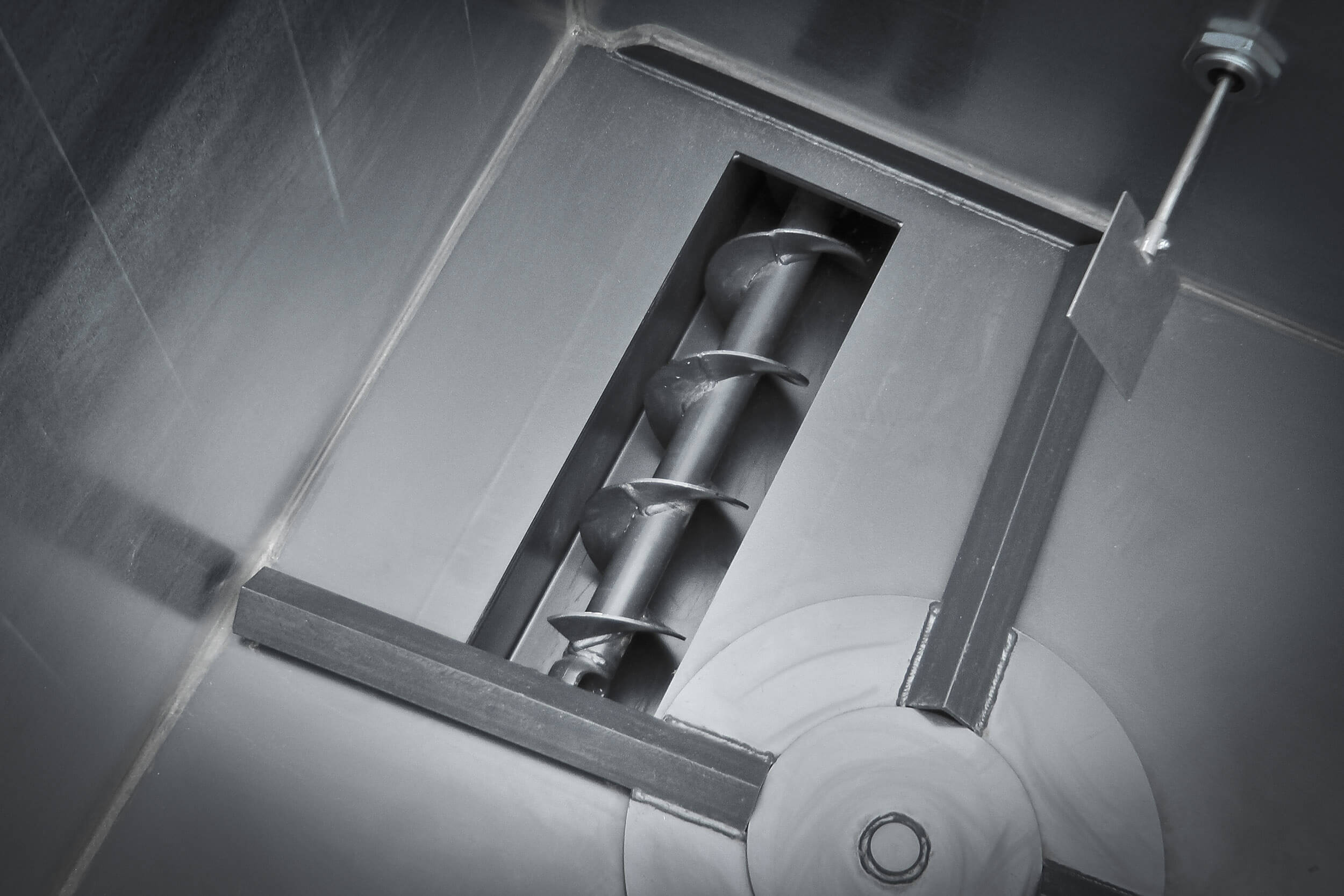
Optimised material feed via a screw conveyor
The material is fed into the pressing unit in measured quantities from the feed hopper via a screw conveyor. To this end, the precise quantity required to produce a briquette is determined electromechanically by controlling the screw’s speed and running time. Compared to conventional horizontal feeders, this effectively prevents the formation of material bridges or blockages in the feed channel.
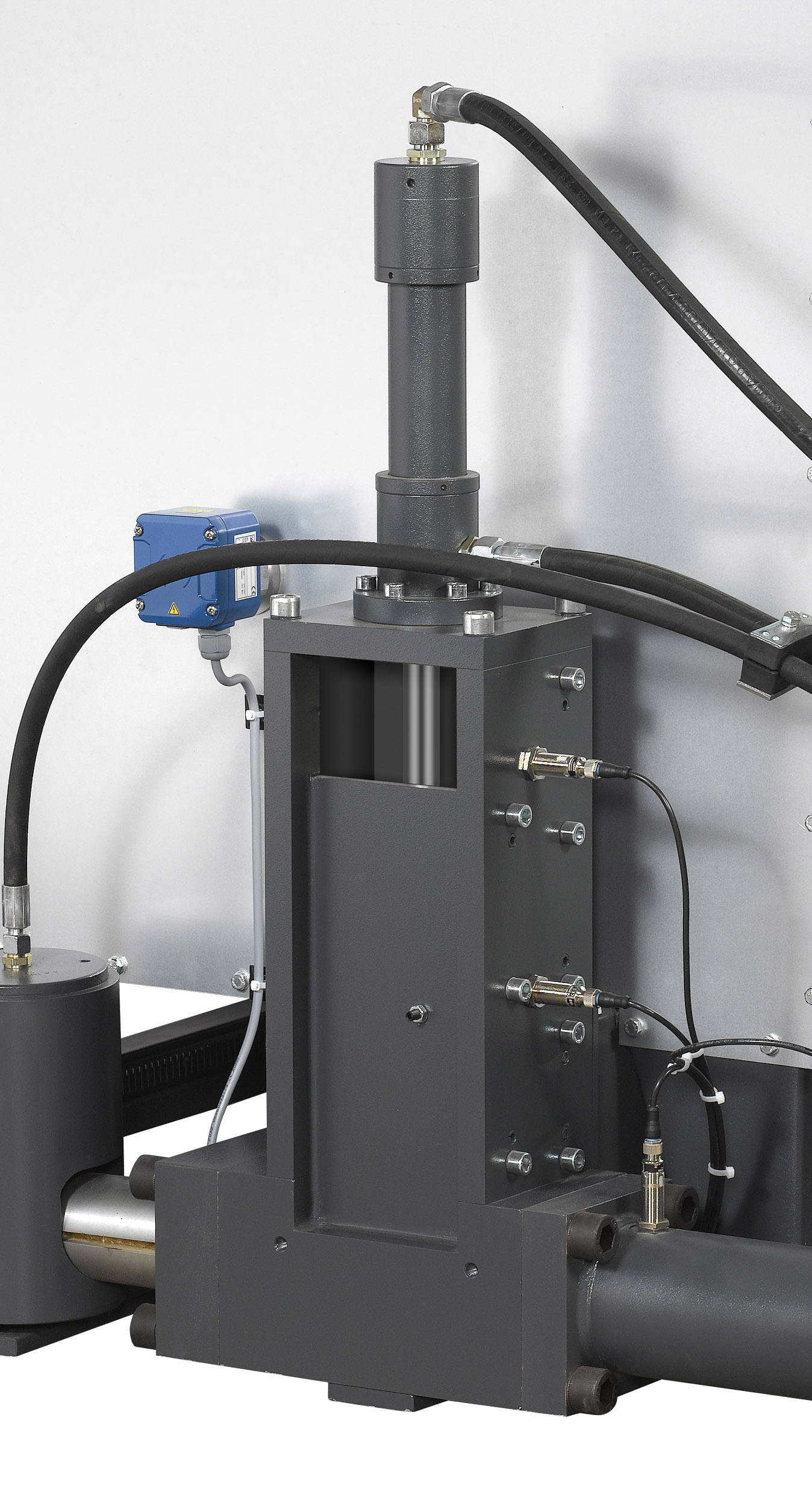
Vertical pre-compaction of material in the filling tower
The screw conveyor beneath the feed hopper transports a specific quantity of material into the filling tower. Vertical pre-compaction takes place there, with the filling slide pressing the material into the press sleeve located below. In combination with the subsequent plough-type compaction, this process produces a particularly dense briquette.
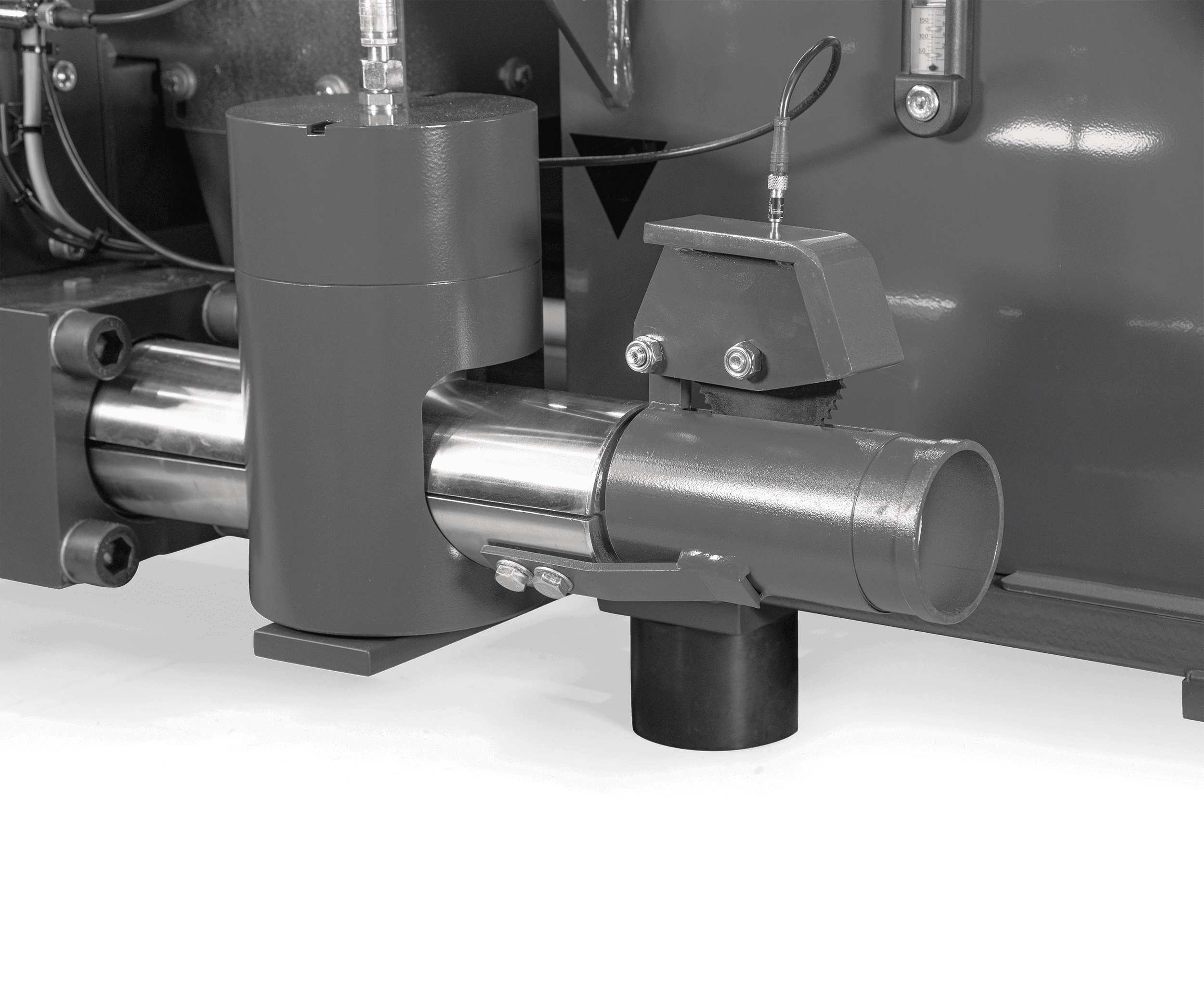
Consistent briquette lengths thanks to electromechanical monitoring
To ensure that the briquette length remains constant even when the material being processed changes, C Series briquetting presses are equipped as standard with an electromechanical briquette length monitoring system featuring a proximity switch. This is located directly in front of the tongs on the briquette discharge pipe.